
All five of the world’s largest arms companies increased their arms revenues for the first time since 2018. SIPRI noted that Europe and the United States drove most of the global growth, while Asia and Oceania saw a drop because of problems in China’s arms industry.
Many producers expanded production lines, enlarged facilities or made acquisitions to meet demand. ‘Last year global arms revenues reached the highest level ever recorded by SIPRI as producers capitalized on high demand,’ said Lorenzo Scarazzato, Researcher with the SIPRI Military Expenditure and Arms Production Programme. ‘Although companies have been building their production capacity, they still face a range of challenges that could affect costs and delivery schedules.’
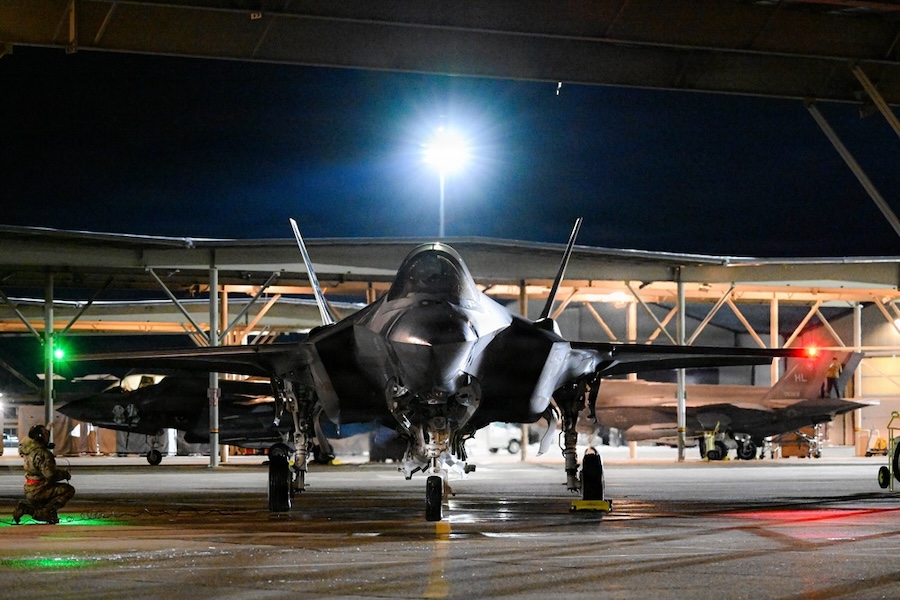
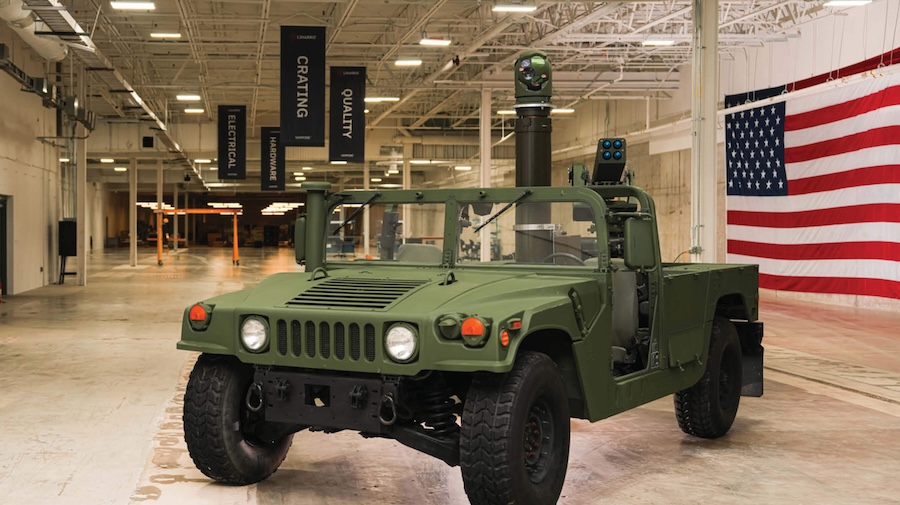
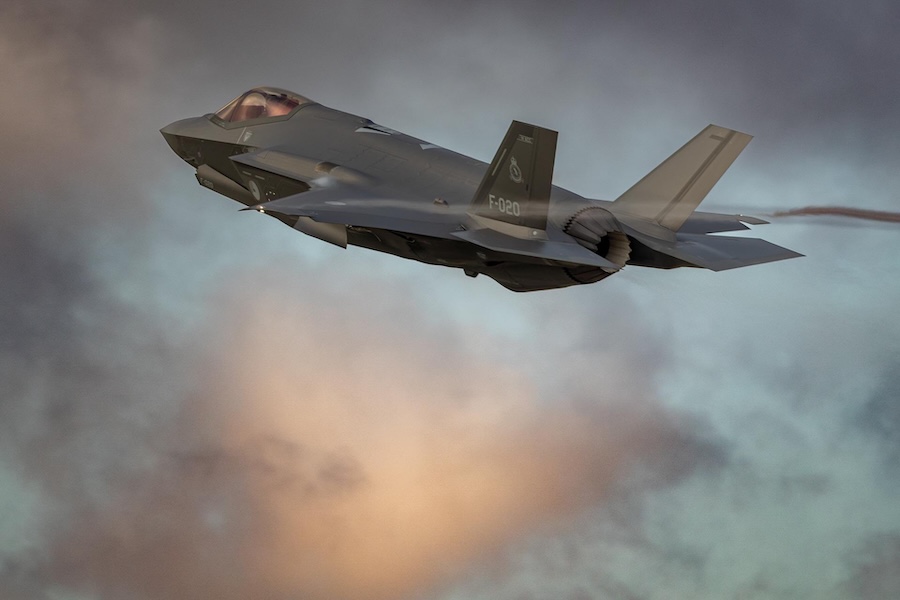
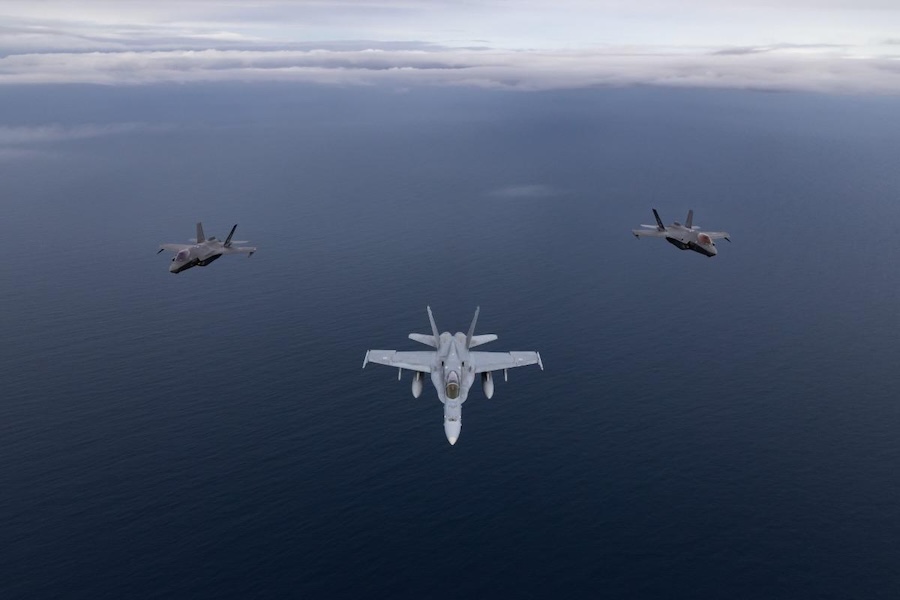
US arms companies increased their combined revenues by 3.8 per cent to 334 billion dollars, with 30 of the 39 US firms in the ranking reporting growth. However, major programmes including the F-35 aircraft, the Columbia-class submarine and the Sentinel ICBM continued to face delays and budget overruns, affecting multiple top producers.
‘The delays and rising costs will inevitably impact US military planning and military spending,’ said Xiao Liang, Researcher with the SIPRI Military Expenditure and Arms Production Programme. ‘This could have knock-on effects on the US government’s efforts to cut excessive military spending and improve budget efficiency.’ Europe recorded strong growth as 23 of its 26 companies in the Top 100 increased revenues, bringing the region’s total to 151 billion dollars.
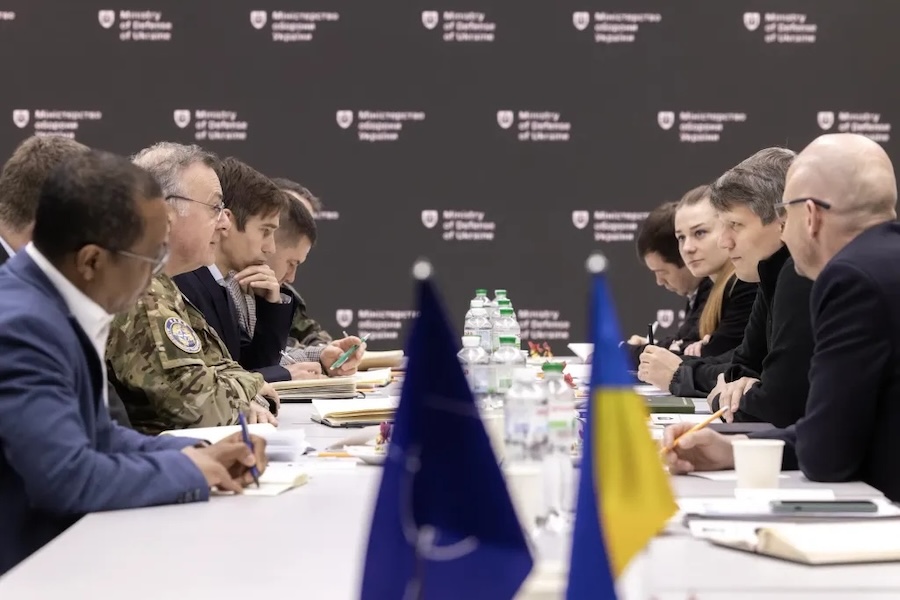
War-related demand and concerns over Russia drove the rise, with the Czech company Czechoslovak Group reporting a 193 per cent surge to 3.6 billion dollars and Ukraine’s JSC Ukrainian Defense Industry increasing revenues by 41 per cent to 3.0 billion dollars. ‘European arms companies are investing in new production capacity to meet the rising demand,’ said Jade Guiberteau Ricard, Researcher with the SIPRI Military Expenditure and Arms Production Programme. ‘But sourcing materials could pose a growing challenge. In particular, dependence on critical minerals is likely to complicate European rearmament plans.’
SIPRI highlighted supply chain risks, noting that Airbus and Safran previously sourced half of their pre-2022 titanium needs from Russia, while firms such as Thales and Rheinmetall warned of high costs linked to Chinese export restrictions. Russian producers Rostec and United Shipbuilding Corporation increased their combined revenues by 23 per cent to 31.2 billion dollars despite sanctions and shortages.
‘Besides sanctions, Russian arms companies are facing a shortage of skilled labour. This could slow production and limit innovation,’ said Diego Lopes da Silva, Senior Researcher with the SIPRI Military Expenditure and Arms Production Programme. ‘However, we need to be cautious making such predictions, as Russia’s arms industry has proved resilient during the war in Ukraine, contrary to expectations.’
Asia and Oceania saw a regional decline as Chinese arms companies recorded a combined 10 per cent fall, including a 31 per cent drop at NORINCO. ‘A host of corruption allegations in Chinese arms procurement led to major arms contracts being postponed or cancelled in 2024,’ said Nan Tian, Director of the SIPRI Military Expenditure and Arms Production Programme. ‘This deepens uncertainty around the status of China’s military modernization efforts and when new capabilities will materialize.’
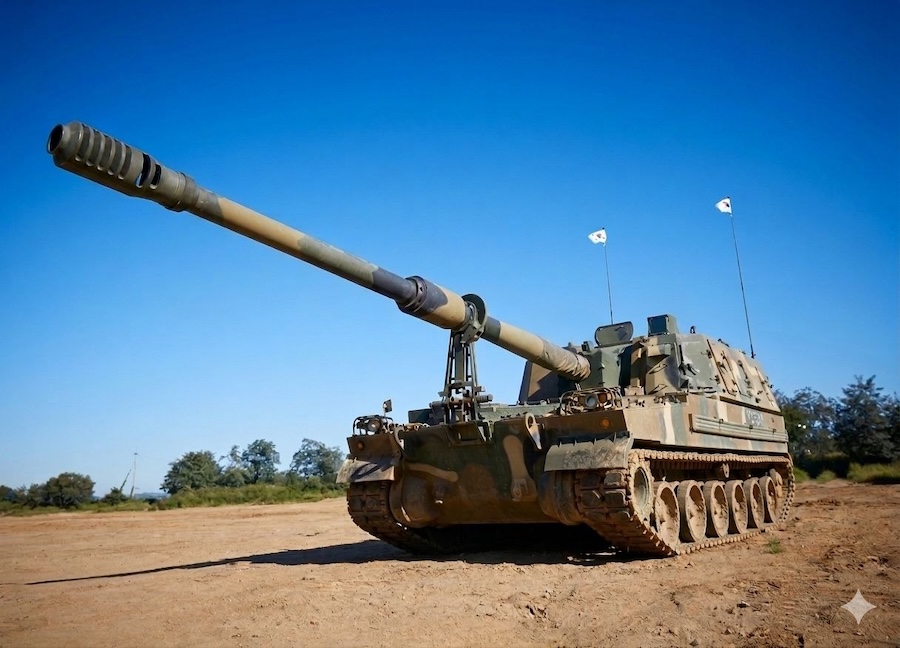
Japanese and South Korean companies went in the opposite direction as revenues grew by 40 per cent and 31 per cent respectively, driven by domestic and European orders. South Korea’s Hanwha Group reported a 42 per cent rise, with more than half of its arms revenues coming from exports.
A record nine Middle Eastern companies entered the Top 100 with combined revenues of 31.0 billion dollars, including a 16 per cent rise among Israeli producers. ‘The growing backlash over Israel’s actions in Gaza seems to have had little impact on interest in Israeli weapons,’ said Zubaida Karim, Researcher with the SIPRI Military Expenditure and Arms Production Programme. ‘Many countries continued to place new orders with Israeli companies in 2024.’
Turkey had five companies in the ranking with 10.1 billion dollars in combined revenues, while the UAE’s EDGE Group reported 4.7 billion dollars. SIPRI also noted rises in India and Germany, SpaceX’s first appearance in the Top 100 after its arms revenues doubled to 1.8 billion dollars, and the first-time inclusion of Indonesia’s DEFEND ID following a 39 per cent increase to 1.1 billion dollars.
Source: SIPRI.