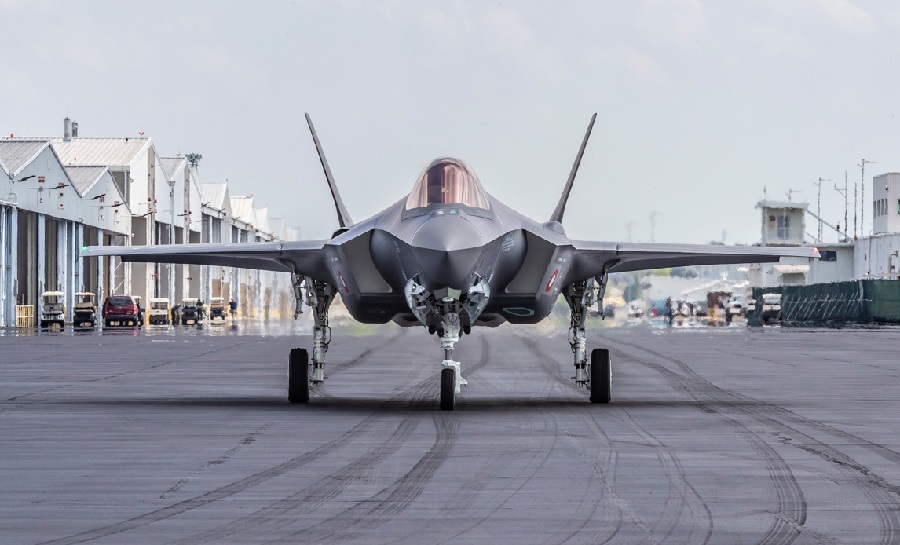

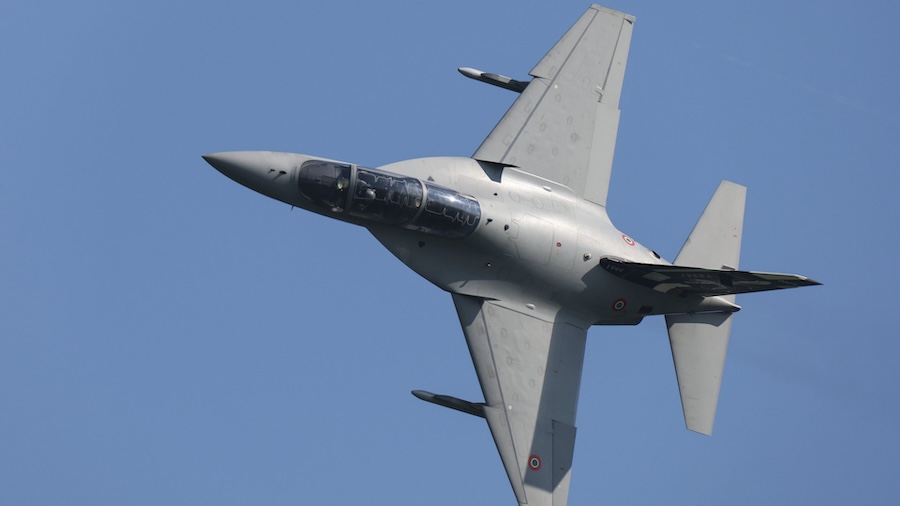
The acquisition allows the armed forces to implement the long planned two fleet strategy for the first time. It combines Eurofighter aircraft for airspace surveillance with a lighter system for training, lower intensity missions and support for the high end fleet.
Pilot training will return fully to Austria after several years abroad in Italy and Germany. The shift is expected to increase availability, reduce long term costs and strengthen operational sovereignty.
Defence Minister Klaudia Tanner and Economy Minister Wolfgang Hattmannsdorfer view the purchase both as a security measure and an industrial stimulus. The jet trainer raises operational readiness while supporting domestic economic activity.
An industrial agreement with Italy, concluded in parallel with the purchase, is expected to generate about 400 million euros in Austrian orders. Planned projects span aviation technology, supply chain industries, digitalisation and research fields including materials, simulation and sensor technology.
The agreement is structured to protect Austrian security interests while remaining compliant with EU law. Firms that offer the best technical solutions are intended to benefit.
The government aims to return as much public investment as possible into domestic value creation. Industrial cooperation is intended to strengthen technological sovereignty, stabilise supply chains and secure employment.
Investments in security related technologies are expected to support research, development and supplier industries beyond the military sector. The agreement follows models used in other EU states with comparable industrial structures and seeks to integrate Austrian companies effectively.
Economy Minister Hattmannsdorfer emphasises that “with the cooperation, an investment volume of around 400 million euros returns to Austria. This strengthens industry, enables new research projects and secures jobs.”
Defence Minister Tanner highlights that “the M-346FA is an asset both as an operational platform and as a training aircraft. The government to government approach guarantees transparency, and the procurement is a central component of the 2032+ development plan.”
Austria’s security and defence industry already plays a significant role in the national economy, employing around 11,000 people directly and about 20,000 in supplier companies. The sector generates roughly 3.3 billion euros annually, with about 150 active firms and a research rate of 7.5 percent.
Recent projects reflect the breadth of domestic value creation. More than 90 percent of barracks modernisation work flows to regional firms, and the Pandur procurement achieved over 70 percent Austrian value creation.
Source: Austrian Armed Forces (press release).