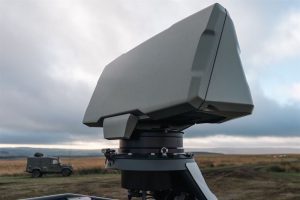
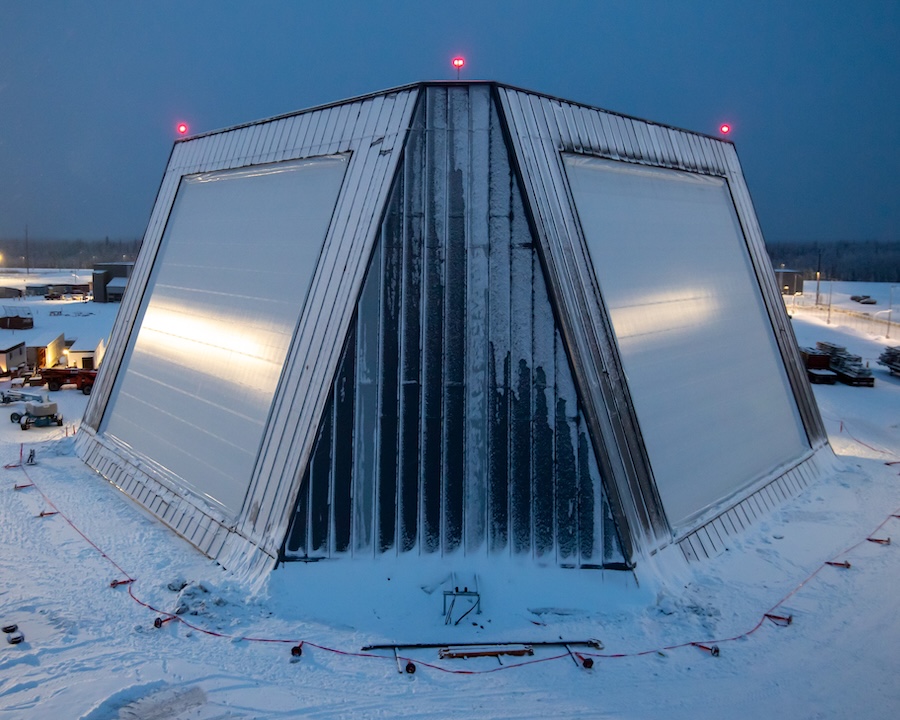
The Missile Defense Agency (MDA) concluded LRDR’s operational trial that same day, clearing the radar for CFC’s use at Clear Space Force Station in Alaska. The system combines solid-state radar technology with ballistic missile defence algorithms to support both missile warning and Space Domain Awareness, though only the missile warning element has been accepted so far, with SDA trials still to follow.
Engineered for precision discrimination, the radar can separate lethal from non-lethal objects in crowded operating conditions. It increases the chances of successful interception by searching, tracking and distinguishing multiple long-range threats at once, and by providing detailed track, discrimination and hit assessment data to the Ground-Based Midcourse Defense Fire Control System.
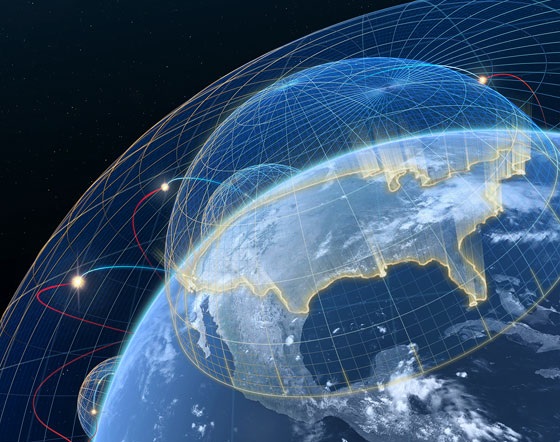
The LRDR’s design supports a wide field of view and multiple missions, aided by advanced radar technology that improves performance, efficiency and reliability. Its adaptable architecture allows future upgrades without major modification, while continuous threat monitoring keeps the system operational even during maintenance.
“LRDR’s precision reliability enhances the efficiency of U.S. missile intercept capabilities by quickly and accurately detecting missile threats at extended ranges,” said Col. Jared Hoffman, assistant deputy commander for CFC’s Operations, Plans, Training and Force Development. “This operational acceptance signifies a critical milestone in bolstering U.S. national security and missile warning, tracking and targeting capabilities, and I am incredibly honoured to be working alongside the talented men and women who will be maintaining and operating this critical radar.”
Under the long-term arrangement, the MDA will continue to fund research, development, testing, evaluation and major upgrades, while CFC will handle operations, routine maintenance and support equipment sustainment. The 13th Space Warning Squadron at Clear SFS will maintain the radar, and daily operations will be carried out by the 7th Space Warning Squadron through remotely located contract operators at Beale Air Force Base and Cheyenne Mountain, using the C2BMC sensor manager.
The 7th Space Warning Squadron will operate the radar alongside US Space Command in support of US Northern Command’s homeland defence mission. This arrangement is intended to help protect the United States and its allies by strengthening early warning and tracking capabilities against missile threats.
Mission Delta 4, based at Buckley Space Force Base in Colorado, oversees strategic and theatre missile warning through three constellations of overhead persistent infrared satellites and two types of ground-based radars. It provides cueing to missile defence forces, delivers battlespace awareness to commanders, manages weapon system architectures and ensures operations remain intelligence-led, cyber-resilient and focused on innovation.