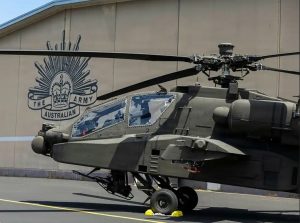


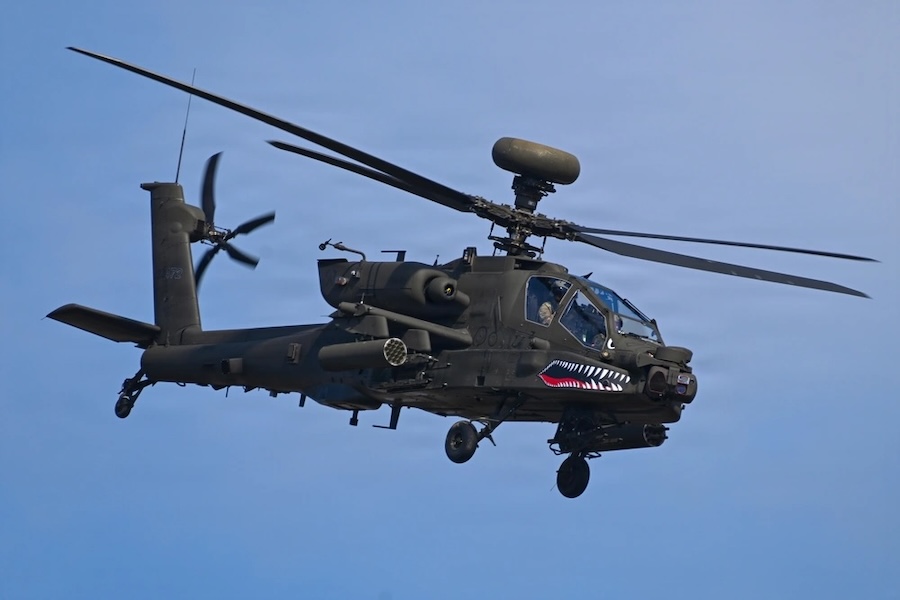
The exercise marked the first time in the European theater that the Apache has been employed as a counter-unmanned aerial system platform. The demonstration highlights the growing need to adapt rotary-wing aviation to evolving battlefield threats.
The AH-64E Apache’s speed and agility allow it to intercept aerial threats that may evade traditional defenses. With a maximum speed exceeding 180 miles per hour, the platform offers a flexible option for countering drones in contested environments.
The activity forms part of the Eastern Flank Deterrence Initiative, which aims to strengthen NATO cooperation against emerging threats. The 12th Combat Aviation Brigade regularly trains with allied forces, including the United Kingdom, the Netherlands, and Poland, to enhance interoperability.
“Most pilots in our unit and across the Army have never engaged in air-to-air with the Apache, so this is a new engagement profile for us that we have to develop tactics, techniques, and procedures for,” said Maj. Daniel Murphy, operations officer for the 2-159th Attack Battalion.
“We’re looking forward to sharing what we learn so we can continue developing the EFDI alongside our NATO Allies,” he added. The lessons learned are expected to support broader adoption of counter-drone tactics among allied aviation units.
The exercise also reflects Poland’s growing role as a major Apache operator, as it prepares to become the second-largest user of the platform globally. Developing this capability now is intended to provide a framework for future joint operations across Europe.
Officials emphasized that attack aviation remains a key component of the U.S. defense posture in Europe. The 12th Combat Aviation Brigade continues to provide a ready force capable of projecting combat power and supporting deterrence efforts across the region.