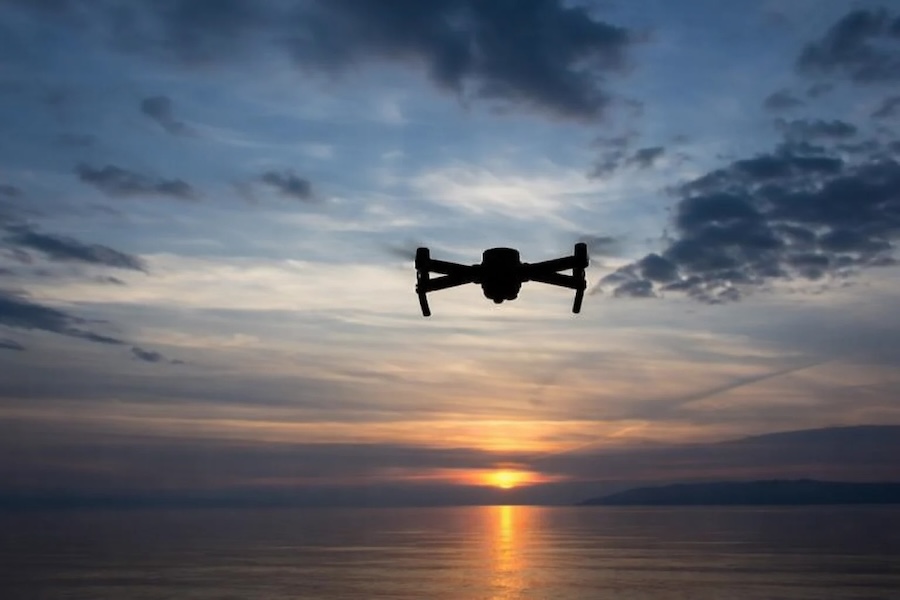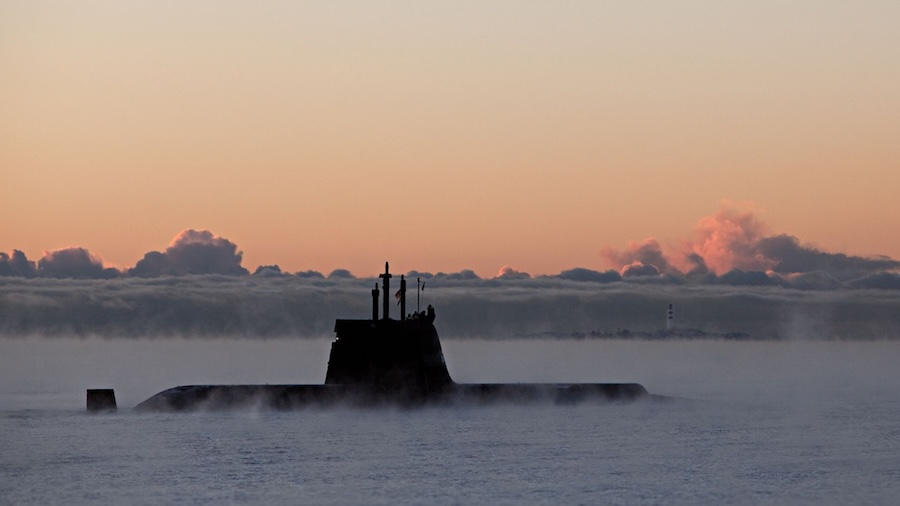


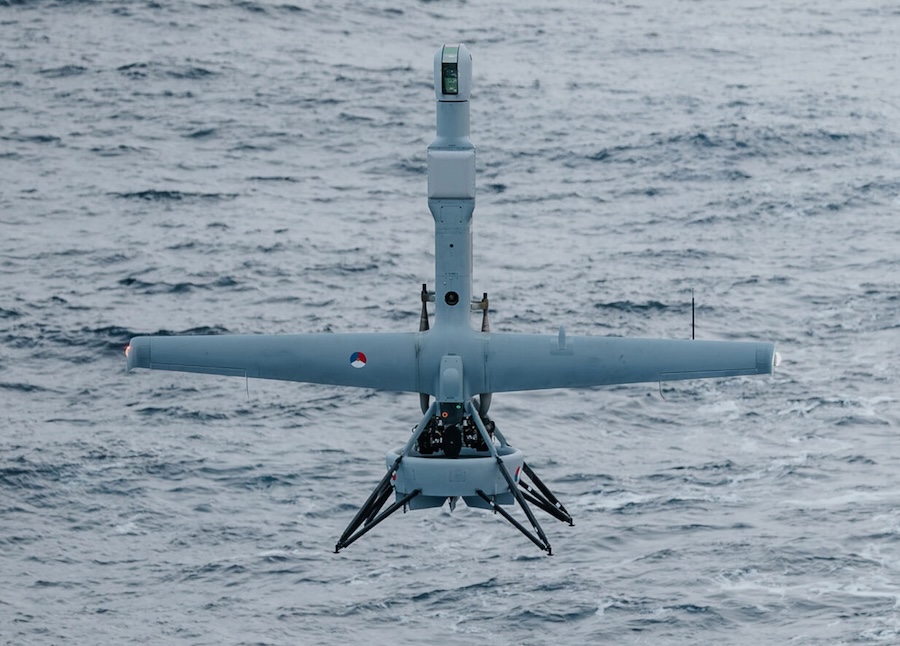
The Navy plans to acquire 12 V-BAT systems, with eight vessels set to be equipped to support their operations. Officials said the system will play a growing role in expanding intelligence, surveillance, reconnaissance, and targeting capabilities across a wide range of missions.
During testing, V-BAT demonstrated the ability to operate in demanding environmental conditions, including high winds and sub-zero temperatures. The system also performed missions involving real-time video transmission, allowing commanders to monitor objects at sea and assess navigation options.
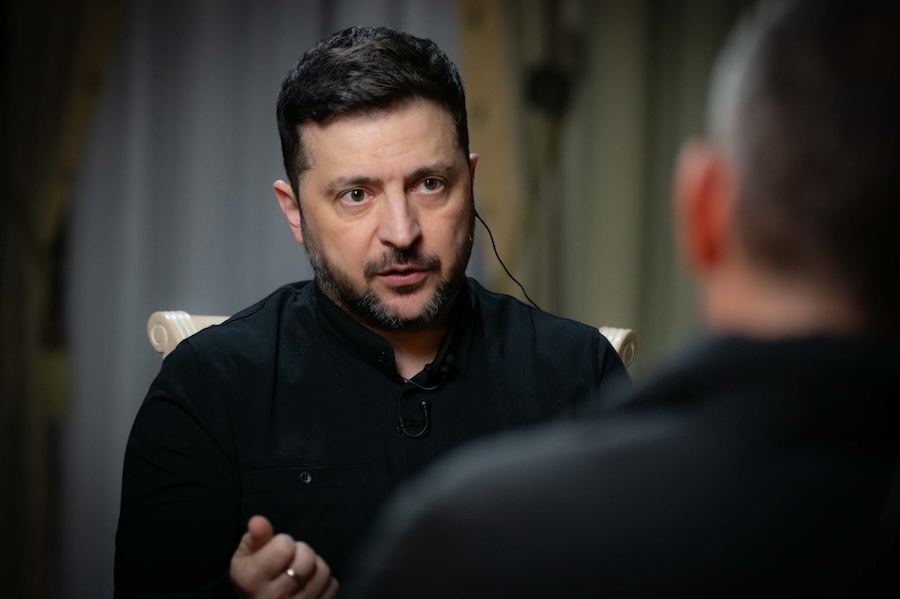
“With operations ranging from the high Arctic to the Caribbean, the Royal Netherlands Navy have mission requirements that demand the best systems to support their operations,” said Brandon Tseng.
“V-BAT has become the de facto intelligence, surveillance, reconnaissance, and targeting drone of choice by militaries worldwide because of its ability to operate reliably in these environments,” he added.
“V-BAT is also the only Group 3 through Group 5 drone with vast operational experience in contested and hostile air environments, as well as GNSS and comms denied environments,” Tseng said.
The system was tested in a variety of operational scenarios, including challenging geophysical conditions in polar regions. Its performance enabled commanders aboard the Johan de Witt to maintain situational awareness and adapt to changing operational environments.
Shield AI is continuing to work with the Dutch Ministry of Defense and its IT delivery agency, Joint Information Provision Command, to further develop V-BAT capabilities. The collaboration is intended to tailor the system for specific operational requirements of the Netherlands.
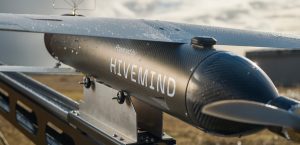
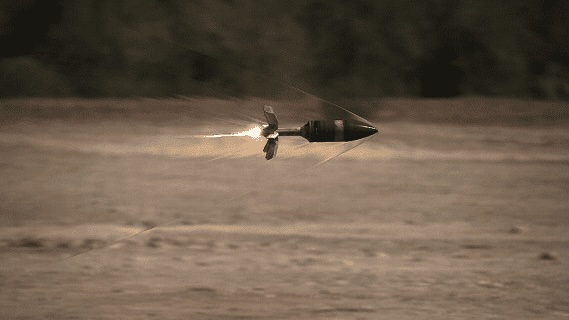
V-BAT is a vertical takeoff and landing unmanned system with a ducted-fan design and endurance exceeding 12 hours. It is designed for operations in contested environments, offering intelligence and targeting capabilities with reduced logistical requirements compared to larger drone systems.
The system’s design allows it to launch and recover without additional infrastructure, including from ship decks and confined environments. Its heavy-fuel engine and enclosed rotor contribute to operational flexibility and safety across diverse mission profiles.
Shield AI said its technology is already deployed globally and supports a range of military operations. The introduction of V-BAT into Dutch naval service reflects broader trends toward integrating autonomous systems into maritime operations.