


The budget includes $1.1 trillion in base discretionary spending and $350 billion for what the administration describes as critical priorities. These include expanding the defense industrial base, increasing access to munitions and supporting advanced military capabilities.
Part of the funding would be passed through budget reconciliation, relying on Republican support. To offset the increase, the proposal includes a $73 billion reduction in non-defense spending.
The request is separate from a $200 billion supplemental budget linked to ongoing U.S. military operations against Iran. Officials said the defense budget would also replenish weapons stockpiles that have been depleted during those operations.
A central element of the proposal is funding for the “Golden Dome” missile defense system. The system, inspired by Israel’s Iron Dome, is projected to cost $185 billion, with $25 billion already approved by Congress.
Additional space-based capabilities are expected to support the project. Space Force General Michael Guetlein previously said the system is now expected to be completed by 2035, reflecting a delay from earlier projections.
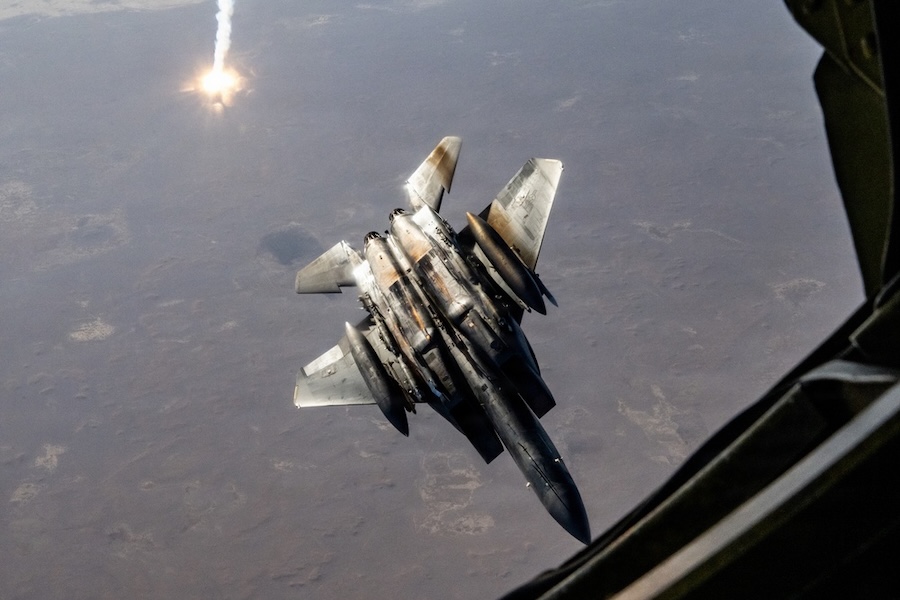
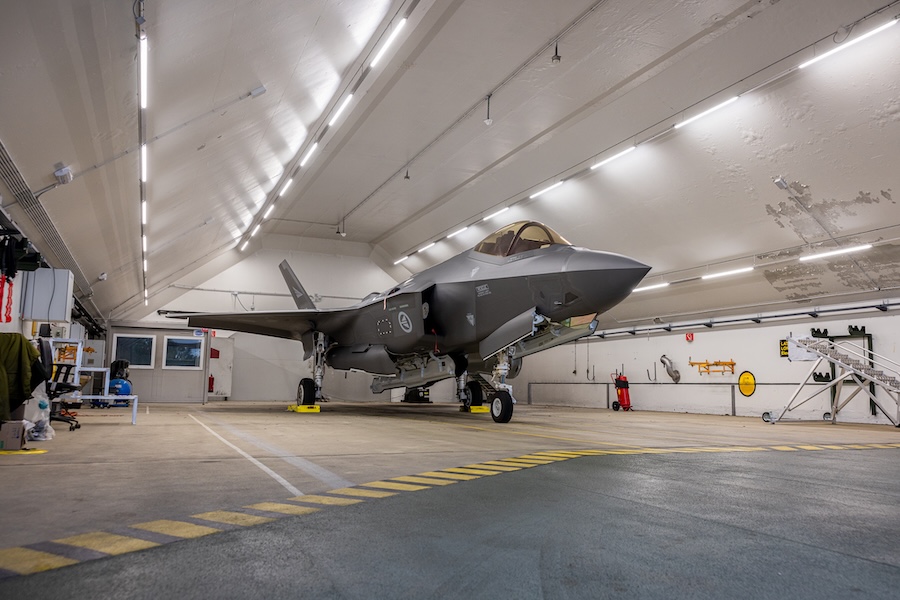
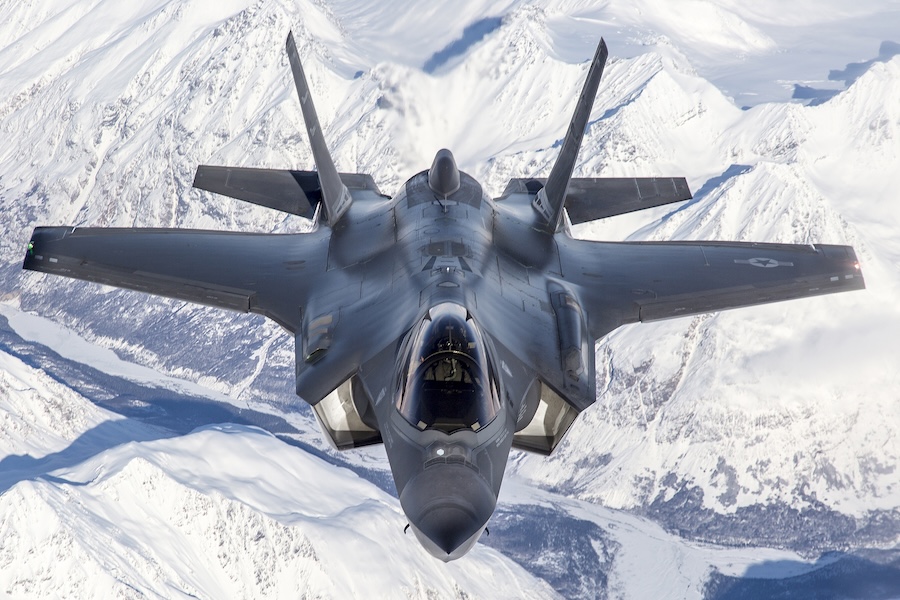
The budget also emphasises development of the F-47 sixth-generation fighter aircraft. The administration said the programme is intended to secure air dominance and expand U.S. global operational reach.
“The Administration is sending a clear message to the Nation’s adversaries by aggressively moving forward with the F-47 sixth-generation fighter: that the U.S. military will secure command of the skies, deter aggression, and project power anywhere on the globe,” the White House said in the proposal. “The 2027 request continues to prioritize the rapid development and production of the F-47, and would achieve a first flight in 2028.”
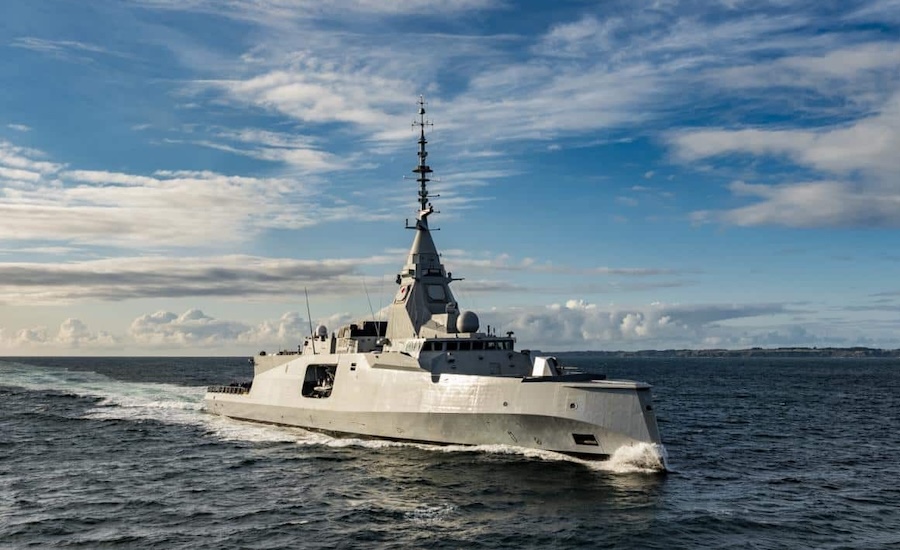
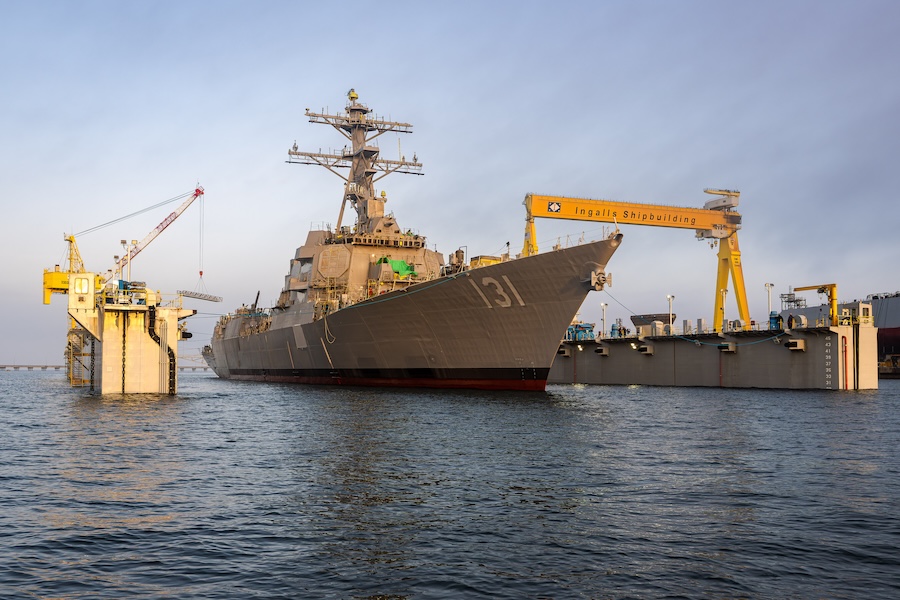
The proposal includes $65.8 billion for shipbuilding to expand naval capabilities. This funding supports the development of a “Golden Fleet,” including new vessels referred to as Trump-class battleships.
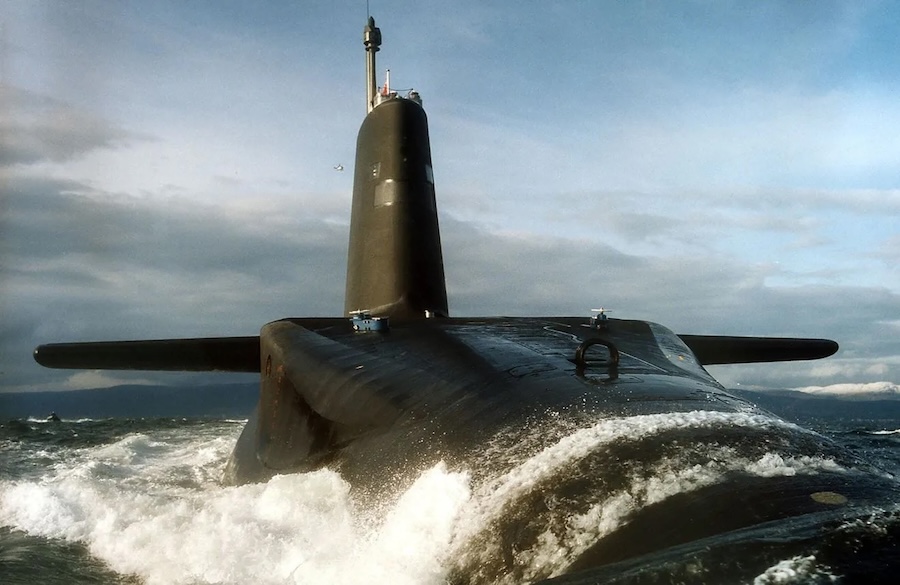
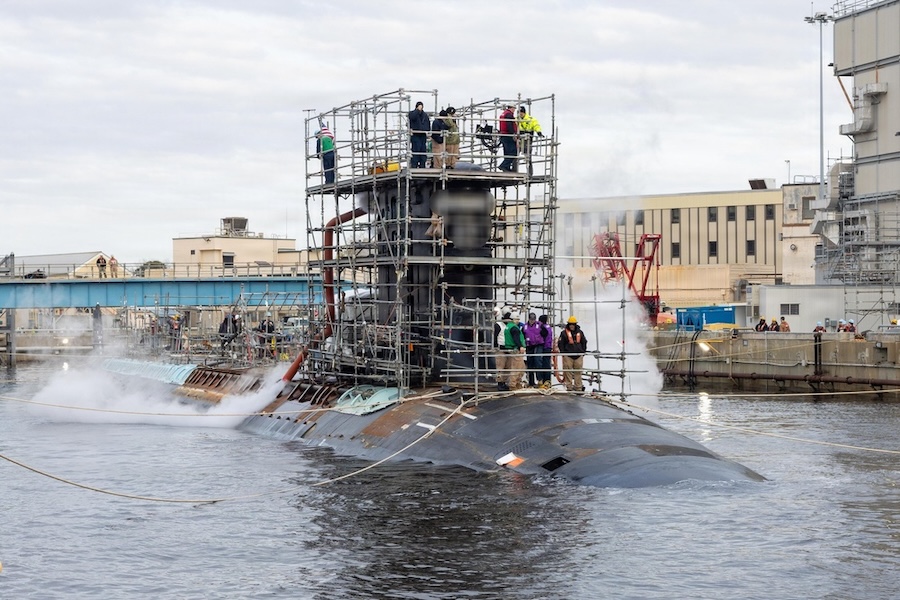
The plan calls for procuring 18 battle force ships and 16 non-battle vessels. It also maintains or increases procurement of existing platforms, including amphibious ships and Columbia-class and Virginia-class submarines.
The administration said the strategy aligns with efforts to strengthen U.S. naval capacity in response to China’s growing maritime capabilities. Congress approved $27.2 billion for shipbuilding in 2026, a $6.3 billion increase from the previous year.
The budget also prioritises domestic production of critical minerals. It builds on a March 2025 executive order aimed at increasing U.S. output of materials such as uranium, copper, potash and gold.
“These investments would support the creation of American jobs, reduce America’s reliance on foreign mineral production, and secure a predictable, affordable supply of minerals integral to the next generation of defense technology,” the administration said in the budget proposal.
Officials said the initiative is intended to address shortages in the National Defense Stockpile. The administration added that it would enable what it described as transformative investments in the U.S. critical minerals industry.