The additional funding will be provided through to 2036, with NOK 31 billion allocated by 2030. The government also plans to extend the planning period of the defence strategy to 2040, expanding it from its original timeframe.
Prime Minister Jonas Gahr Støre said the decision reflects a deteriorating global security environment. “Since we presented the Long-term Defence Plan, the world has become more unstable and the security landscape more complex. We are now taking steps to adjust the plan to ensure more effective development of our defence capabilities in a more uncertain world.”
He added that rising costs and lessons from ongoing conflicts have influenced the decision. “The cost of defence equipment has increased and the war in Ukraine has given us new insights. We are therefore allocating a significant increase in resources to the long-term plan, while also carefully weighing the priorities needed to rapidly strengthen Norway’s defence capabilities.”
[adrotate group=”17″
The revised plan will prioritise accelerated development of the Finnmark Brigade and increased investment in munitions and supply security. It will also bring forward procurement of submarines and the acquisition of the first two new frigates.
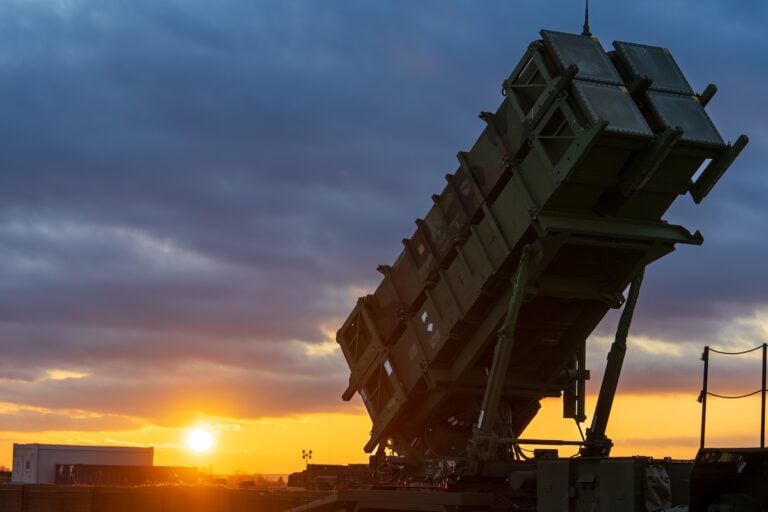
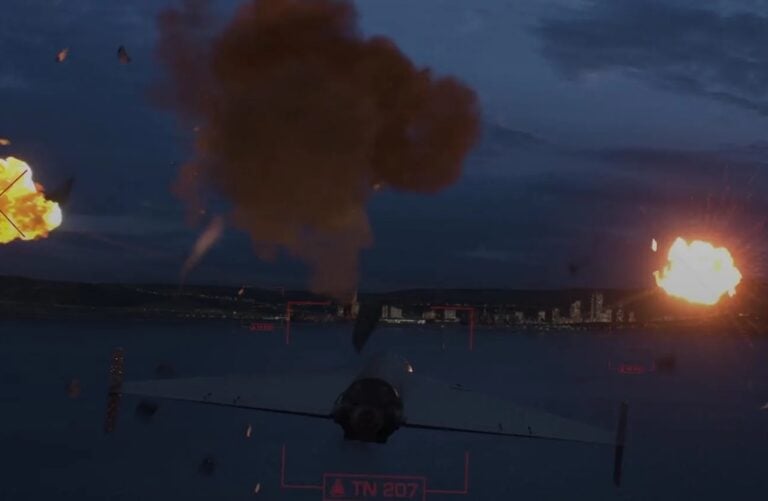
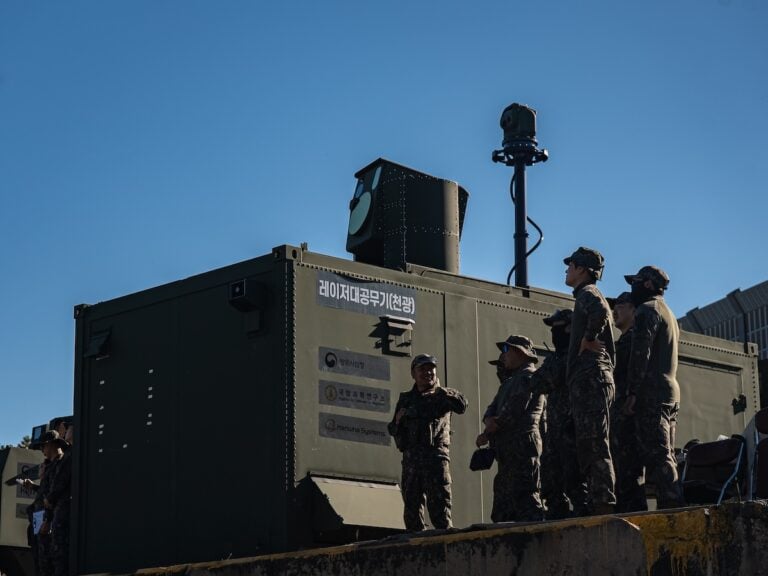
Norway aims to expand capabilities in electronic warfare, short-range air defence, drone defence and autonomous technologies. Additional investments will also be directed towards defence infrastructure and industrial production capacity.
Defence Minister Tore O. Sandvik said the changes would focus resources on key priorities while accepting trade-offs in other areas. “We are strengthening Norway’s defence capabilities. We will be starting the most concentrated investments in submarines and frigates earlier, and we are accelerating the development of the Finnmark Brigade.”
He added that prioritisation could affect other parts of the programme. “We are identifying what is most important and giving this priority, which will lead to delays and reductions in other areas set out in the plan. We are hoping the parties in the Storting will achieve broad political agreement on continuing to strengthen the Armed Forces in these turbulent times for global security.”
The government said the adjustments reflect the most serious security situation Norway has faced since the Second World War, citing conflicts in Europe and the Middle East. Officials also pointed to the long-term impact of the war in Ukraine on regional security dynamics.
“The outcome of the war in Ukraine will have an impact on European security for a long time to come. When the war ends, we must be prepared for Russia to further strengthen its military presence in our neighbourhood,” Støre said.
[adrotate group=”17″
Sandvik said technological developments are also shaping defence priorities. “The war in Ukraine has shown us how new technology is changing the way we conduct military operations. That is why we are investing more in new technology, electronic warfare, and space-based communication.”
The government also emphasised the importance of cooperation with allies, including agreements with the United Kingdom and Germany and ongoing talks with France. Norway is seeking to strengthen regional integration, particularly within the Nordic defence framework.
“Closer cooperation with our neighbouring countries strengthens our operational capability and our industrial capacity. It enhances our deterrence capabilities and strengthens our collective military power. More binding cooperation will also promote an increased Allied presence in areas that are important to us, particularly the Arctic,” Støre said.
Source: Norwegian Ministry of Defence.