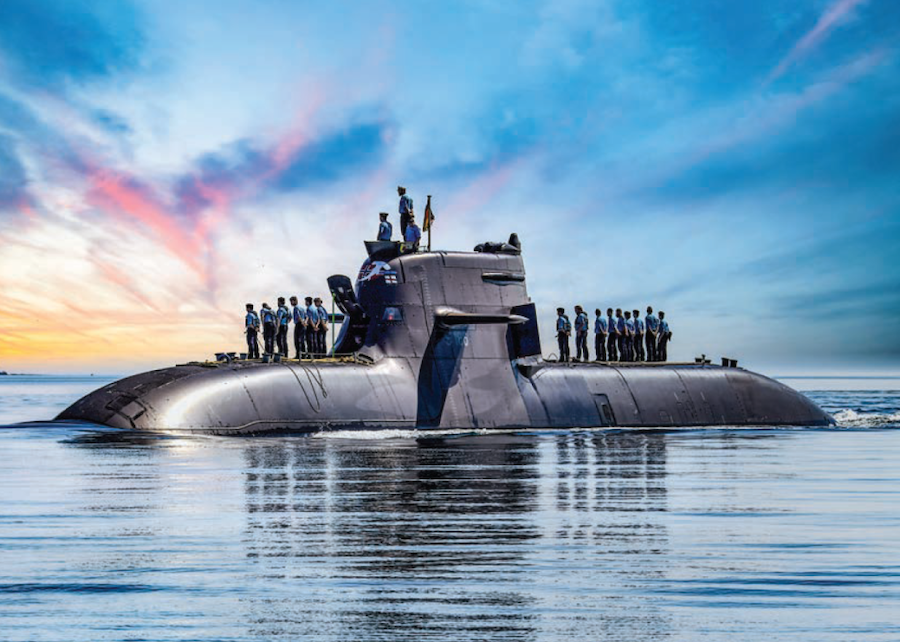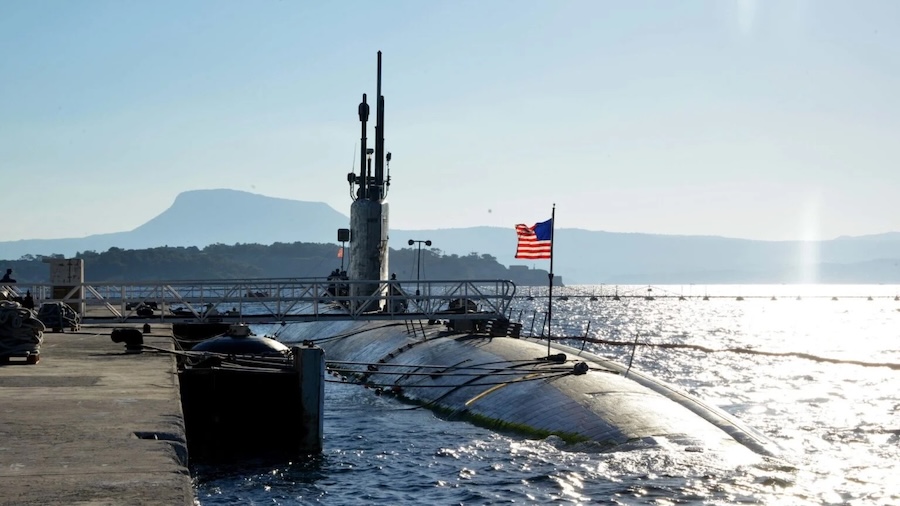
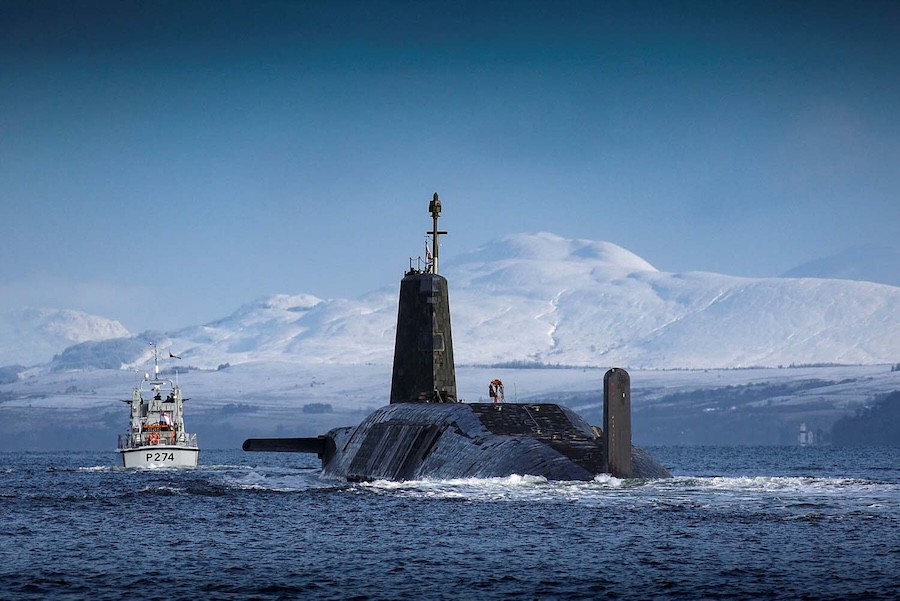
USS Boise, one of the younger submarines in its class, had been awaiting a scheduled overhaul since fiscal year 2016. During this period, the submarine spent extended time pierside and lost its dive certification in 2017.
The vessel was moved multiple times between shipyards before repairs began. It was eventually assigned to HII Newport News Shipbuilding, where work was formally contracted in 2024.
The Navy has invested approximately $1.6 billion in the submarine’s repair efforts. Officials determined that continuing the overhaul would not be cost-effective compared with other priorities.
Adm. Daryl Caudle, Chief of Naval Operations, said the decision was necessary to support broader fleet goals. “After a rigorous, data-driven analysis, we’ve made the tough but necessary decision to inactivate the USS Boise,” he said.
“This strategic move allows us to reallocate America’s highly-skilled workforce to our highest priorities: delivering new Virginia and Columbia-class submarines and improving the readiness of the current fleet,” Caudle added. He emphasized the need to focus on future capabilities.
The Navy said funding and personnel assigned to Boise’s overhaul will be redirected. These resources will support new submarine construction and maintenance programs across the fleet.
“Funds and personnel associated with the planned overhaul of USS Boise will be redirected to support other Navy priorities, including the timely delivery of America’s submarine capability,” the Navy said in a statement. The move aligns with broader efforts to improve readiness and fleet availability.
USS Boise has become a prominent example of maintenance backlogs affecting the submarine force. Public shipyards have faced challenges related to workforce shortages and extended repair timelines.
Analyses have shown that maintenance delays have reduced operational availability. Some submarines have missed deployments or returned to service later than scheduled due to extended overhauls.
The Navy has increasingly turned to private shipyards to address these issues. Facilities operated by HII and General Dynamics Electric Boat have taken on both construction and maintenance work.
However, private yard repairs have generally been more expensive. Industry analysts note differences in workforce specialization between repair and new construction activities.
Bryan Clark of the Hudson Institute commented on the broader implications. “It’s a sad statement on the Navy industrial base,” he said.
Clark supported the decision to redirect resources toward more viable platforms. “It’s the right call,” he said, adding, “The juice isn’t worth the squeeze.”
The Navy said the inactivation reflects a shift in how resources are prioritised. Officials aim to ensure investments contribute directly to long-term readiness and fleet effectiveness.
Source: U.S. Navy.





![CENTCOM chief says U.S. forces remain ready after ‘generational’ defeat of Iran despite fragile ceasefire [VIDEO]](https://defence-industry.eu/wp-content/uploads/2026/04/centcom-chief-says-us-forces-remain-ready-after-generational-defeat-of-iran.jpeg)
![Team Lynx details XM30 infantry fighting vehicle concept as U.S. Army program nears key decision [VIDEO]](https://defence-industry.eu/wp-content/uploads/2026/04/team-lynx-details-xm30-infantry-fighting-vehicle-concept.jpeg)