

The proposed funding surge places Lockheed Martin at the center of expanded next-generation missile development. Officials said the scale of the increase reflects both growing program maturity and urgent operational priorities.
The investment is linked to efforts to maintain air superiority in contested environments. It comes amid heightened concern over the development of long-range air-to-air weapons by near-peer competitors, particularly China.
The AIM-260 is intended to succeed or complement the AIM-120 AMRAAM produced by RTX Corporation, which has served as the backbone of U.S. beyond-visual-range combat for decades. While upgraded AMRAAM variants remain in service, newer foreign systems are narrowing the capability gap.
Officials describe the AIM-260 as a next-generation solution designed to extend engagement ranges and improve combat effectiveness. The missile is expected to allow U.S. aircraft to engage threats earlier, before entering adversary weapon envelopes.
Estimates suggest the system will achieve significantly greater range than current missiles, potentially exceeding 200 kilometers. This extended reach is intended to provide a tactical advantage in air combat scenarios.
A major technical enhancement lies in the propulsion system. The missile is expected to incorporate advanced propulsion technology that maintains thrust over longer distances, improving both range and maneuverability.
This capability increases the missile’s effectiveness against agile targets. It also expands the so-called no-escape zone, reducing the likelihood that adversaries can evade interception.
The AIM-260 is also expected to feature an upgraded guidance system. Improvements may include enhanced resistance to electronic interference and greater precision in tracking targets.
Such capabilities are considered essential in modern combat environments where electronic warfare plays a central role. They are intended to ensure reliable performance even under heavy jamming conditions.
The missile is being developed for integration into networked combat systems. It will be capable of receiving targeting data from multiple platforms, enabling coordinated engagements.
This approach allows aircraft to launch weapons based on information from external sensors. It reduces the need for continuous radar contact and increases survivability for pilots.
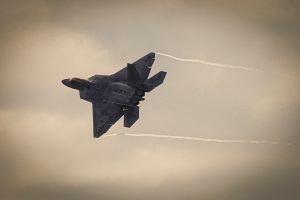
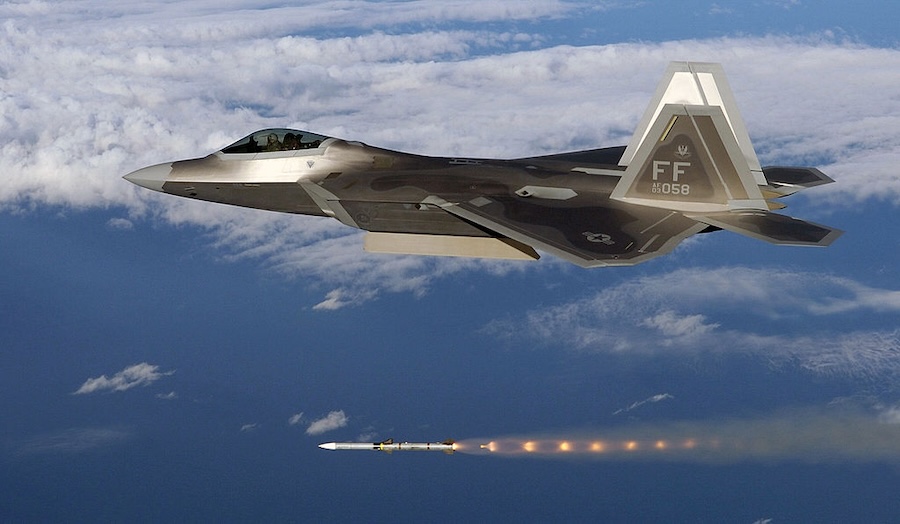
Despite these advancements, the AIM-260 is designed to match the physical dimensions of the AIM-120. This ensures compatibility with existing platforms, including stealth aircraft such as the F-22 and F-35.
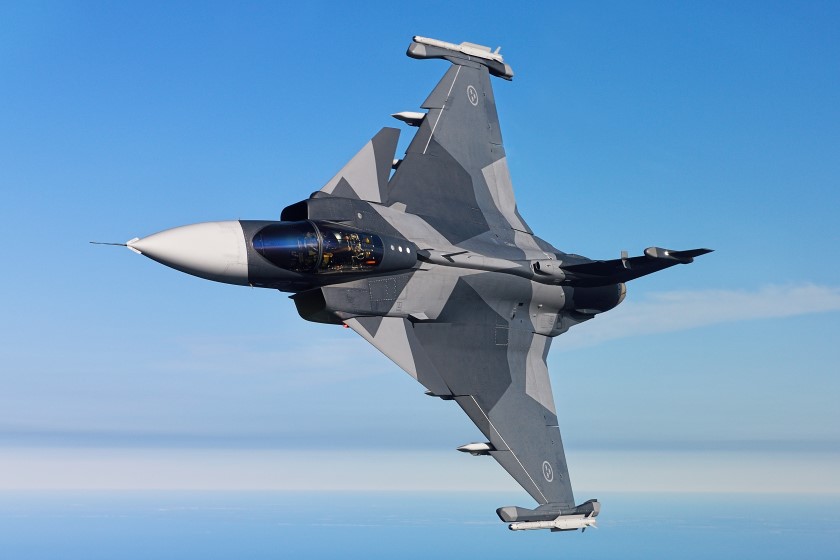
The missile is also expected to be deployed across additional aircraft, including the F-16 and F-15. This broad integration would extend its use across both U.S. and allied forces.
The Pentagon has already indicated potential international interest in the system. A previously disclosed $3.1 billion agreement to supply missiles to Australia suggests early adoption by allies.
Charles Brown, former Air Force Chief of Staff, said the missile could also be used on Collaborative Combat Aircraft. This points to a possible role in future unmanned operations.
Officials said the AIM-260 will be capable of engaging a wider range of targets. These include not only fighter aircraft but also cruise missiles, airborne surveillance platforms and unmanned systems.
The program is seen as a key step in advancing U.S. missile technology. It also reinforces Lockheed Martin’s position in the sector as the Pentagon prioritizes next-generation capabilities.
The proposed funding increase highlights a broader strategic focus on air dominance. Officials said the AIM-260 is expected to play a central role in shaping future combat operations and deterrence.