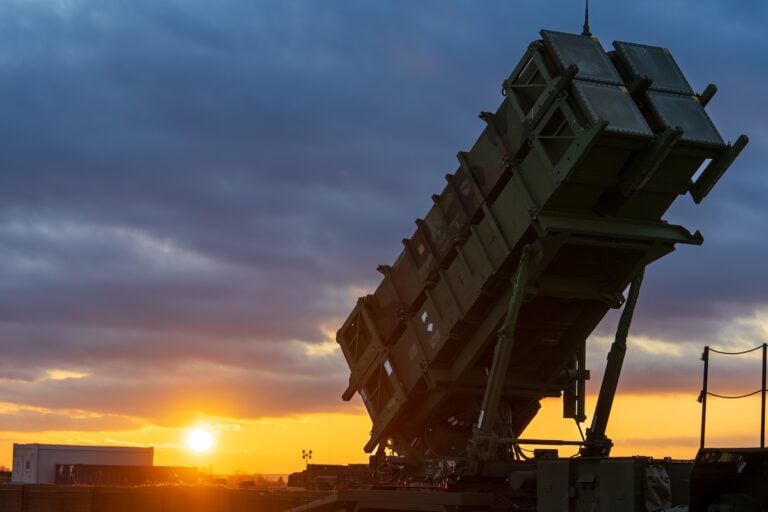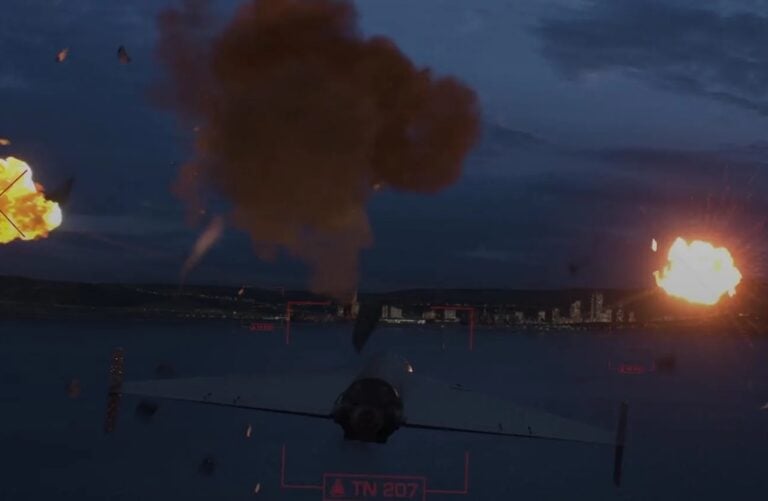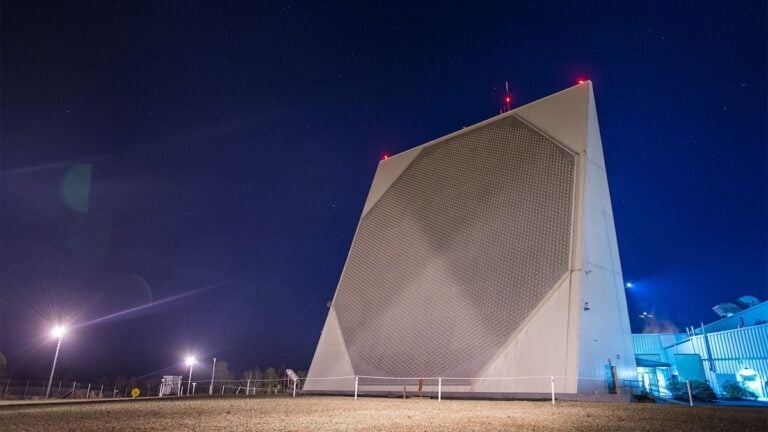
Air defence, radar and electronic warfare systems were among the main contributors to revenue during the first six months of 2026. Naval systems, electro-optics, guided munitions and artificial intelligence-powered urban security technologies also supported growth.
“2025 had gone down in the records as the year in which ASELSAN achieved the strongest financial performance in its history. The results we achieved in the first half of 2026, however, show that we have carried this success even further,” Chief Executive Ahmet Akyol said.
ASELSAN’s earnings before interest, tax, depreciation and amortisation rose 31% to TL23.2 billion. Its EBITDA margin increased by 120 basis points to 26.3%, reflecting operational efficiency measures and a greater focus on high-technology products.
The company’s net debt-to-EBITDA ratio declined to 0.55 from 0.57 a year earlier despite the increase in investment. Revenue per employee rose by 3% in US dollar terms, while return on equity increased to 15.5% from 11.9%.
ASELSAN raised research and development expenditure by 41% to $804 million during the period. Investment in serial production and capacity expansion increased by 195% to $323 million.
“In the first half of the year, we increased our R&D expenditures by 41% to USD 804 million, and our investments for serial production and capacity expansion by 195% to USD 323 million. We commissioned the Additional Production and Test Centers for Smart Munitions, Air Defense and Underwater Systems,” Akyol said.
Research spending targeted low-Earth-orbit satellite technologies, quantum computing, underwater systems and propulsion. ASELSAN also increased work on microelectronics, lasers and long-range guided munitions.
The company commissioned 17,360 square metres of production and testing space for smart munitions, air defence and underwater systems. The facilities represented an investment of $40 million and increased ASELSAN’s production and delivery capacity.
ASELSAN also strengthened automation across its air and naval defence production lines. Akyol said the company established 19 new robotic automation lines during the first six months.
“In the coming days, we will begin initial production activities at our OĞULBEY investment. This step will be one of the most valuable developments of the year for ASELSAN,” Akyol said.
Operational cash flow reached TL15.2 billion during the period, while financial liabilities represented 13.3% of total assets. ASELSAN maintained an equity ratio of 56%, as total assets grew by 8% and equity increased by 4%.
“In 2025, we exceeded the USD 20 billion threshold in backlog for the first time. We believe that from next year onward, we will see levels of USD 30 billion,” Akyol said.
ASELSAN added more than 1,000 employees during the first half of the year. About 15% of the new recruits joined the company from abroad, according to Akyol.
The company also expanded its civilian technology activities during the period. Its signalling systems were deployed on a new section of the Halkalı-Istanbul Airport Metro Line, while its Lifeline Heart-Lung Machine was used in open-heart surgery for the first time.
Akyol identified integrated air defence, radar and electronic warfare as priority areas for NATO’s future investment. He said these requirements were closely aligned with ASELSAN’s existing product portfolio and technological capabilities.
ASELSAN also entered the Forbes Global 2000 ranking for the first time. The company said it would continue expanding its high-technology portfolio, production capacity and international partnerships.