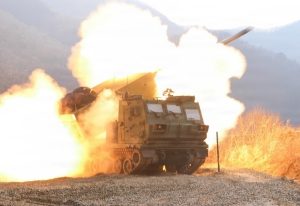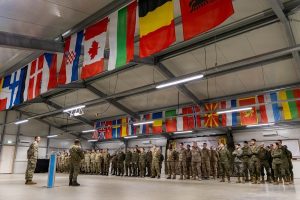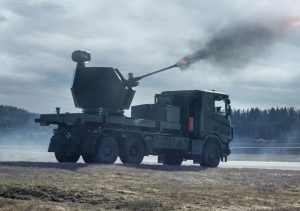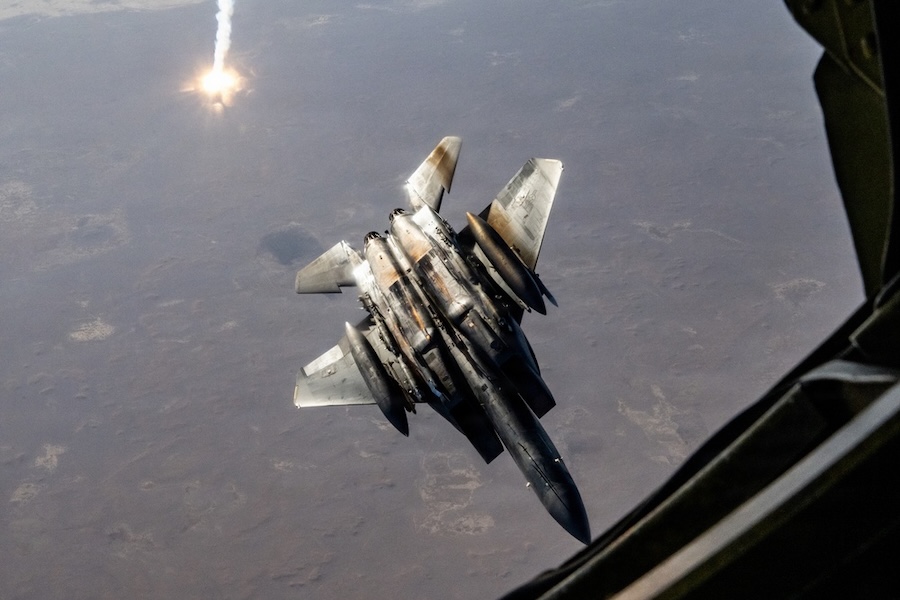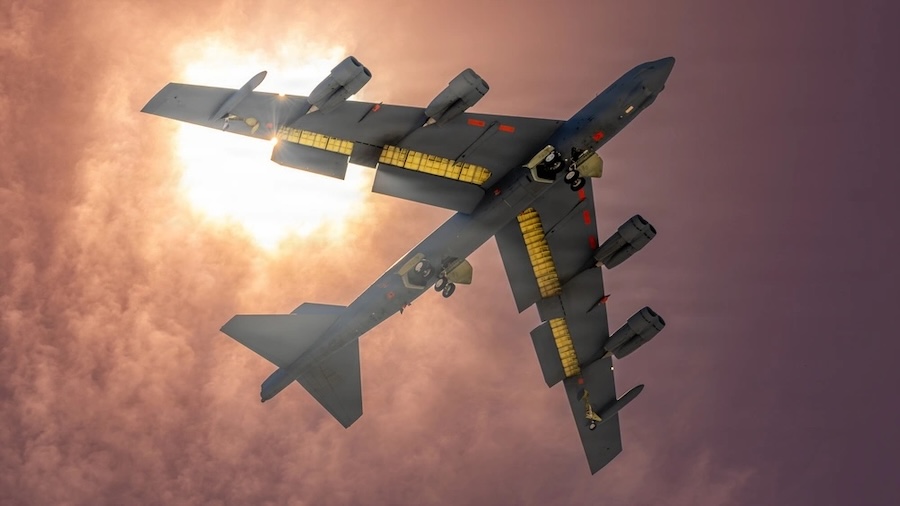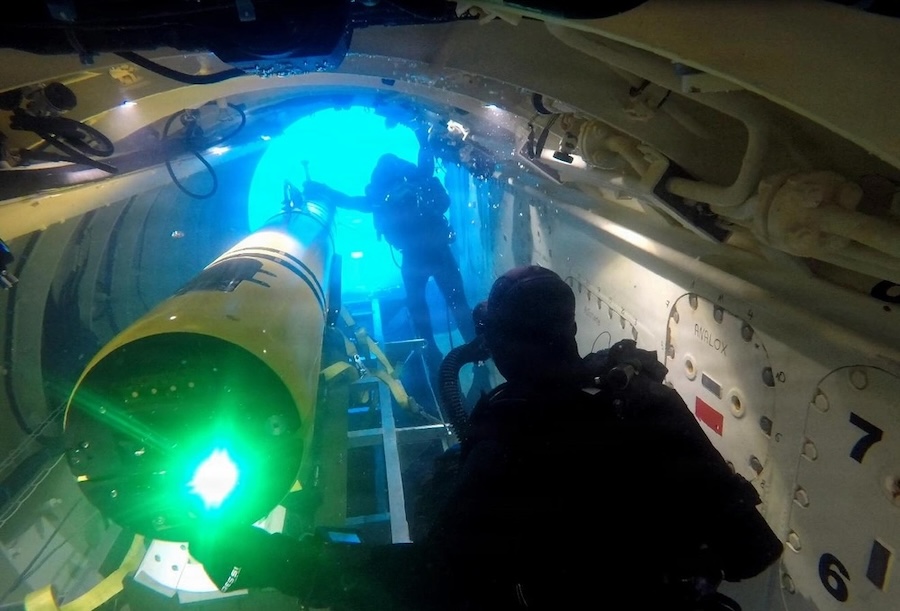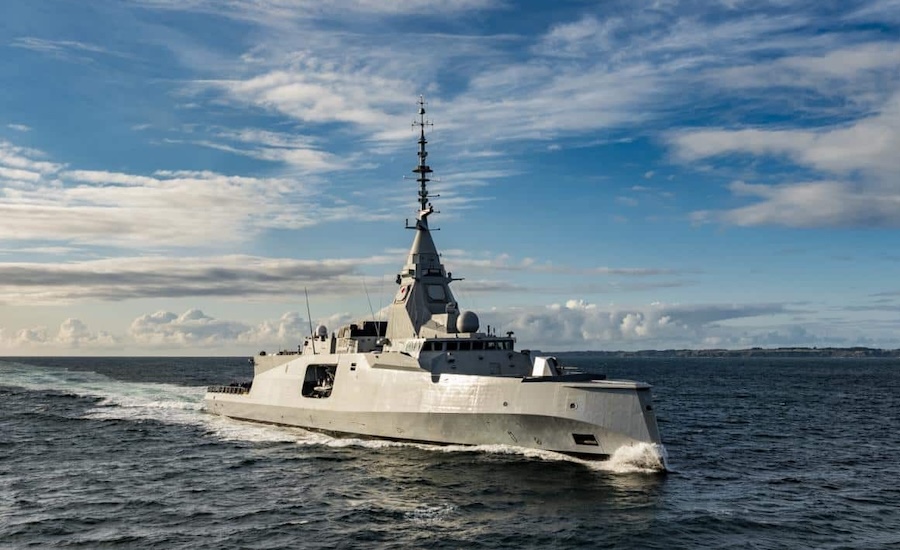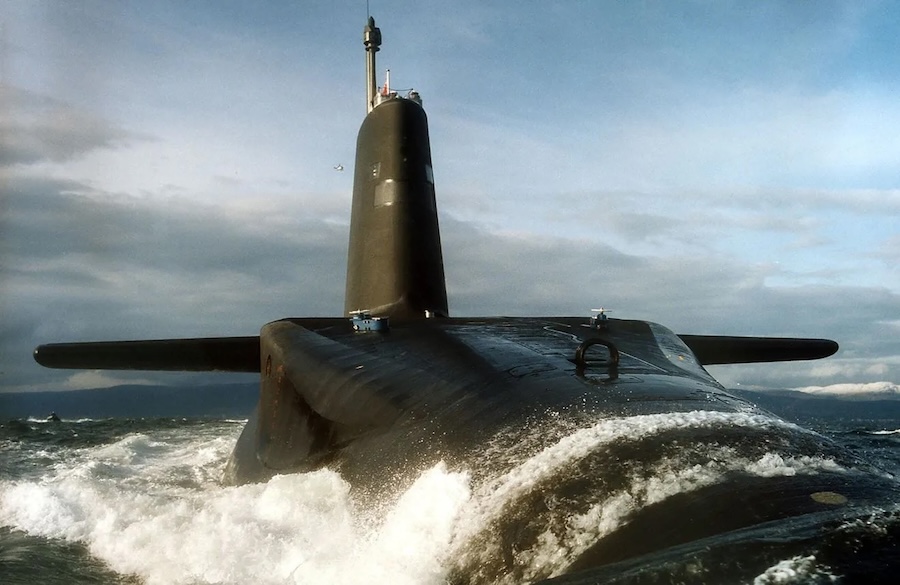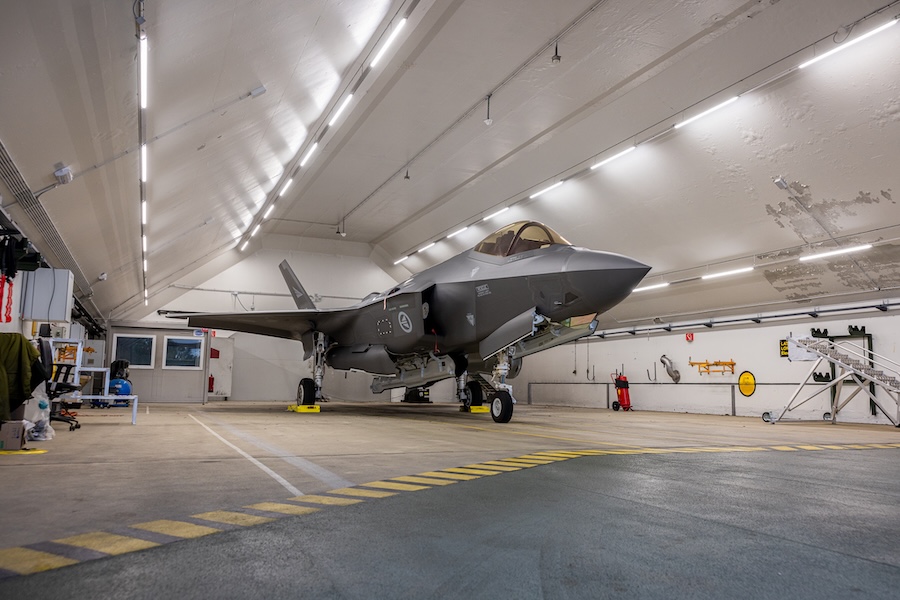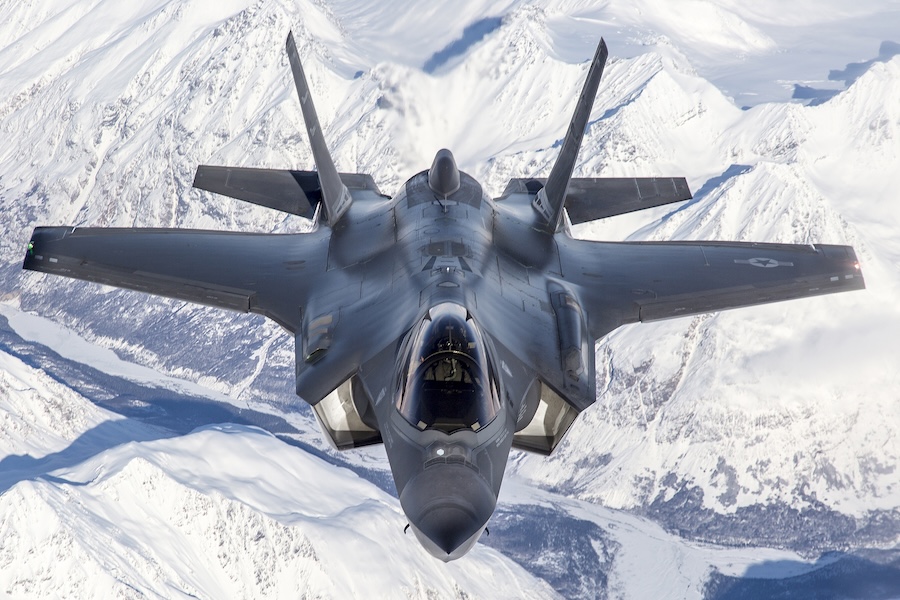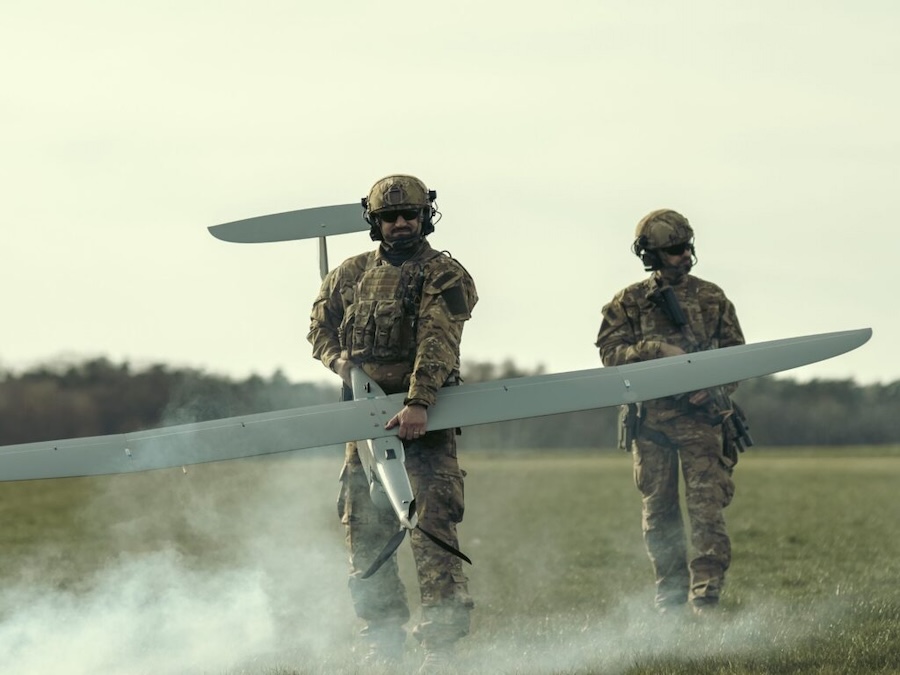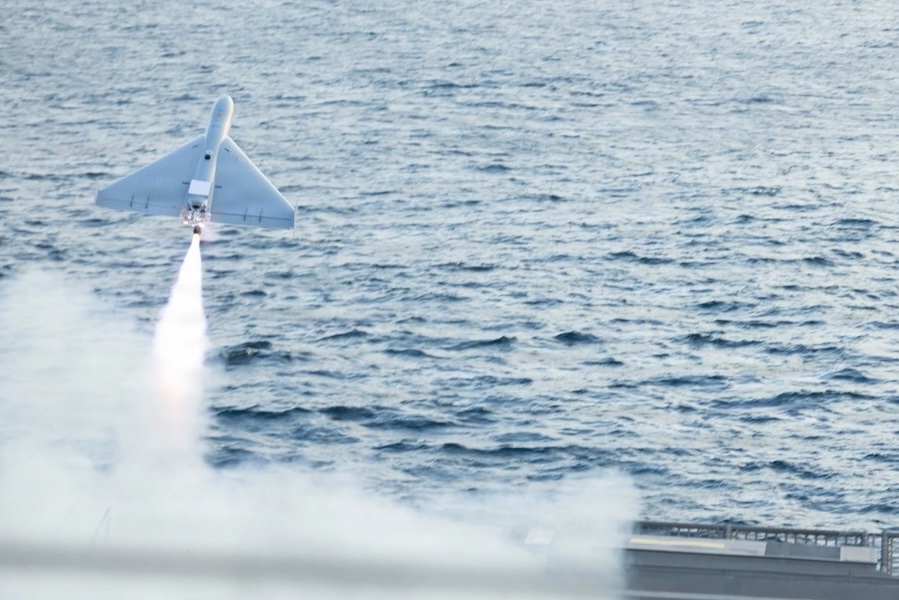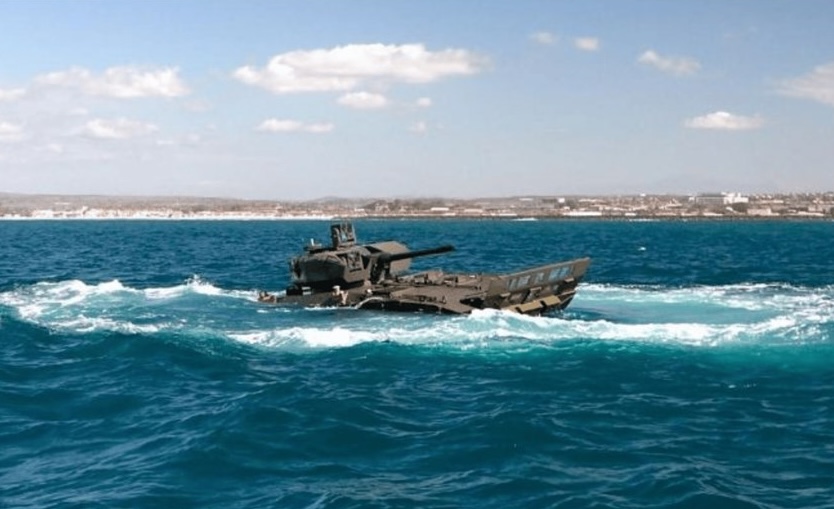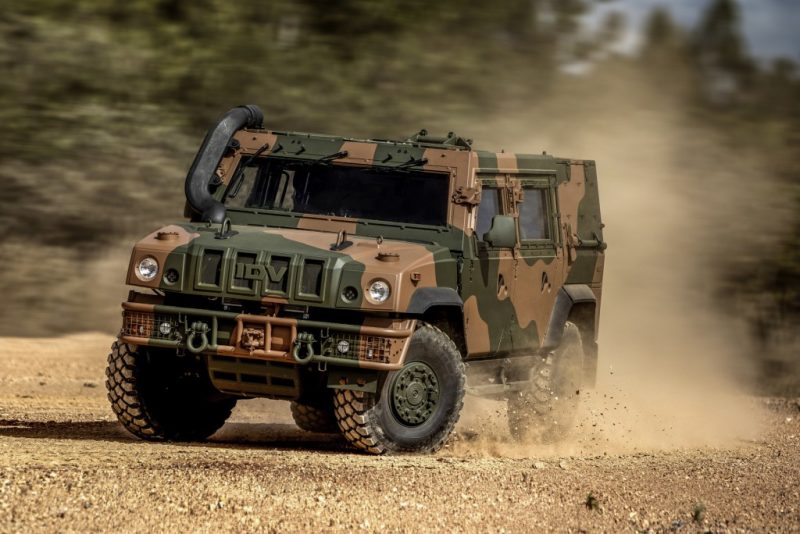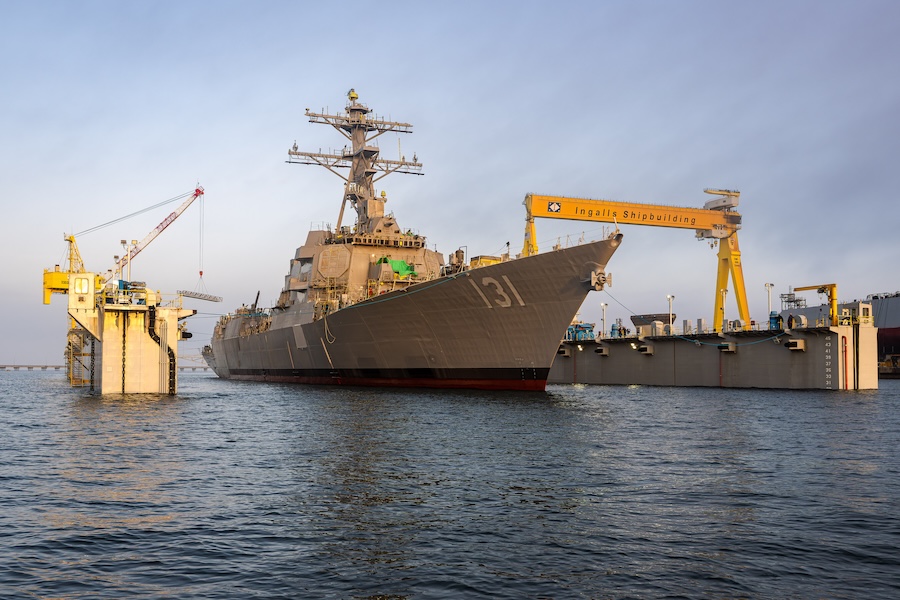


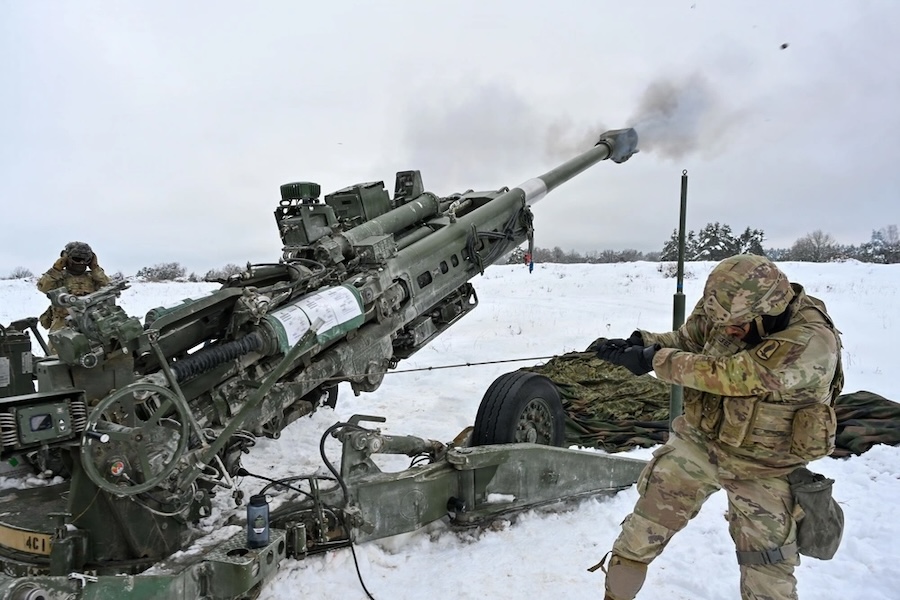
“This exercise demonstrates how the U.S. Army and our NATO Allies train the way we would fight together, across multiple domains, and at scale,” said Mr. Clinton Carroll, Public Affairs Officer for the 56th Multi-Domain Command-Europe. “Dynamic Front shows that Europe is not only a forward line of defense, but a live laboratory where we refine the capabilities and partnerships required to deter aggression and protect peace and stability.”
Dynamic Front 26 marks the final iteration of the exercise in its current format. Future versions will merge with the Arcane Thunder exercise to form a combined training event known as Arcane Front, reflecting NATO’s shift toward integrated, large-scale multi-domain operations aligned with modern security challenges and the long-term defense of the Eastern Flank.
The effort is led by the 56th Multi-Domain Command – Europe, which serves as the central hub for converging theater-level effects through long-range fires and specialized mission networks. NATO said the exercise reinforces the Alliance’s enduring commitment to collective defense and its ability to respond effectively to evolving threats across Europe and beyond.