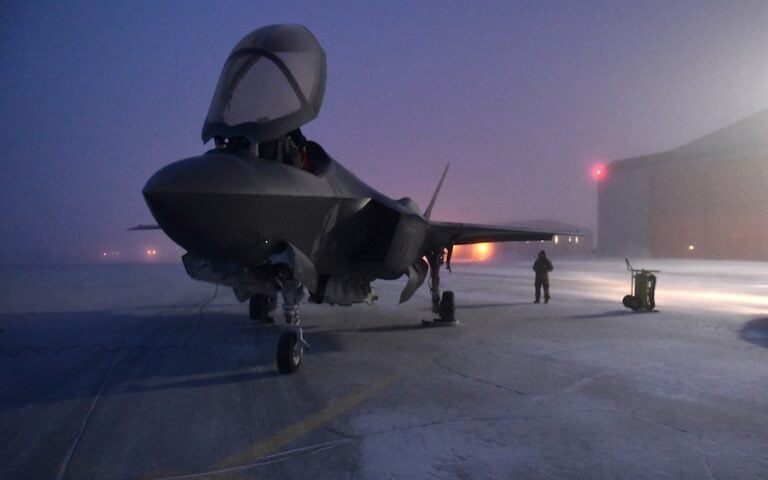
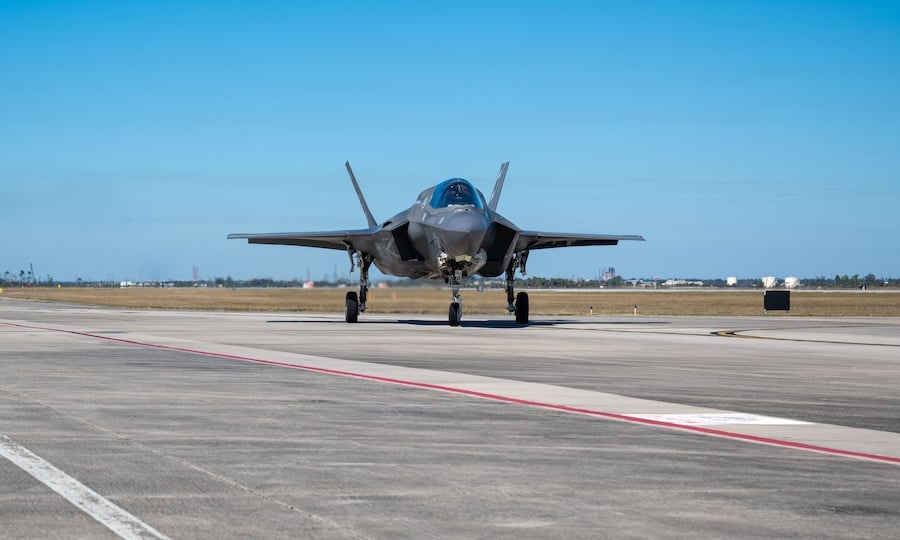
“Integrating our CF-18s with F-22s and F-35s allows us to train to a higher standard and alongside advanced technology,” said Capt. Spencer Barkes, a Royal Canadian Air Force pilot with the 409th Tactical Fighter Squadron at Canadian Forces Base Cold Lake in Alberta. “Facing those platforms, rather than just sparring among ourselves, gives us invaluable experience.”
The exercise brought together personnel from the U.S. Air Force, Navy and Marine Corps and the Royal Canadian Air Force and Royal Australian Air Force. Barkes said they practiced tactics and procedures together so they could work more effectively in a conflict.
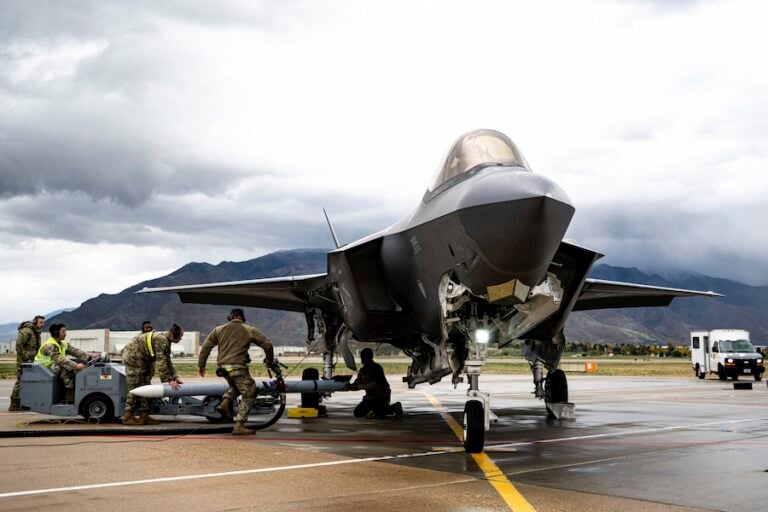
Maintainers and logistics personnel from visiting units and Tyndall worked with aircrews to keep the aircraft flying at a high tempo. “At the end of the day, advanced aircraft are only as effective as the joint team behind them,” said Scottie Mitchell, the 325th Fighter Wing’s Checkered Flag deputy director.
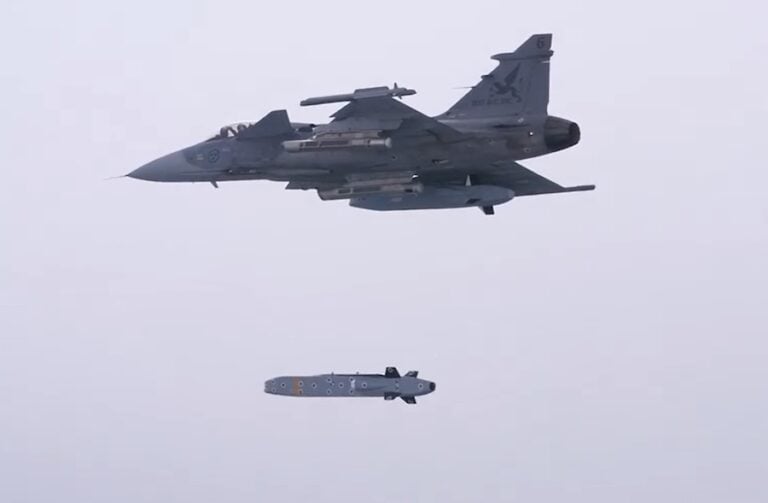
Some Checkered Flag participants also supported Weapons System Evaluation Program-East 27.01, a joint exercise led by the 53rd Weapons Evaluation Group to test the use of live air-to-air weapons. Running both exercises together allowed units to practice deploying, flying and sustaining their aircraft while conducting live-fire training.
From Tyndall, units had direct access to the Gulf Range Complex for high-speed maneuvers and live-fire testing over water. The Air Force said using the same range for both activities avoided duplicate transit costs.