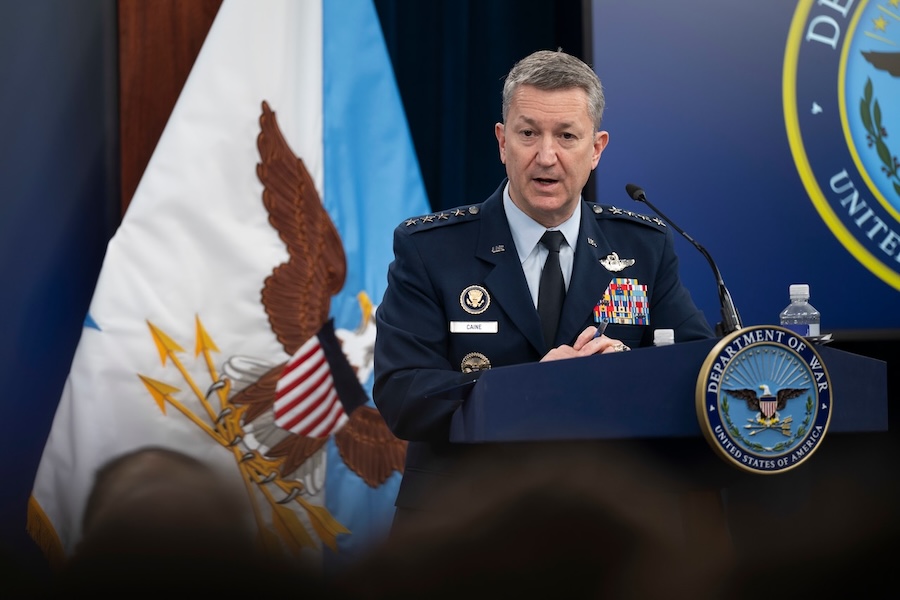


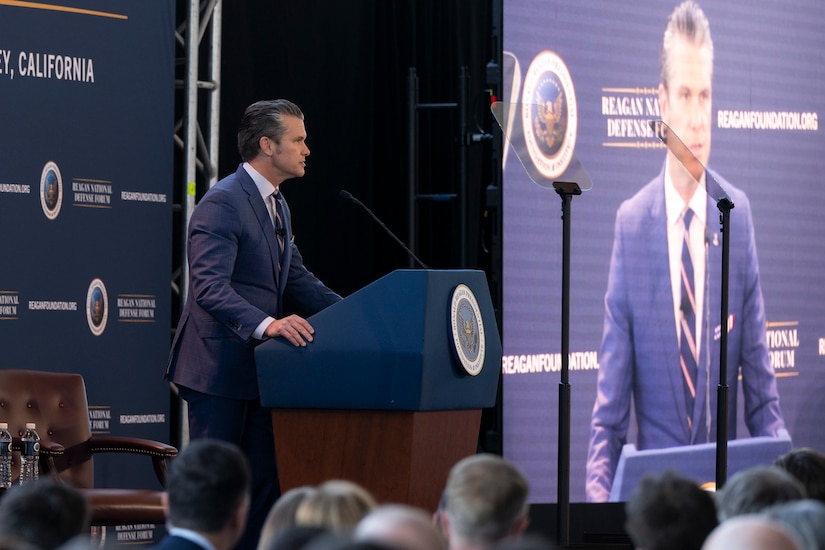
During the address, Hegseth drew parallels between policies under former President Ronald Reagan and those currently pursued under President Donald J. Trump, while noting what he sees as continuity in military thinking. He stated: “Make no mistake about it: President Trump is hellbent on maintaining and accelerating the most powerful military the world has ever seen; the most powerful, the most lethal and American-made … the Arsenal of Freedom.”
Hegseth said the department is focused on restoring “warrior ethos, readiness, accountability, standards, discipline and lethality,” which he described as essential to future security planning. He added that both the Trump administration and the War Department are committed to prioritising the security, freedom and prosperity of American citizens while avoiding what he called “seemingly unending foreign entanglements.”
“We’re doing it in a way that leaves not only our nation better off, but the world. Out with utopian idealism, and in with hard-nosed realism,” he said.
Hegseth detailed four core lines of effort: defending the U.S. homeland and hemisphere, deterring China through strength, expanding burden sharing among allies and partners, and strengthening the U.S. defence industrial base. He described these pillars as necessary for “peace through strength” and long-term stability.
On domestic security, Hegseth said the administration has made full operational control of the southern border a priority since January. “We did so by surging forces, where our troops partner with [the Department of Homeland Security] and [U.S Customs and Border Protection] to seal the border,” he said, adding that the rate of illegal border crossings is now “virtually zero.”
He said that the War Department supports the deportation of individuals identified as serious offenders and is working with regional partners to combat drug trafficking and organised crime. According to Hegseth, the aim is to ensure the border becomes “the last line of defence rather than the first” by targeting criminal networks beyond U.S. territory.
“These narco-terrorists are the al-Qaida of our hemisphere, and we are hunting them with the same sophistication and precision that we hunted al-Qaida,” he said, noting that allies in the region are assisting in these operations.
Turning to China, Hegseth said bilateral relations have improved under the Trump administration. He stated: “President Trump and this administration seek a stable peace, fair trade and respectful relations,” while adding that the War Department plans to widen military-to-military communication channels with China for de-escalation purposes.
“This line of effort is based on flexible realism … an approach aimed not at domination, but rather a balance of power … that will enable all of us, all countries, to enjoy a decent peace in the Indo-Pacific, where trade flows openly and fairly, where we can all prosper and all interests are respected,” he said. “That’s the world that we see in the Indo-Pacific, and that is what our approach is designed to produce.”
On burden sharing, Hegseth criticised past assumptions that allies were unable to support their own defence. “That is, of course, patently ridiculous — not to mention insulting to our allies,” he said, arguing that allies must now contribute more significantly to collective security.
He noted the recent NATO commitment to allocate 5% of gross domestic product to defence spending. “In a few years, thanks to President Trump’s visionary leadership, we will have our allies — which include some of the wealthiest and most productive countries in the world — once again fielding combat credible militaries and more state-revived defence industrial industries,” he said.
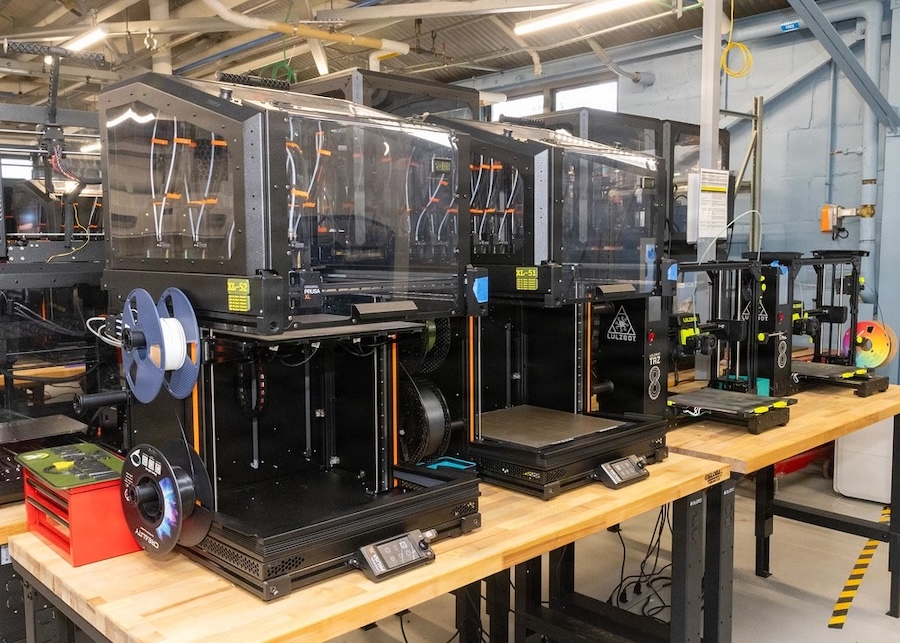
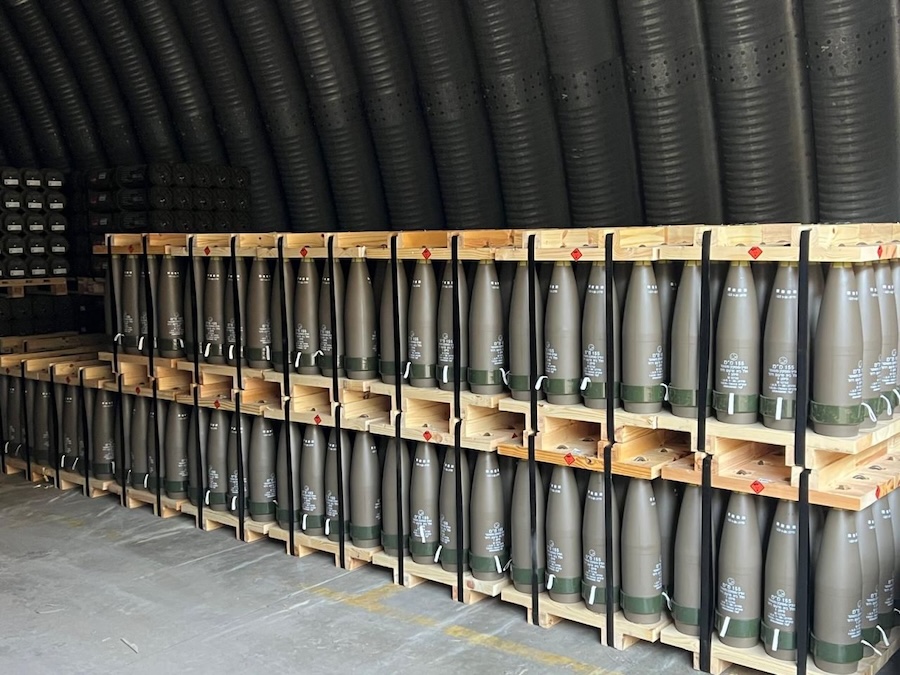
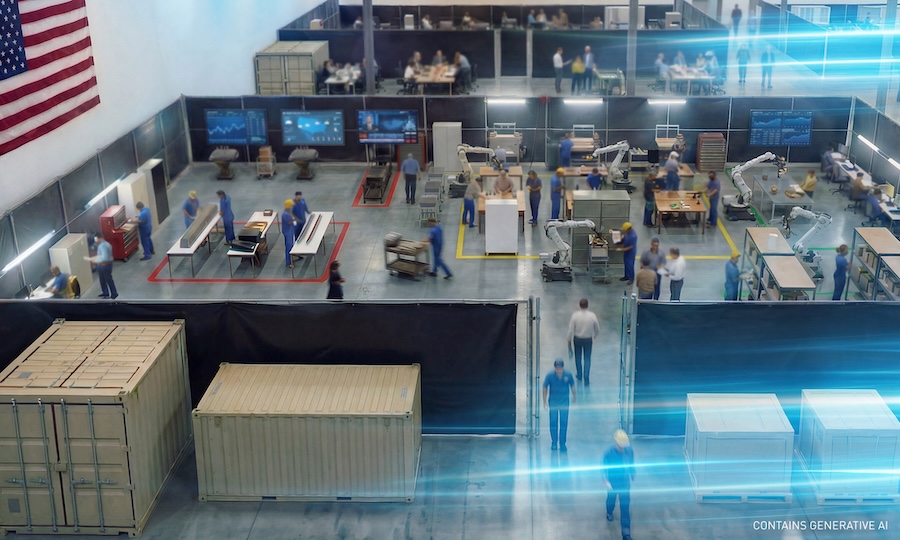
Discussing the defence industrial base, Hegseth characterised its strengthening as essential to enabling all other strategic objectives. “Our objective is simple, if monumental: transform the entire acquisition system to rapidly accelerate the fielding of capabilities and focus on results,” he said.
He argued for moving away from a “prime contractor-dominated, low-competition” procurement system and toward “a future powered by dynamic vendor space that accelerates production by combining investment at a commercial pace, with the uniquely American ability to scale and scale quickly.”
Concluding his remarks, Hegseth reiterated that the strategy seeks to deliver security through deterrence and capability. “We’re reviving the warrior ethos, we’re rebuilding our great military and — every day — our warriors are reestablishing [deterrence],” he said. “We owe safety, freedom and prosperity to the American people; and we will deliver.”