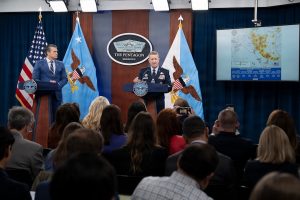


According to Hegseth, the joint campaign has targeted both Iran’s active combat forces and its military production infrastructure. He said the operation has significantly reduced the country’s ability to produce new weapons and sustain military operations.
“Soon and very soon, all of Iran’s defense companies will be destroyed,” Hegseth said while addressing reporters. He added that Iran’s ballistic missile production capacity has already been effectively eliminated.
“For example, as of two days ago, Iran’s entire ballistic missile production capacity — every company that builds every component of those missiles — [has] been functionally defeated [and] destroyed,” Hegseth said. He noted that the assessment includes buildings, complexes and factory lines across the country.
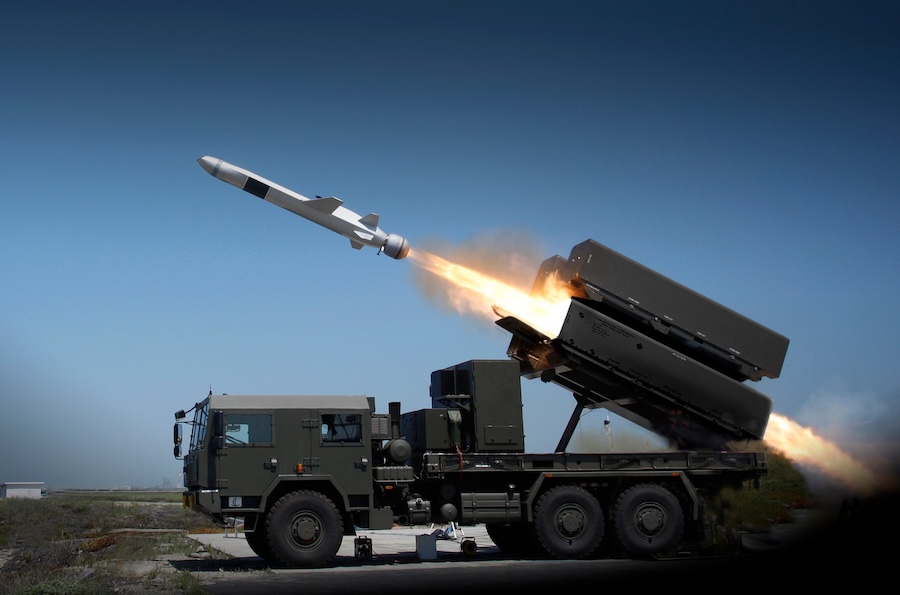
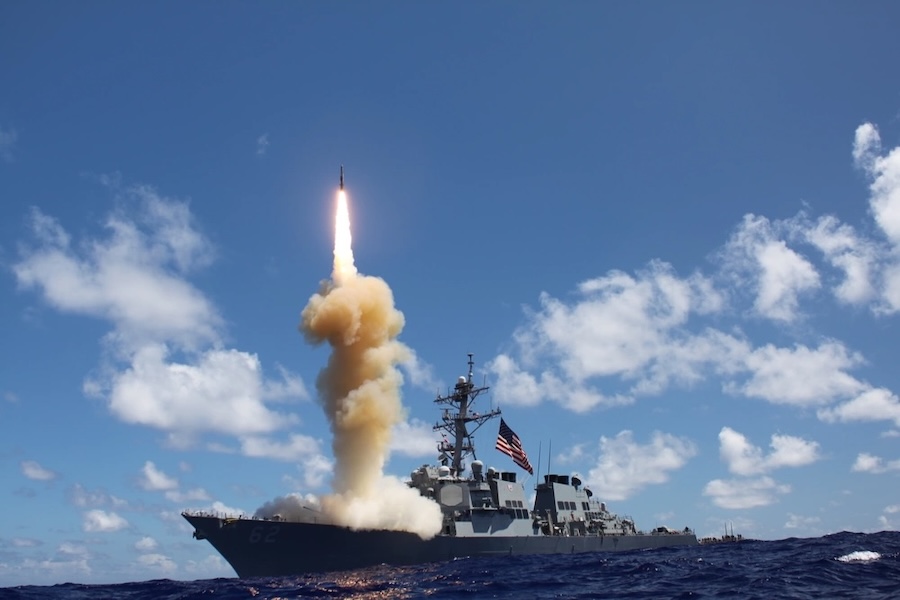
Hegseth said coalition forces are continuing to intercept and destroy Iranian missiles already in stock while targeting the country’s remaining production infrastructure. “We’re shooting down and destroying what missiles [the enemy] still have in stock; but more importantly, we’re ensuring that they have no ability to make more. Their production lines, their military plants [and] their defense innovation centers [are] defeated,” he said.
The secretary also said the latest wave of attacks marks the highest number of U.S. strikes against Iranian targets since the operation began. The strikes have focused on locations throughout Iran, including the capital city of Tehran.
“As we continue to ramp up every tool [of warfare], we’re employing [them], blinding, confusing and deceiving our enemy; because we know who the good guys are here, and the American people do, too,” Hegseth said. Over the first ten days of the conflict, he added, U.S. and Israeli air forces have struck more than 15,000 enemy targets.
Hegseth also described the psychological pressure placed on Iranian forces during the ongoing campaign. “Looking up, the [Islamic Revolutionary Guard Corps] and Iranian regime [see] only two things on the side of aircraft: the Stars and Stripes and the Star of David — the evil regime’s worst nightmare,” he said.
According to the Pentagon, the operation has significantly reduced Iran’s ability to conduct attacks. Hegseth said missile launch volume has dropped by 90 percent and one-way drone attacks have decreased by 95 percent since the start of the campaign.
Air Force Gen. Dan Caine, chairman of the Joint Chiefs of Staff, joined the briefing and supported Hegseth’s assessment of the operation’s intensity. He said the current phase represents the heaviest day of kinetic strikes against Iranian regime targets in the region.
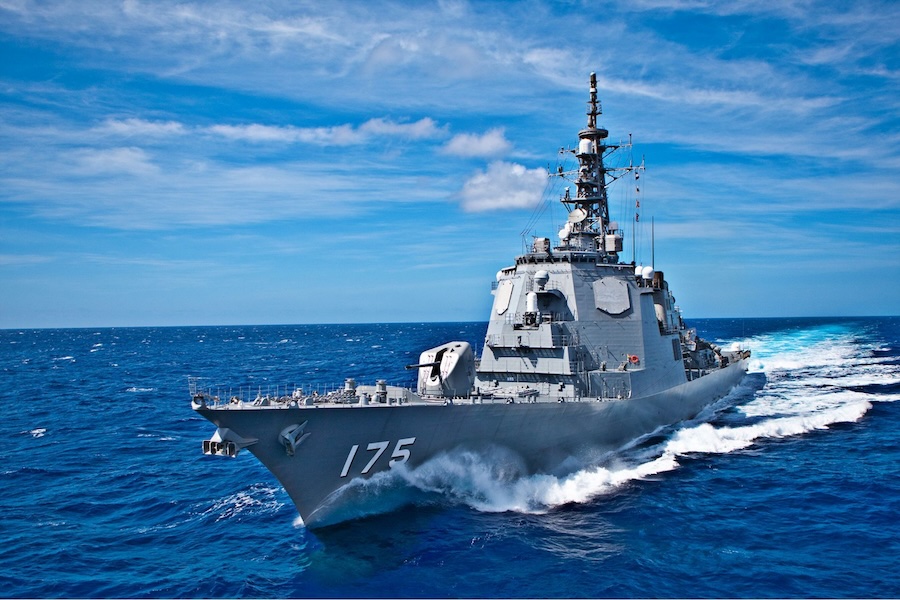
Caine also discussed the impact of the operation on Iran’s naval forces. “In less than two weeks, we’ve rendered the Iranian navy combat ineffective, and [we] continue to attack all naval vessels, including all of their Soleimani-class warships, which were armed with anti-ship missiles and antiaircraft weapons,” he said.
Despite the damage to Iranian naval capabilities, Caine said the regime still retains the ability to threaten friendly forces and commercial shipping. He noted that the risk is particularly significant in the Strait of Hormuz.
“The only thing preventing commercial traffic and flow through the strait right now … is Iran. They are the belligerents here, holding the strait closed,” Caine said. He added that U.S. Central Command has prioritized targeting Iran’s mine-laying capabilities along with nearby naval bases and depots.
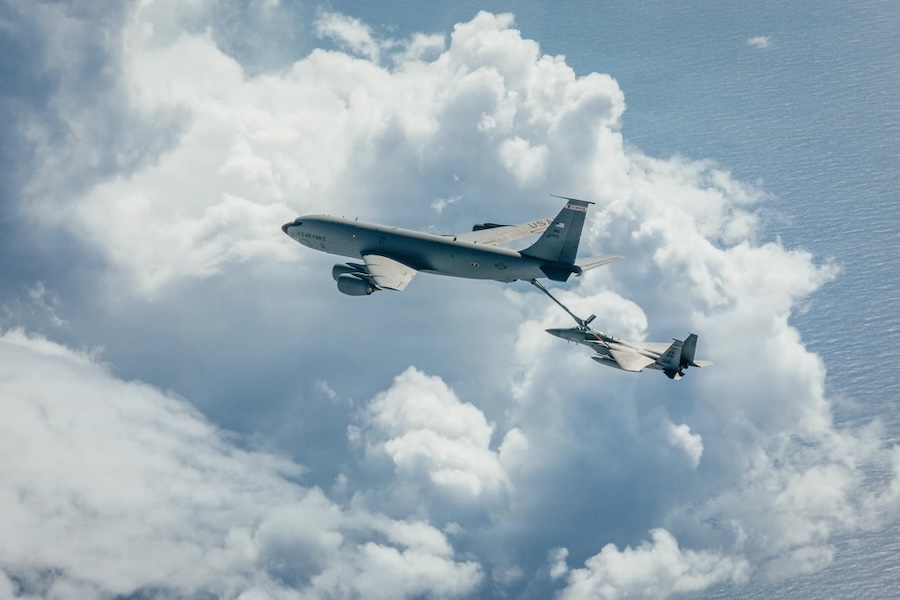
Both officials also paid tribute to U.S. service members killed in a recent aviation accident involving a KC-135 refueling tanker in western Iraq. Four of the six crew members have been confirmed dead, while rescue efforts for the remaining personnel were continuing.
“I ask that we remember our fallen and those participating in the recovery operations … Those are very, very, very tough days when that [casualty-notification] knock comes on the door — for people on both sides of the door,” Caine said. Hegseth also honored the fallen airmen.
“American heroes, all of them,” Hegseth said of the KC-135 crew. “And their sacrifice will only recommit us to resolve this mission,” he added, noting that administration officials will receive the fallen service members at Dover Air Force Base in Delaware when they return to the United States
Source: U.S. Department of War.