
At its capital markets day, Hensoldt stuck to its €6 billion revenue goal for 2030. Chief Financial Officer Christian Ladurner said he expected sales to grow by 15% to 20% in each of the next two years and by more than 20% towards the end of the decade.
The company ended September with a record €10.4 billion order backlog and expects that figure to reach about €11.2 billion by year-end, with orders continuing to grow substantially faster than sales. Hensoldt sees about €110 billion in potential orders from 2027 to 2032 before taking into account how likely it is to win each contract.
Hensoldt estimates that the defence electronics market it can serve will grow by about 10% a year to roughly €76 billion by 2031. Its forecast takes into account NATO members’ commitment to spend at least 3.5% of gross domestic product on core defence by 2035 and Germany’s plans to raise defence spending from about €108 billion in 2026, including its special fund, to more than €180 billion in 2030.
Radar production and investment
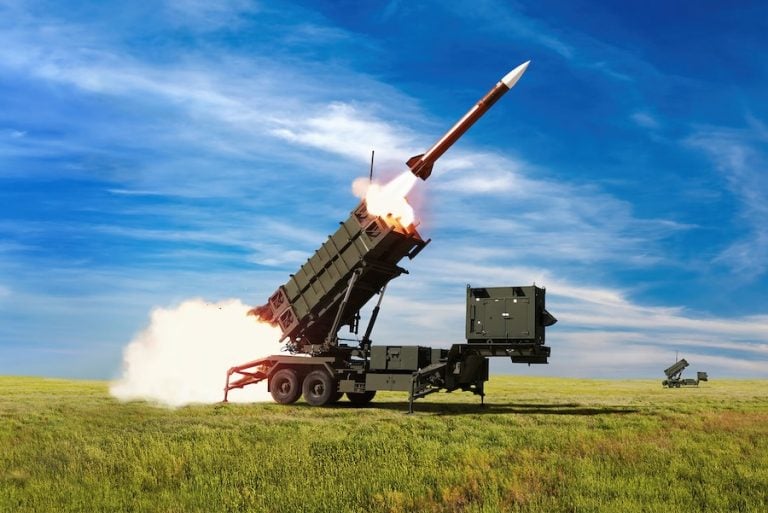
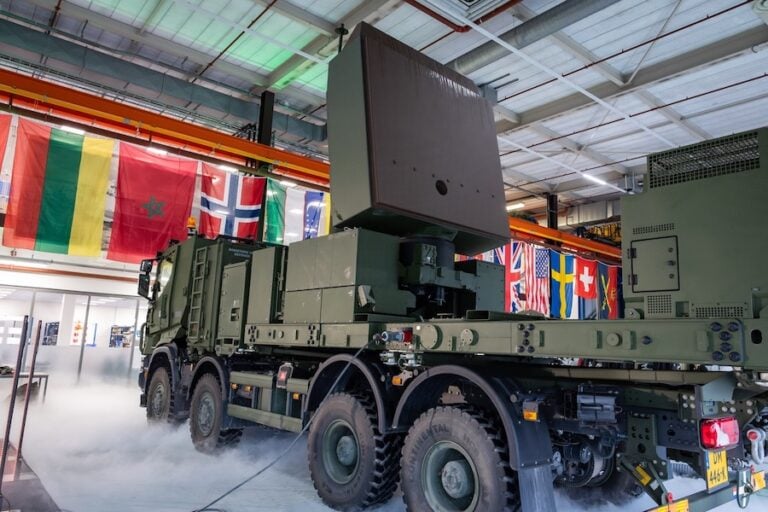
“For key products such as the TRML-4D, we have increased our capacity fivefold over the past three years and will double it again over the next two,” Ladurner said. Hensoldt expects its overall production capacity to rise substantially by mid-2027 and to keep expanding through 2029.
The company has added about 49,000 square metres of facilities since 2023 and plans to add another 46,000 from 2027, including an optronics service centre and an air defence radar site due to start series production in the second quarter of 2027. It expects headcount to rise from about 10,600 in 2026 to around 14,000 in 2029, with 83% of this year’s hires working in areas such as production, development and service.
Hensoldt expects capital expenditure to peak at about 5.5% of revenue in 2026 before falling to between 4% and 4.5% over the medium term. It expects its adjusted EBITDA margin to improve by about half a percentage point a year, from around 19% in 2026 to around 21% in 2030.
The company said it had about €1 billion of headroom for acquisitions. It plans to maintain its policy of paying out 30% to 40% of adjusted net income in dividends.
Software, services and exports
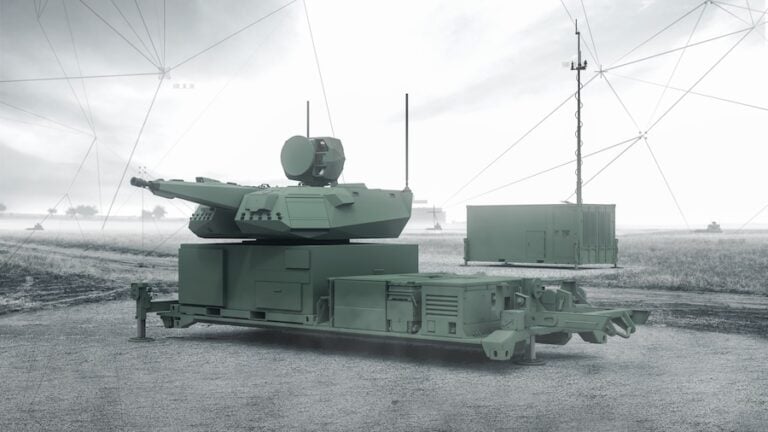
Hensoldt sees opportunities in air defence, further orders for systems already in service and new programmes, including mission aircraft. “Decisions on many of the programmes that will shape our business in the 2030s will be taken soon,” Chief Executive Oliver Dörre said.
The company is negotiating with three customers over prototypes of its MDOcore software and expects the first orders from 2027, following a prototype test in a NATO exercise. The PEGASUS and Luchs 2 reconnaissance vehicle programmes already use elements of the software, and Hensoldt plans to earn revenue from licences, integration work and support.
Hensoldt expects services to account for about a quarter of revenue in the long term. It also aims to earn about half of its revenue from customers outside Germany over time, with sales efforts focused on other European markets, India and Canada.