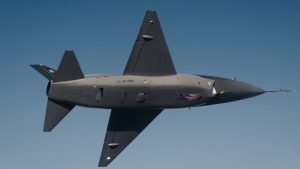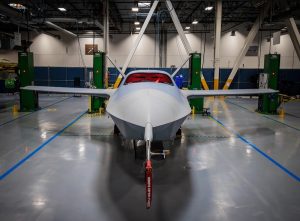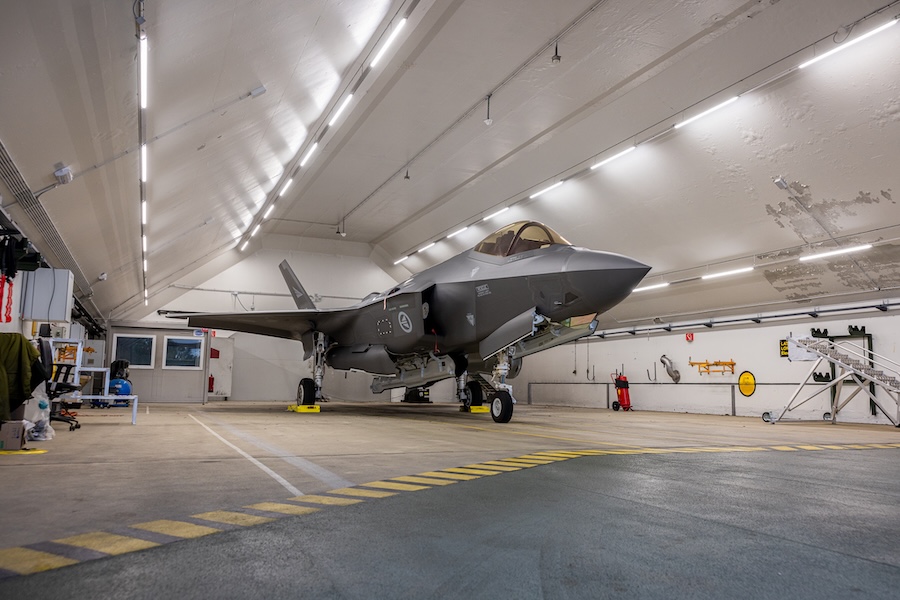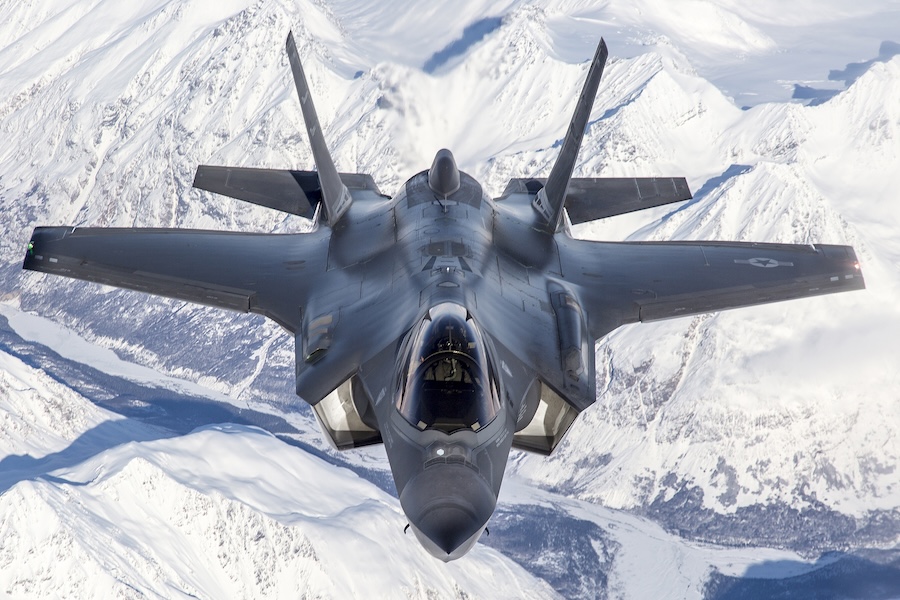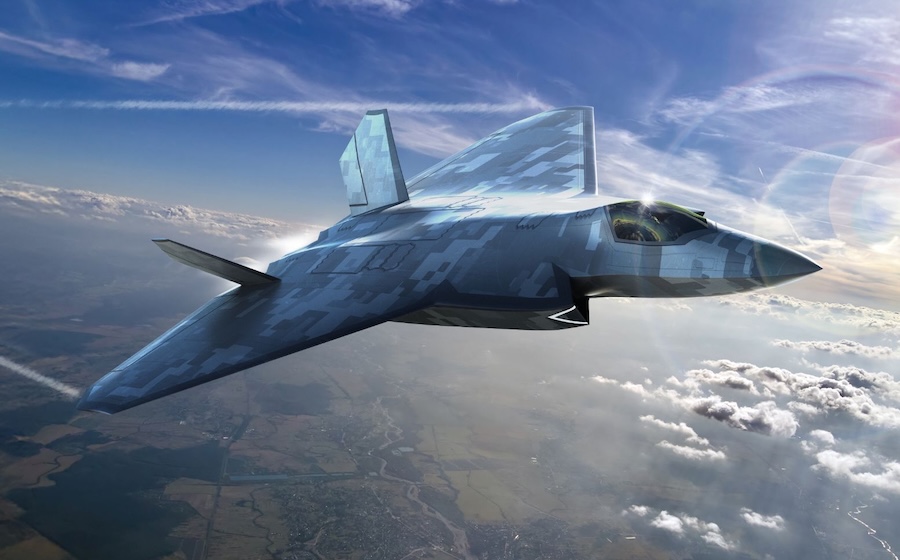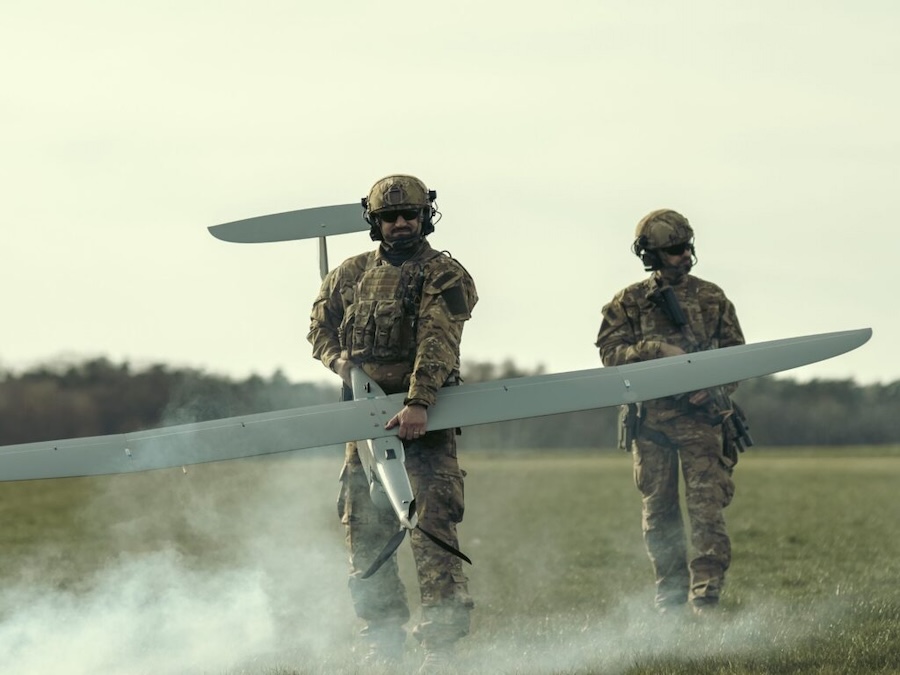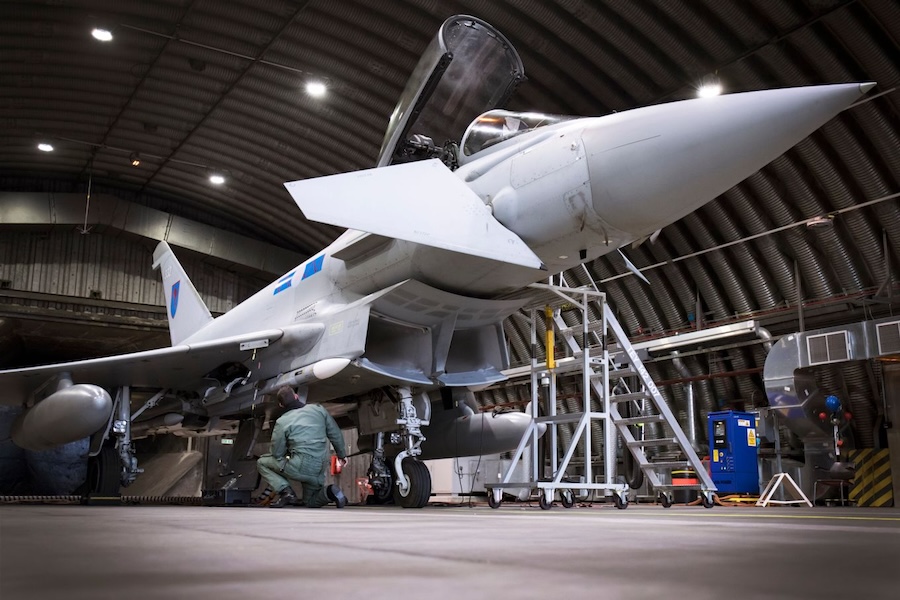


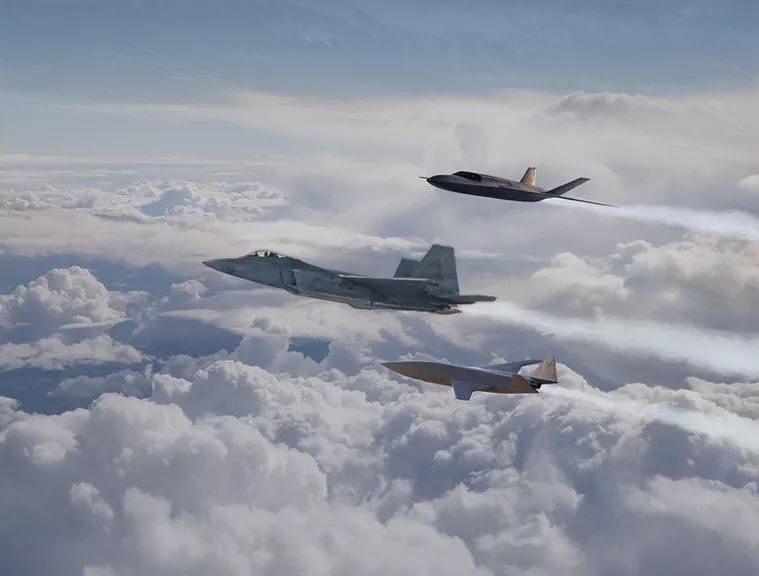
Next-generation CCAs are expected to perform high-risk missions while operating alongside crewed fighter aircraft as “loyal wingmen.” These aircraft require propulsion systems that combine efficiency, reliability and affordability to support autonomous operations in complex combat scenarios.
Honeywell said the HON6000 is based on its proven engine architecture and has been optimized specifically for medium-sized CCA platforms and other aircraft. The turbofan delivers what the company describes as the highest power-to-weight ratio in its thrust class, enabling improved performance in challenging kinetic environments.
The new engine complements Honeywell’s broader propulsion portfolio, including the previously announced SKYSHOT1600 engine designed for smaller CCA platforms. Together, the two engines provide scalable propulsion options for manufacturers developing uncrewed aircraft systems for high-risk operational missions.
Honeywell stated that the HON6000 offers the thrust, responsiveness and durability required for medium-sized CCAs operating alongside crewed fighters on long-range missions in contested environments. The engine’s performance is intended to allow autonomous aircraft to maintain formation, timing and mission discipline during joint operations with manned platforms.
The company also emphasised the engine’s focus on affordability as a central feature of its design. Honeywell noted that the emphasis on low acquisition and ownership costs makes the HON6000 suitable for attritable operations where uncrewed aircraft may be deployed in high-risk missions at scale.
Development of the HON6000 builds on Honeywell Aerospace’s long experience in propulsion systems for medium-thrust military fixed-wing aircraft. The engine incorporates technologies derived from approximately 150,000 turbine propulsion engines and auxiliary power units produced by the company over the past five decades.
According to Honeywell, the engine uses a proven architecture enhanced with updated components, modern aerodynamics, resilient material systems and advanced manufacturing techniques. Because it shares design heritage with established production engines and is manufactured in the United States, Honeywell said the system can be scaled rapidly to meet future customer requirements while reducing programme risk for aircraft manufacturers and operators.