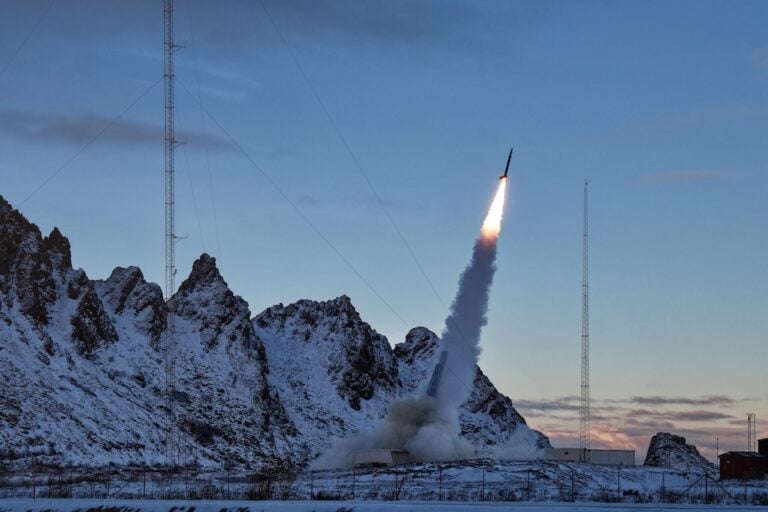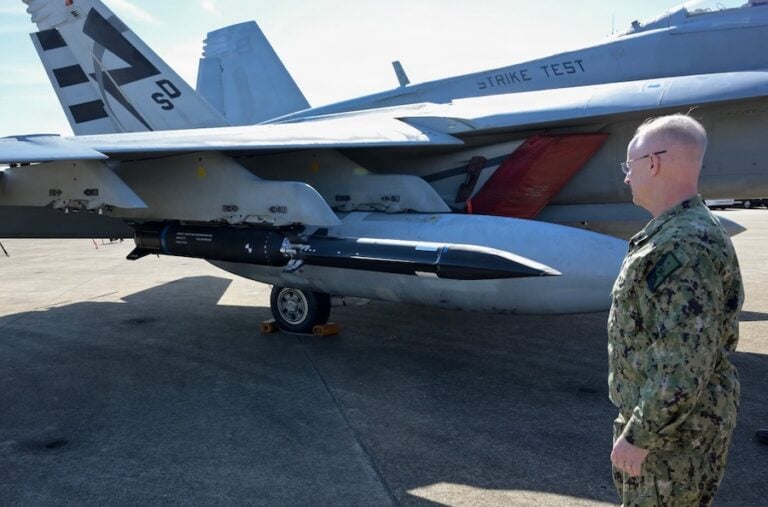
Lockheed Martin Australia, Airways Trade Australia, Rocket Technologies International and the University of Queensland will build a portable launch rail and equipment to assemble payloads, communicate with test vehicles and collect flight data. The launcher is intended to let developers test early designs at high speeds, including in the hypersonic range that begins at Mach 5, before committing to larger, more expensive flight trials.
“This capability will position Australia at the forefront of high-speed advanced aerospace technology development and will support Australian Government Defence priorities,” said Jeremy King, chief executive of Lockheed Martin Australia and New Zealand. “We are grateful for the support provided by the Queensland Government to this strategically important project.”
Rocket Technologies International will design and build the motors for the first series of flights. “Establishing a rocket manufacturing capability in Queensland is a critical step forward for Australia’s long-term sovereign defence preparedness and industrial resilience,” said Allan Payne, the company’s chief executive.
The launcher is designed to give Australian and overseas companies, researchers and government agencies more options for where to fly their experiments. It could also make it easier to recover test hardware on land, so engineers can inspect it alongside the data collected during flight.
The project is intended to support the development of lower-cost rocket boosters, starting with designs for speeds below Mach 5. Lockheed Martin Australia said the platform could also support cooperation with AUKUS, the Quad and other international partners.