
Lockheed Martin linked the rise in requests to military modernization plans that place greater emphasis on long-range precision strikes. PrSM was designed for joint operations, allowing U.S. and partner forces to train together, plan missions and use the same weapon.
Lockheed Martin says the manufacturing lines can be adapted as requirements change, allowing it to put lessons from the program into practice while sustaining output over time. The company uses digital engineering and works with government partners to shorten development and production cycles.
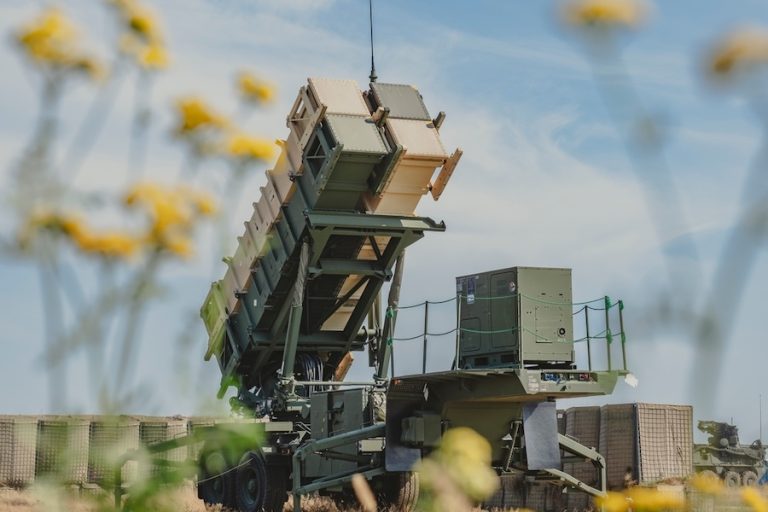
The PrSM expansion is part of a wider effort to increase munitions output, including for the PAC-3 and THAAD programs. Lockheed Martin says it plans to invest $8 billion to $9 billion through 2030 to modernize more than 20 U.S. facilities and increase production capacity across that portfolio.
The company is working with Hadrian to bring computer-controlled machining directly onto its production lines. Lockheed Martin says the arrangement can help it make greater use of common parts, cut lead times and lower costs.
Lockheed Martin says expanding production also depends on developing a skilled workforce and working with suppliers. Hundreds of engineers, technicians and supplier teams contribute to delivering each PrSM, according to the company.