The U.S. contingent included soldiers from the 11th Airborne Division’s 1st Mobile Brigade Combat Team and elements of the 1st Multi-Domain Task Force. The exercise was sponsored by U.S. Army Pacific.
At Auli, troops trained in jungle warfare, rappelling, counterterrorism, building clearance and long-range marksmanship. U.S. and Indian platoons also joined the same maneuver formations for air assaults aboard Indian Army helicopters.
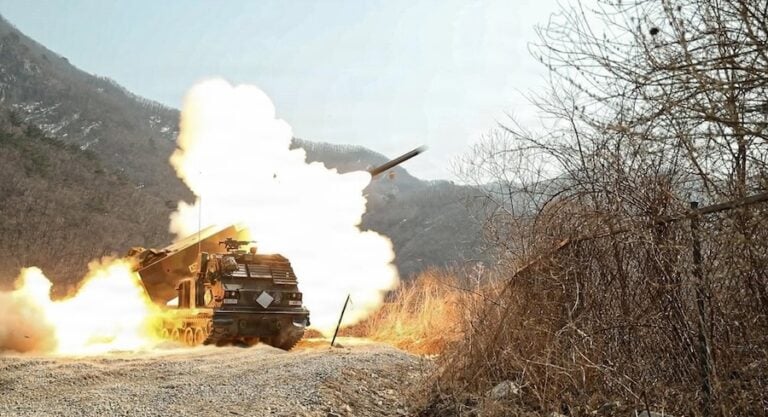
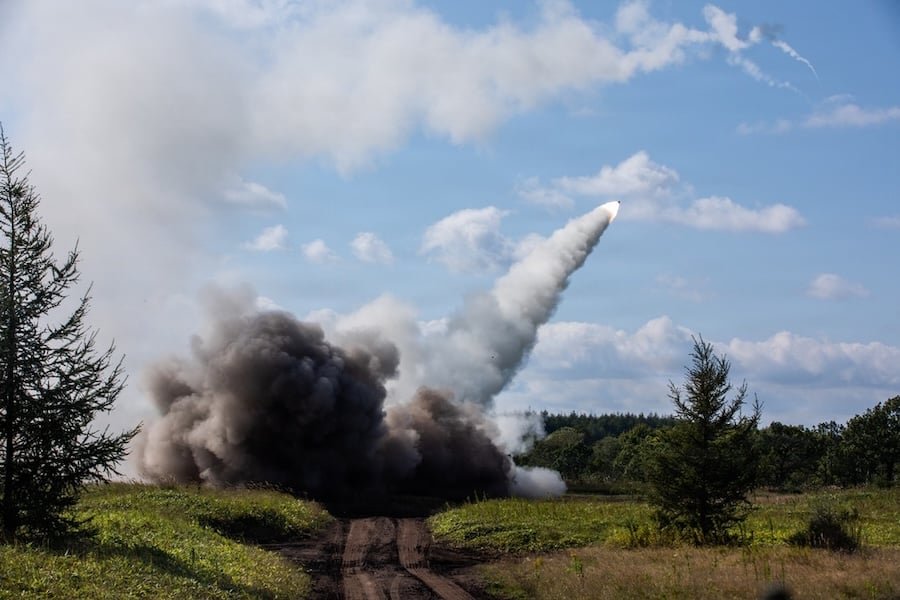
Soldiers flew American and Indian drones side by side and tried each other’s small arms. At Mahajan, the two armies conducted precision-fire training that included HIMARS, Stinger and M-LIDS live-fire events.
“Our soldiers know each other’s equipment, they know each other’s tactics, and they trust each other,” said Colonel Ben Jackman, commander of the 1st Mobile Brigade Combat Team. “That’s what makes us ready to fight together if we’re ever called to do it.”
Jackman said the range of activities at both locations reflected the depth of cooperation between the armies. U.S. and Indian personnel trained together across ground, air assault and fires missions during the three-week event.
“That kind of trust doesn’t come from a single event,” Jackman said. “It comes from three weeks of doing hard things together, and it’s going to carry forward into everything we do with this partner force.”
The Army said final activities were scheduled to follow the closing ceremony. Those activities will bring this year’s Yudh Abhyas to an end.