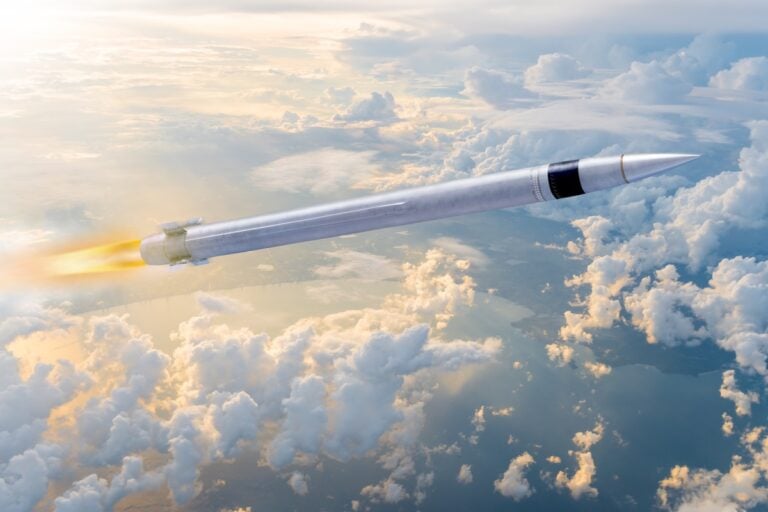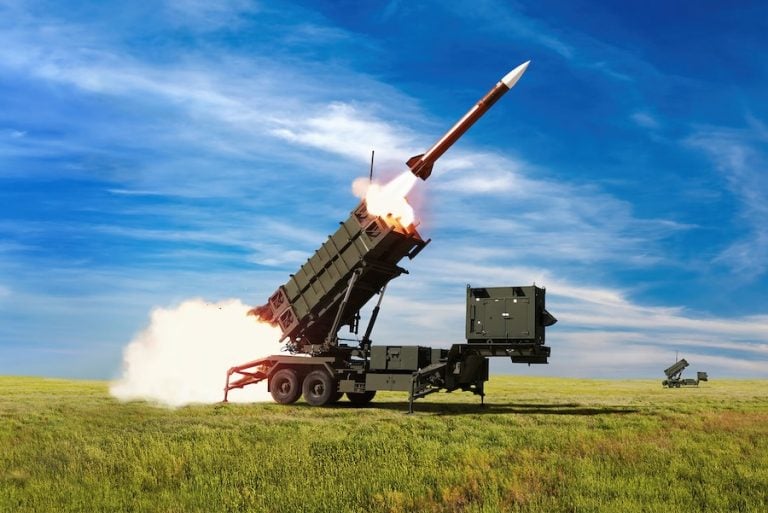
Lockheed Martin received the award in late September, following a $93 million contract that established PAC-3 MSE as a Navy program of record. The company said it had invested $120 million of its own funds in hardware and software work for the integration.
“The phase II contract signifies the continuation of our close, collaborative relationship with the U.S. Navy,” said Jason Reynolds, Lockheed Martin’s vice president and general manager for Integrated Air and Missile Defense. “Adding PAC-3 MSE to the Navy’s IAMD architecture delivers a dynamic, combat-proven capability that protects against emerging and evolving threats in a complex naval threat environment.”
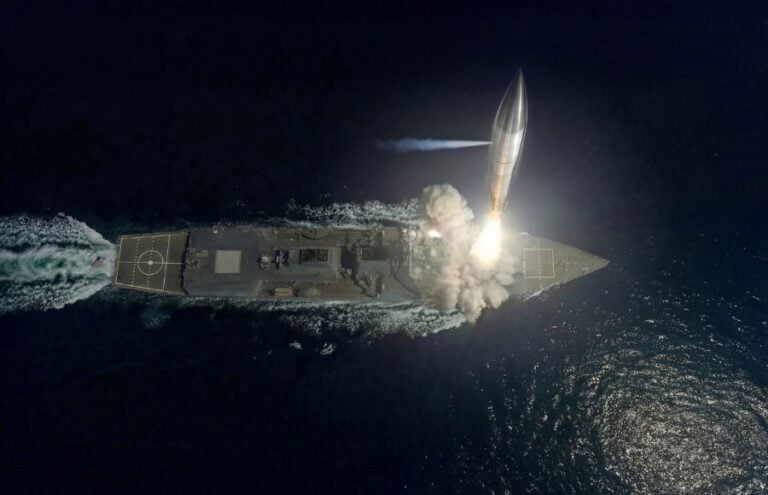
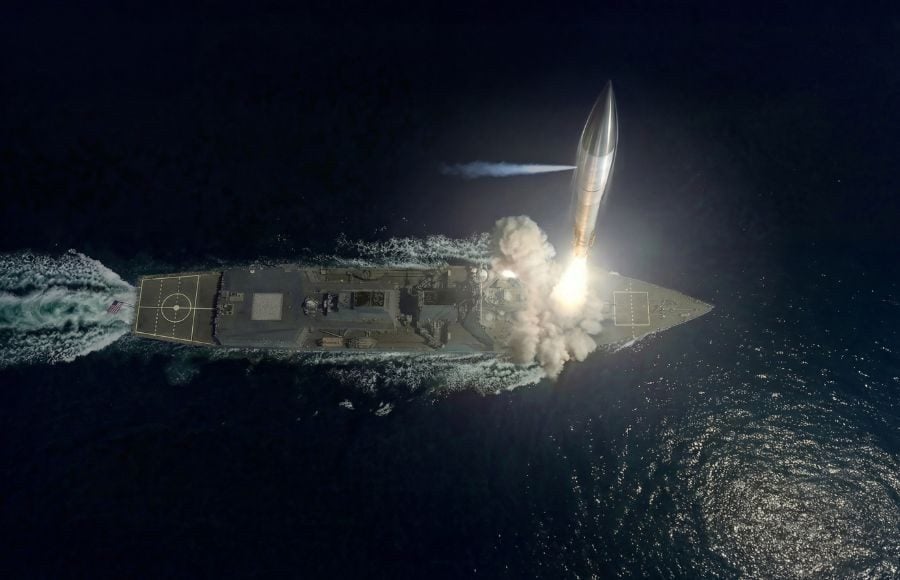
A recent ground test showed that the interceptor could pass through a Mk 41 launch canister without damage, Lockheed Martin said. In a separate flight test in 2024, the company and U.S. defense offices fired the interceptor from a Mk 70 launcher, marking the first vertical launch of a PAC-3 MSE integrated with Aegis, which was used in a virtual configuration for the test.
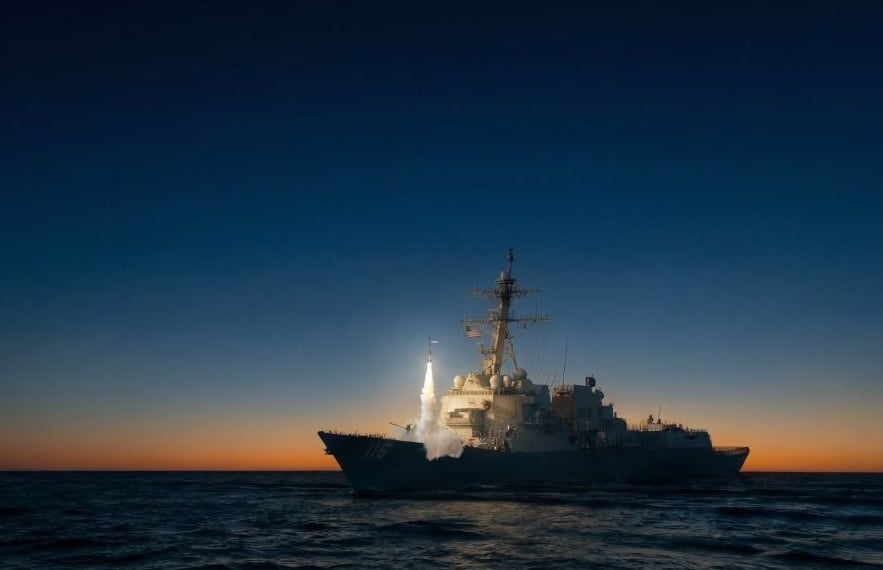
Engineers are building a canister that fits the Mk 41 launcher and accommodates the interceptor, and are rewriting the software that controls launch timing. They are also developing containerized fire-control software and a data link that operates in the S and X bands and can accommodate future upgrades.
“Taking PAC-3 MSE to sea requires our team to redesign several pieces of hardware and software to ensure we’re answering the specific needs of the Navy,” said Jason Bair, Lockheed Martin’s chief engineer for the naval PAC-3 MSE program. “We’re building this program with growth and future developments in mind so we can continue to evolve with new threats.”
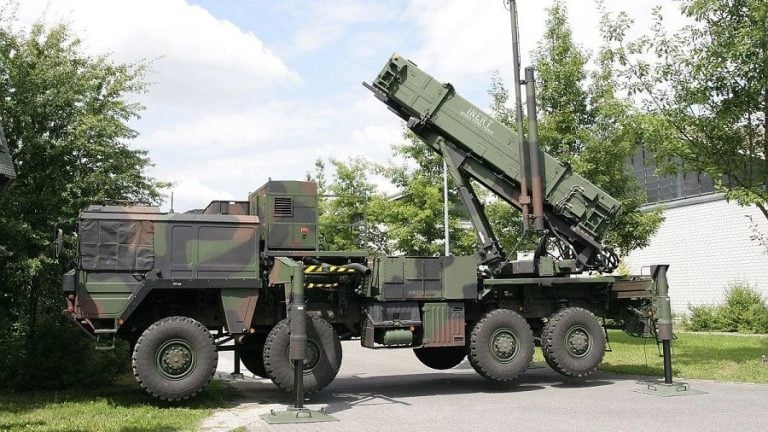
Lockheed Martin plans to build the Navy variant alongside Army versions at its All-Up Round III facility in Camden, Arkansas. The company says the shipboard version will retain the existing interceptor’s maneuverability and reliability.
The Navy work comes as Lockheed Martin expands production to meet demand from both U.S. services and partner nations. The company said the Army awarded it a $58 billion contract on July 29 to accelerate production, following a framework agreement to triple manufacturing capacity.