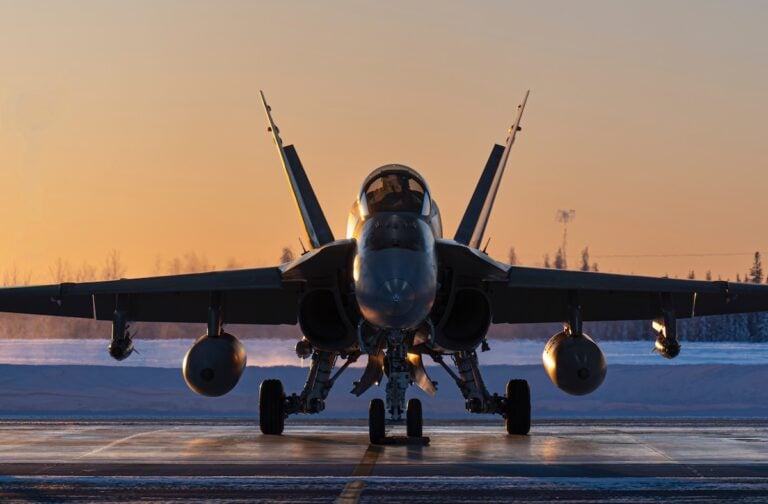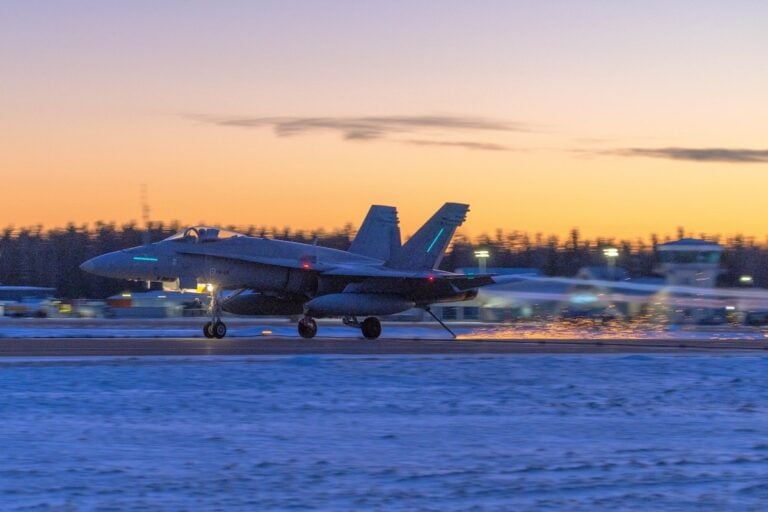
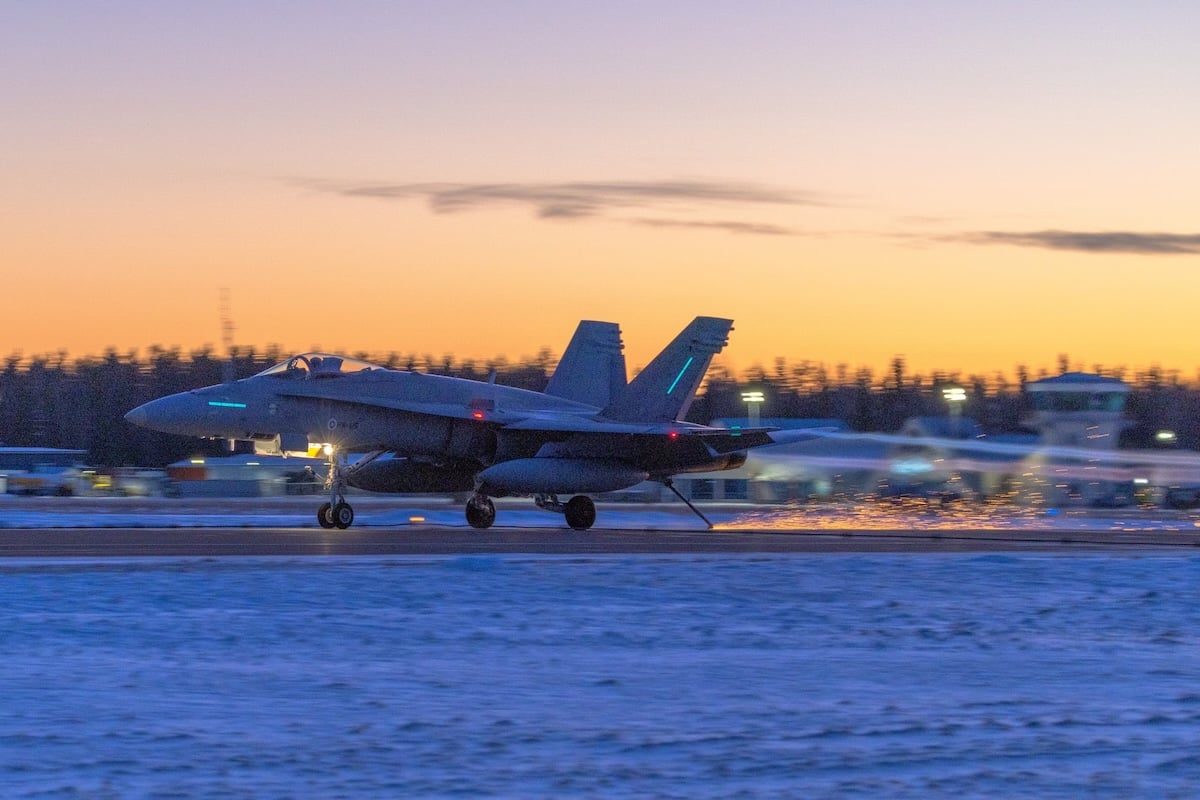
Belgium and Turkey flew F-16 Fighting Falcons, Finland sent F/A-18 Hornets and Italy contributed Eurofighters. Belgium, Italy and Turkey were already on NATO air defence duty in the Baltics.
An A330 tanker from the Multinational Multirole Tanker Transport Unit in Eindhoven, the Netherlands, supported the fighters. The exercise used real drones with help from industry, giving crews a chance to practise coordinating their response in a simulated confrontation.
Allied Air Command ran the drills as a Flexible Deterrence Option mission, setting its scale and objectives around the training needs. NATO said the Baltic exercise helped crews refine shared procedures for dealing with threats ranging from one-way attack drones to larger remotely piloted aircraft.
The drills support NATO’s new air defence posture, which combines fighter aircraft, surveillance and counter-drone capabilities with defences at sea and on land. NATO says the approach is part of its Integrated Air and Missile Defence framework for protecting allied airspace, territory, populations and forces.