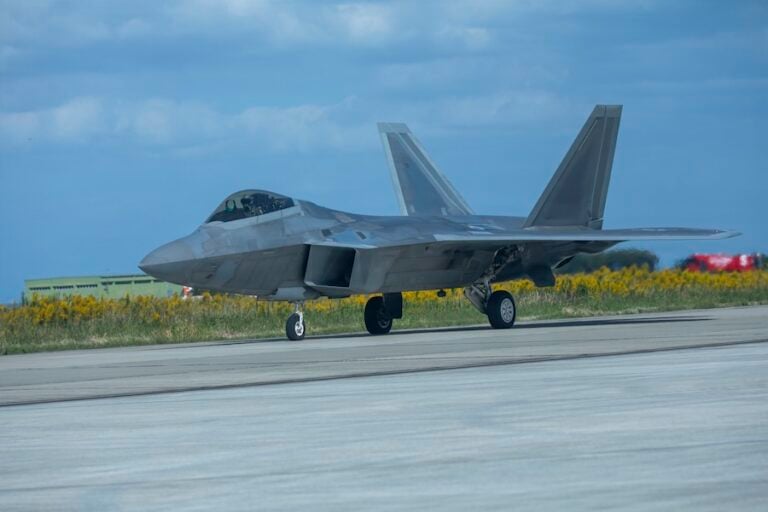
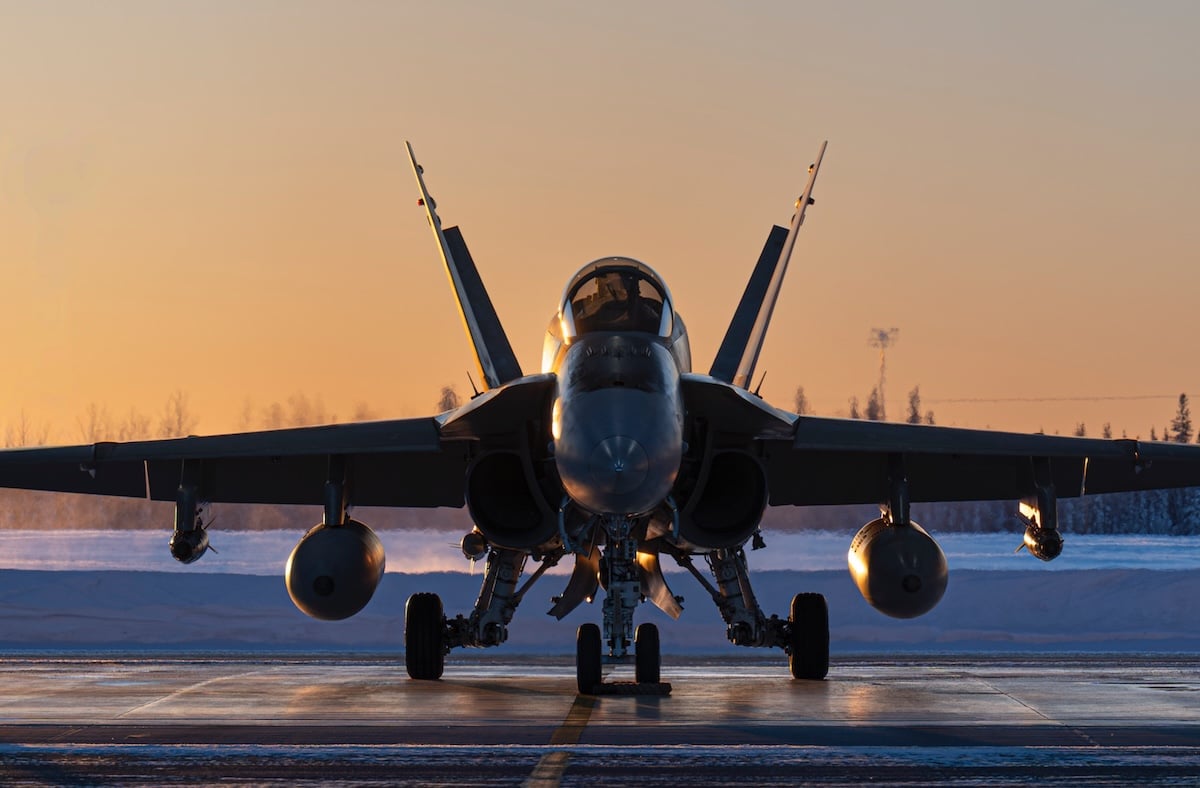
The assessment comes as Canada reviews its 2023 decision to buy 88 F-35s to replace CF-18 fighters that are due to leave operational service in the early 2030s. The review began in March 2025, and the department said Ottawa was considering fourth-generation aircraft for their perceived benefits to domestic industry.
The department warned that operating a mixed fighter fleet would worsen existing personnel shortages. It said Canada also relies on the United States and NATO for airborne early warning and control because it has no aircraft of its own for that role.
Readiness across the services
The department put the Canadian Army’s operational readiness rate at 48% in 2025–26 and said 53.9% of the Royal Canadian Navy’s fleet was serviceable over the same period. It said the condition of the fleet affected Canada’s ability to monitor the maritime approaches to North America.
Only one of Canada’s four Victoria-class submarines was seaworthy at any given time, according to the fact sheet. The department said Canada’s undersea capability would remain limited until its planned fleet of conventional TKMS submarines reached full operational capability.
NATO spending pledge
Canada reached NATO’s previous defense spending goal of 2% of gross domestic product in 2025, nearly two decades after first agreeing to the target at the alliance’s Riga summit in 2006. The department said Canada had consistently spent below 1.5% before 2025, even after reaffirming the 2% goal at the 2014 Wales summit.
At the 2025 NATO summit in The Hague, Ottawa pledged to spend 5% of GDP on defense by 2035, including 3.5% on core defense spending. The department said Canada had yet to lay out how it would pay for that increase and was deferring the largest spending rises needed to meet the pledge until after the 2029 federal election.
The department said it had been working with Ottawa since 2025 to turn additional spending into capabilities that support NORAD and NATO. It argued that Canada’s global commitments had stretched its personnel and equipment and delayed key upgrades, and called for Ottawa to put more of its growing defense budget toward homeland defense and its obligations to both organizations.