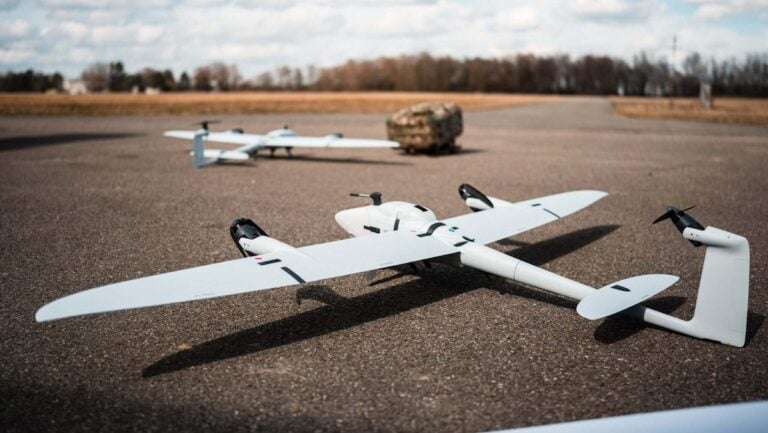

The announcement, issued by Quantum Systems on 23 November, described the engagement as another successful SPYS interception against Russian Geran systems. It did not specify when or where in Ukraine the interception took place, or the target’s speed and altitude during the engagement.
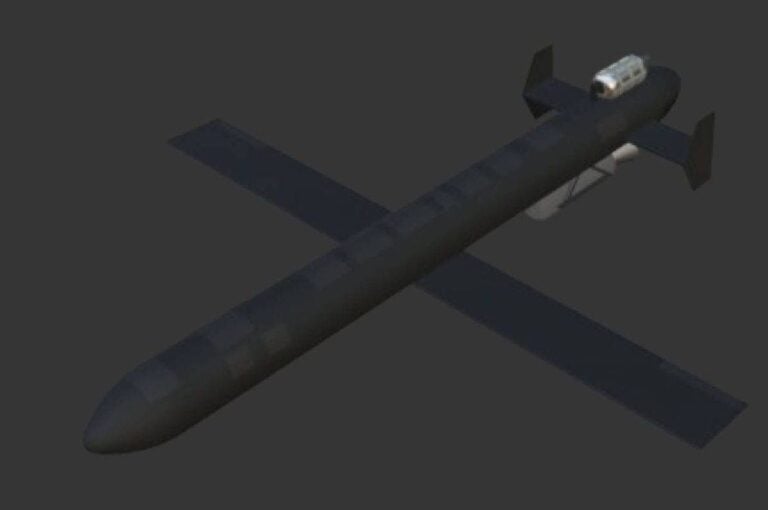
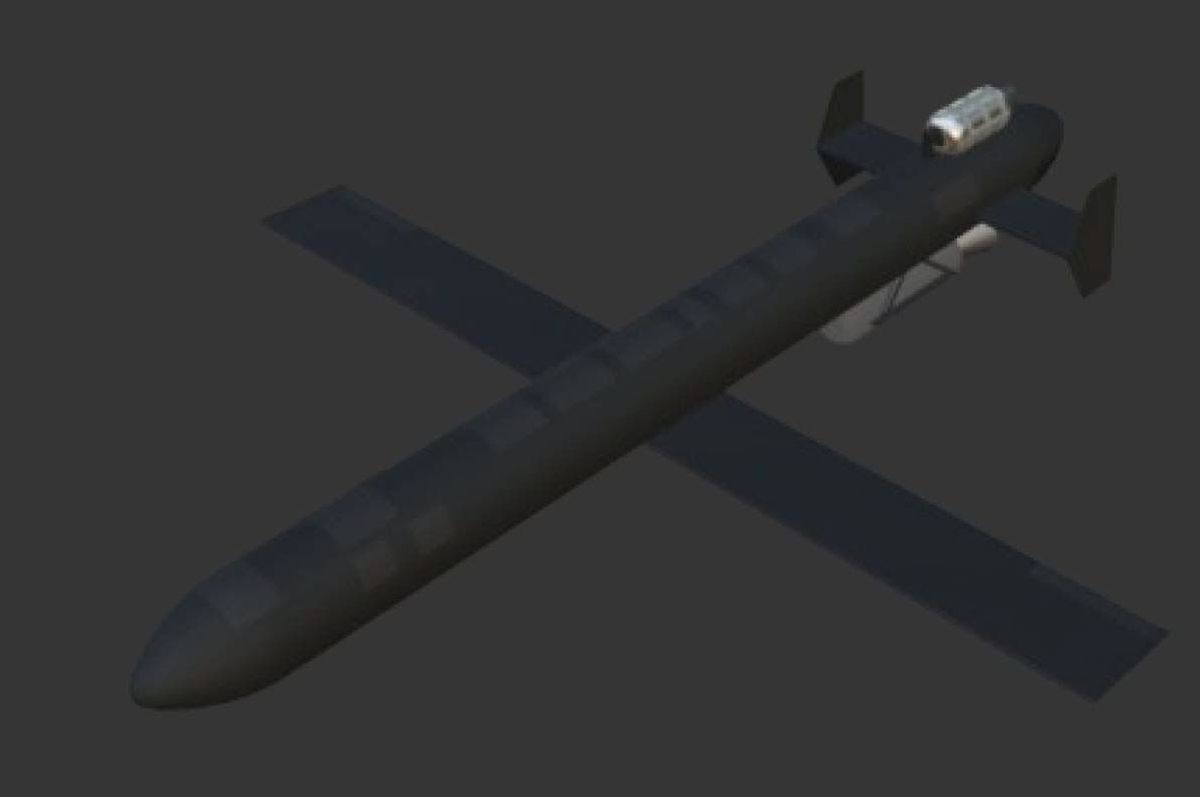
Russia has used the Geran-5 K5-K against Ukrainian cities since early autumn 2026, according to Ukraine’s Defence Intelligence, as cited in the release. The aircraft has a flight ceiling of 6 km and a cruising speed above 450 km/h, with speeds of up to 1,000 km/h possible during certain manoeuvres, the release said.
“We need to keep developing and scaling interceptors to protect Ukrainian cities and critical infrastructure. Russia keeps adapting its attack systems, so we work closely with Ukrainian brigades to adjust our systems accordingly,” said Sven Kruck, Co-CEO of Quantum Systems.
Kruck described successful interceptions as evidence of the importance of that development work. “Successful interceptions show that these efforts are essential,” he said.
“We started with STRILA against earlier Geran models, and SPYS and Skyron are our answers to the latest threats. You can never stand still,” Kruck said.
The programme is part of Quantum Systems’ German-Ukrainian production network, which combines Ukrainian engineering and frontline experience with German industrial capacity. QWI manufactures in Ukraine, where it increased production capacity from hundreds to thousands of units per month during 2026.
The release did not give a precise monthly production figure or specify how much capacity was allocated to SPYS. The increase refers to manufacturing capacity rather than a stated number of interceptors delivered.