The report finds that agreement on defence priorities has not yet translated into a consistently collaborative approach to purchasing equipment. It recommends considering cooperation at the capability planning stage and incorporating it into national programmes and budgets, with projects prepared to draw on EU funding.
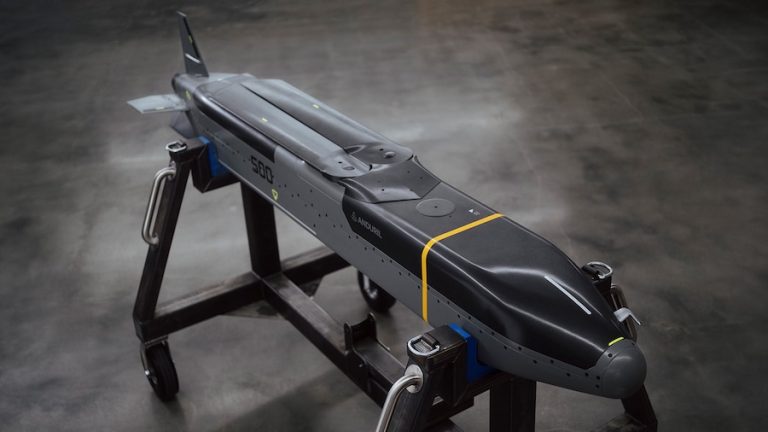
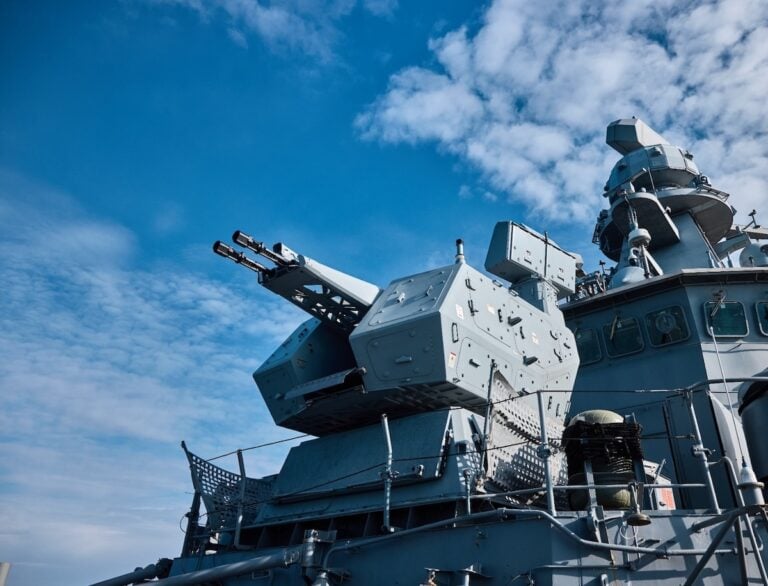
Ministers endorsed opportunities to cooperate on a family of cruise missiles, long-range artillery using multiple launch rocket systems and a family of long-range air defence interceptors. They also backed opportunities involving modular, interoperable unmanned ground vehicles and layered counter-drone systems for force protection and critical infrastructure.
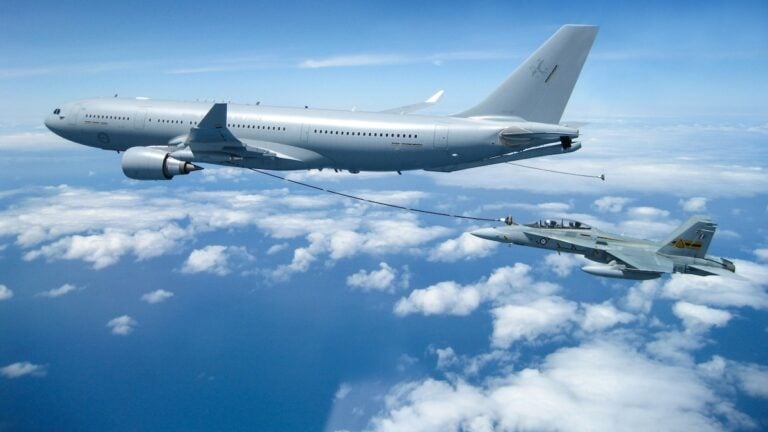
The other three opportunities concern space-based early warning, detection and tracking, a European secure defence cloud and a European approach to strategic air mobility. The European Defence Agency (EDA) identifies these as strategic enablers that allow Europe to decide, act and sustain operations autonomously.
“With CARD, we have identified three collaborative opportunities related to strategic enablers,” said EDA Chief Executive André Denk. “From space-based early warning to strategic air mobility, and a secure, federated defence cloud architecture, these strategic enablers are essential to strengthening Europe’s deterrence and defence capabilities.”
Their scale, cost and dependence on shared architectures and networks make cooperation necessary, the report says. It argues that no single country can develop and support them alone, while access cannot be assumed in every future contingency.
CARD calls for further analysis, stronger member-state involvement and dedicated roadmaps for these capabilities. That work should build on EDA’s activities and Priority Capability Areas, in coherence with NATO.
The report makes five recommendations covering earlier cooperation, planning beyond 2030, joint work on strategic enablers, the full process of capability development and faster adoption of innovation. It stresses that buying equipment is only part of delivering forces that can deploy and operate effectively.
Personnel, training, doctrine, logistics, sustainment and interoperability increasingly determine how much defence investment becomes usable capability. Shared training capacity, common information-sharing architectures and integration of sensors with command and control offer opportunities that can be delivered faster than large programmes.
The review also identifies delays between promising technological results and operational use. It attributes those delays to experimentation, requirements and acquisition being managed too sequentially and calls for innovation to reach the field faster.
Immediate readiness requirements must be balanced with investment in medium- and long-term needs beyond 2030. The report warns that underinvestment may become visible only after several planning cycles, when correcting it would take considerable time and money.
More systematic cooperation would give manufacturers clearer and more predictable demand, supporting production at scale and reducing supply-chain dependencies. Delivering that cooperation also requires stronger intergovernmental support for joint acquisition, capability development and research.
EDA’s strengthening process is intended to provide that support and help CARD and Permanent Structured Cooperation (PESCO) deliver results. EU incentives, including the European Defence Industry Programme, would support those efforts.
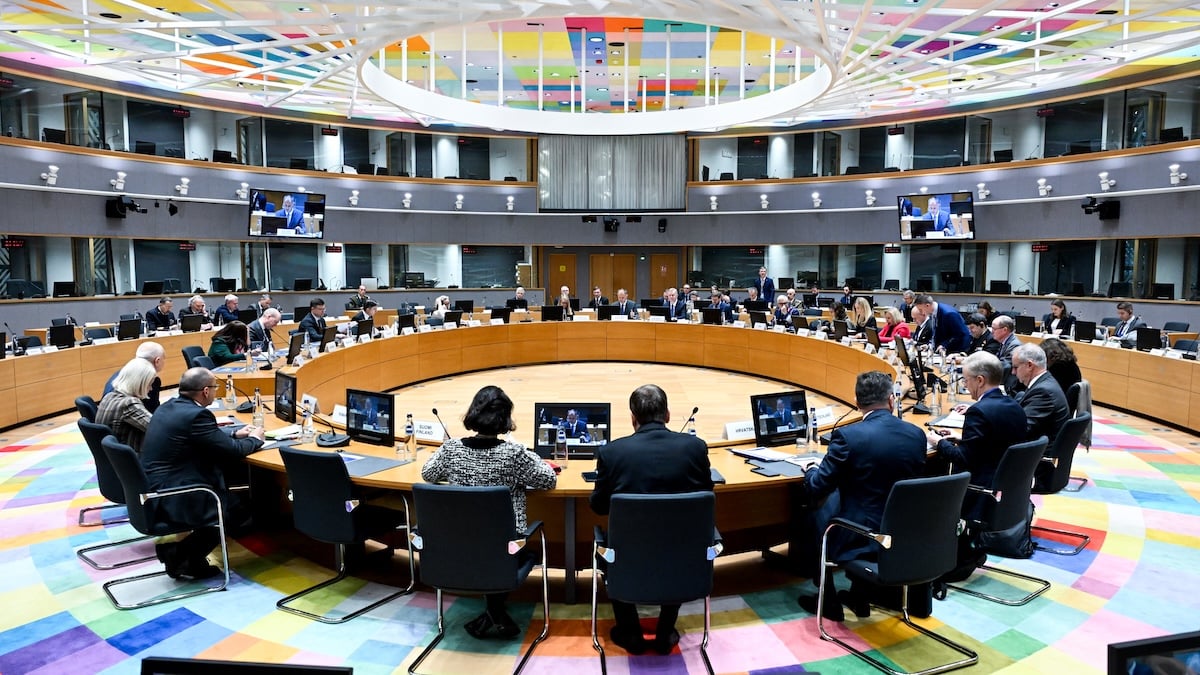
At the 17 November EDA Steering Board, ministers also endorsed a joint statement on defence security of supply. They agreed to increase the agency’s budget.
EDA prepared the report in coordination with the European External Action Service and the EU Military Staff. It is the final deliverable of the fourth CARD cycle, covering 2025–2026.
Go deeper: full report.