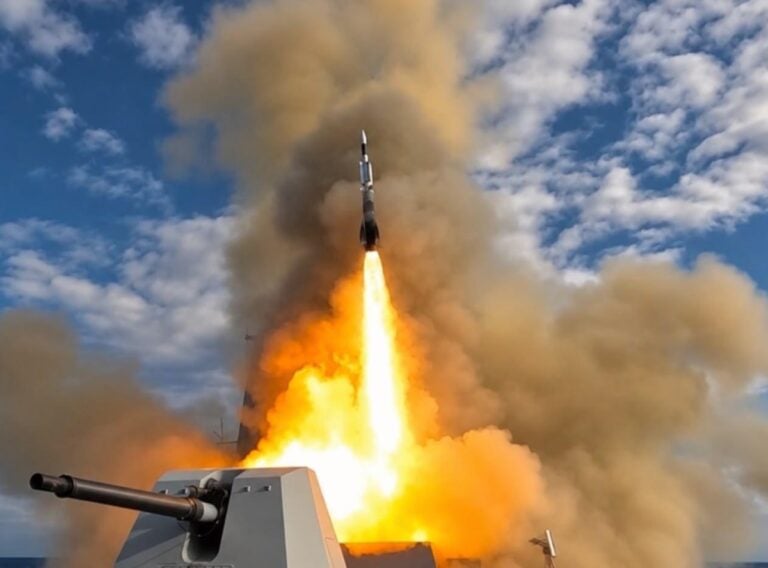

The high-speed target aircraft flew a low-altitude manoeuvring profile intended to represent threats posed by drones and cruise missiles. Aselsan presented the engagement as a demonstration of close-in defence against small, fast-moving and manoeuvrable aerial targets.
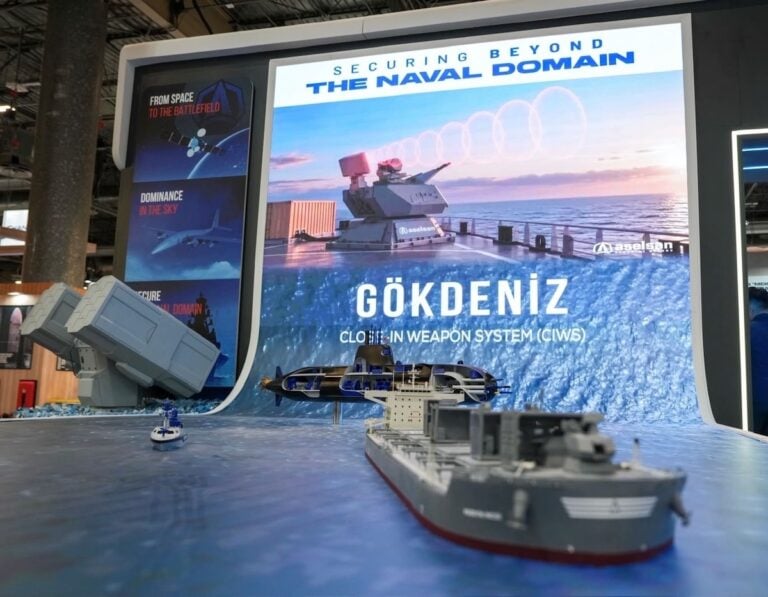
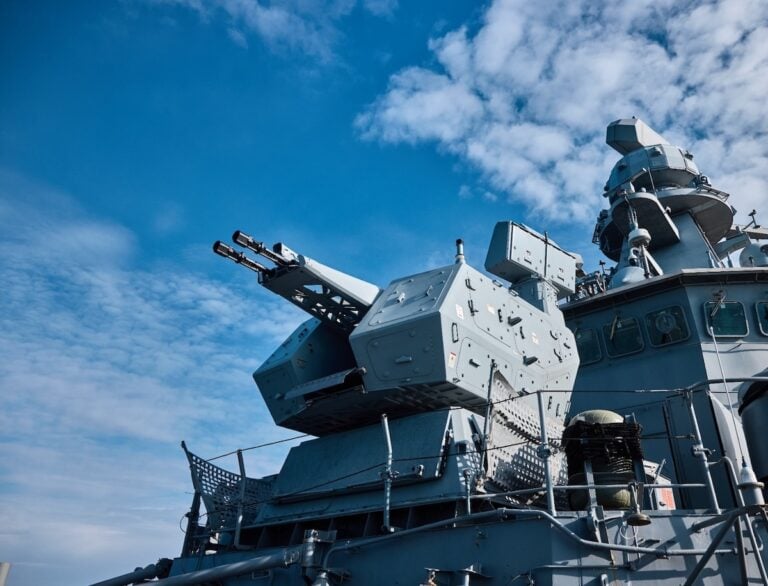
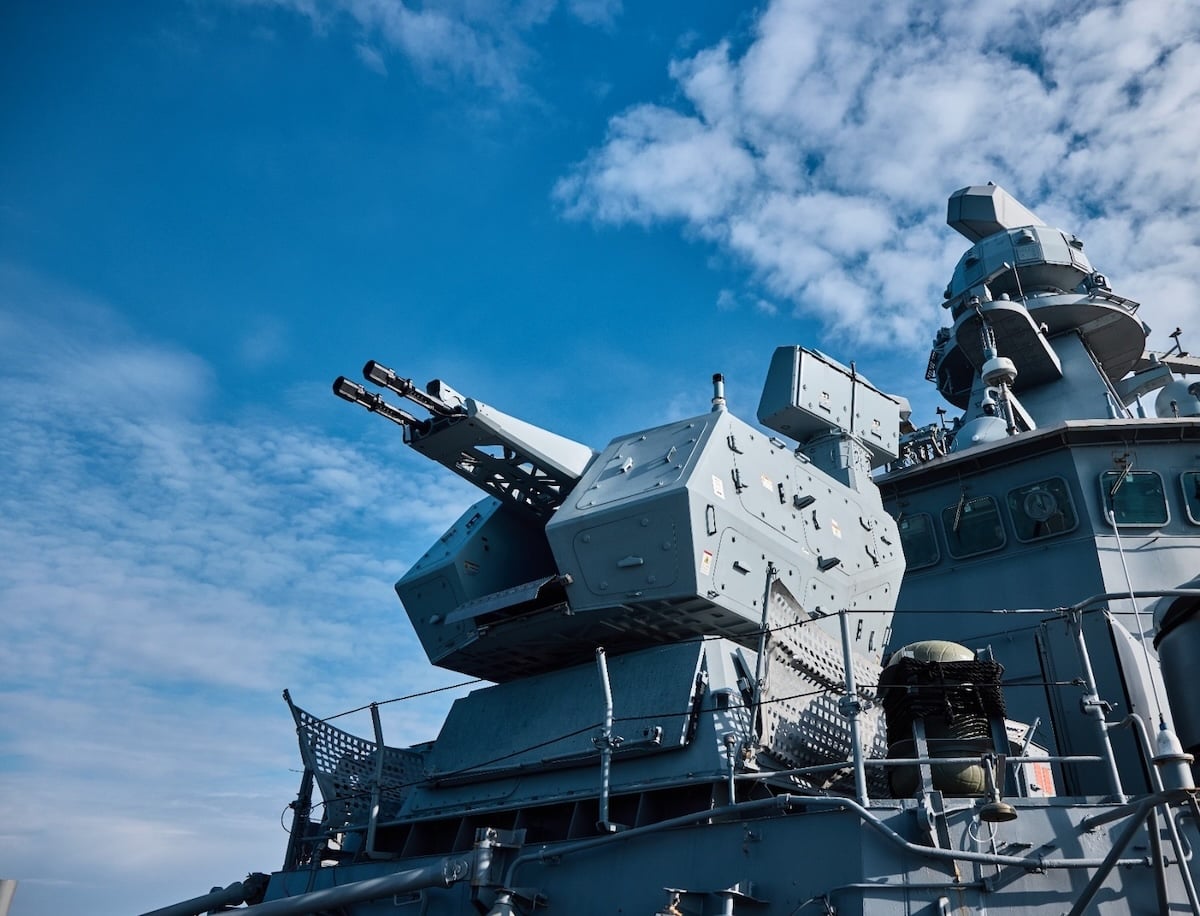
GÖKDENİZ is the naval configuration of the company’s KORKUT air defence system. It combines sensors and a rapid-response weapon system to provide a close-in defensive layer against aerial threats, including anti-ship missiles.
The demonstration used semi-autonomous operation, with automatic detection and tracking followed by an operator authorising fire through a single button press. Aselsan says this mode also includes automatic target prioritisation for multiple engagements.
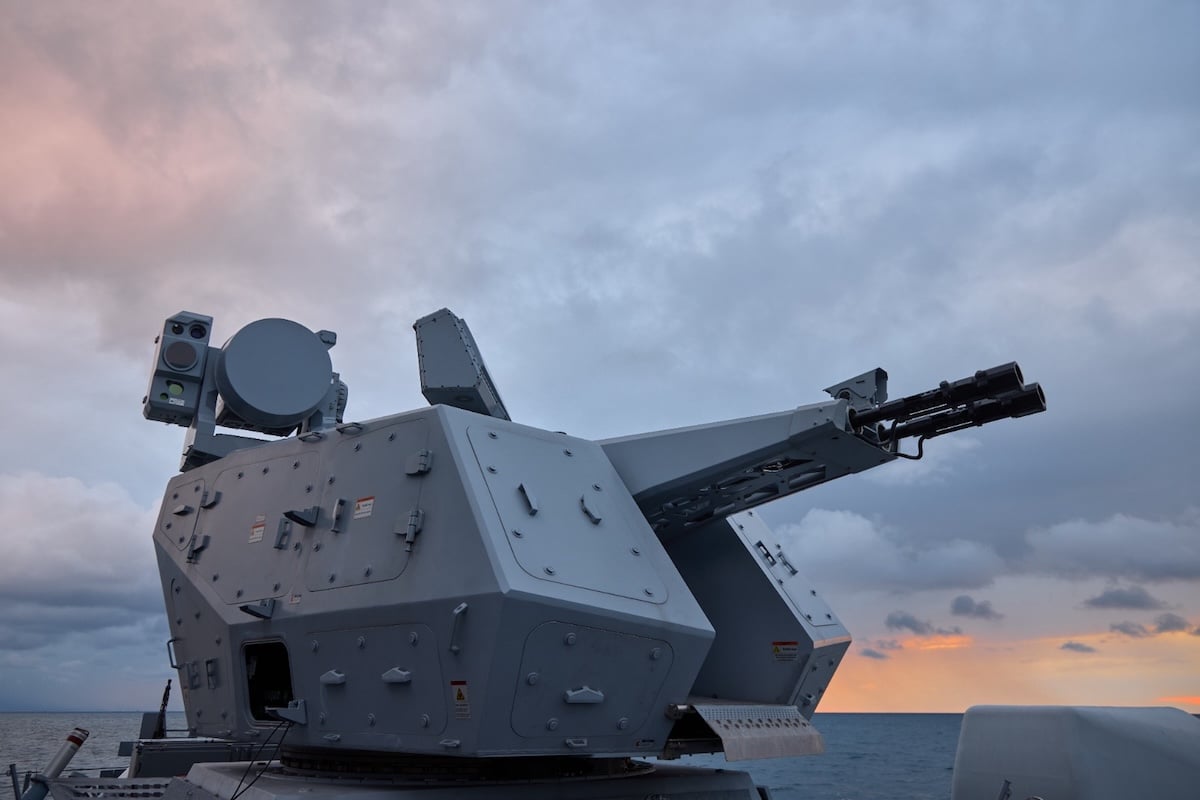
The company says automation reduces reaction time when ships face threats requiring an immediate response. In the engagement described, the operator retained firing authority while the system handled the preceding detection and tracking tasks.
GÖKDENİZ also has a fully autonomous mode that can complete the entire engagement sequence, including firing for multiple-target interception, according to Aselsan. The company described that function alongside the semi-autonomous mode used in the live-fire event.

Aselsan recently introduced a deployable, containerised GÖKDENİZ configuration at Euronaval. The version is intended to offer flexible installation options and extend the system’s use beyond conventional military vessels.
The company says the containerised configuration can also provide close-in protection for commercial ships. That broadens its proposed role to include other maritime assets exposed to emerging aerial threats.