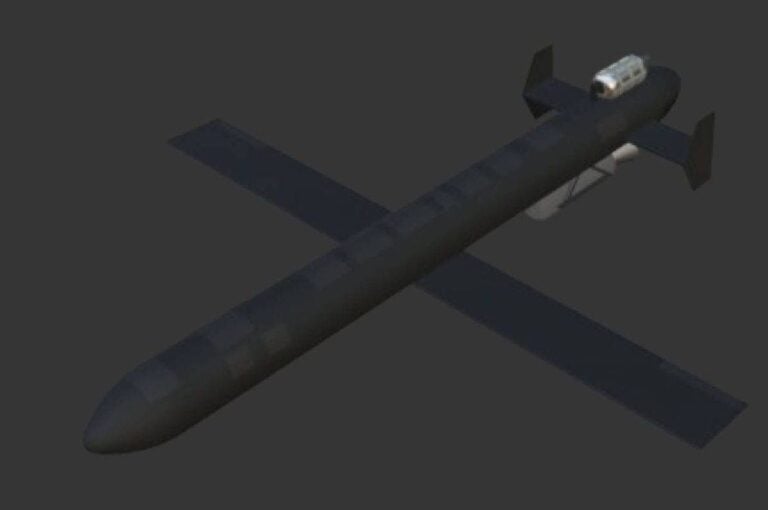
Pilots’ attention and training were focused entirely on the prospect of fighting crewed aircraft. Yet encounters between crewed aircraft had been rare for decades. At the time, no one anticipated the turning point that would come in April 2024. Iran launched a large-scale retaliatory air attack, with multiple waves heading towards Israel at the same time. This first coordinated attack involving around 300 airborne weapons, including one-way attack drones, cruise missiles and ballistic missiles, gave everyone involved in the allied counter-drone mission plenty to think about.
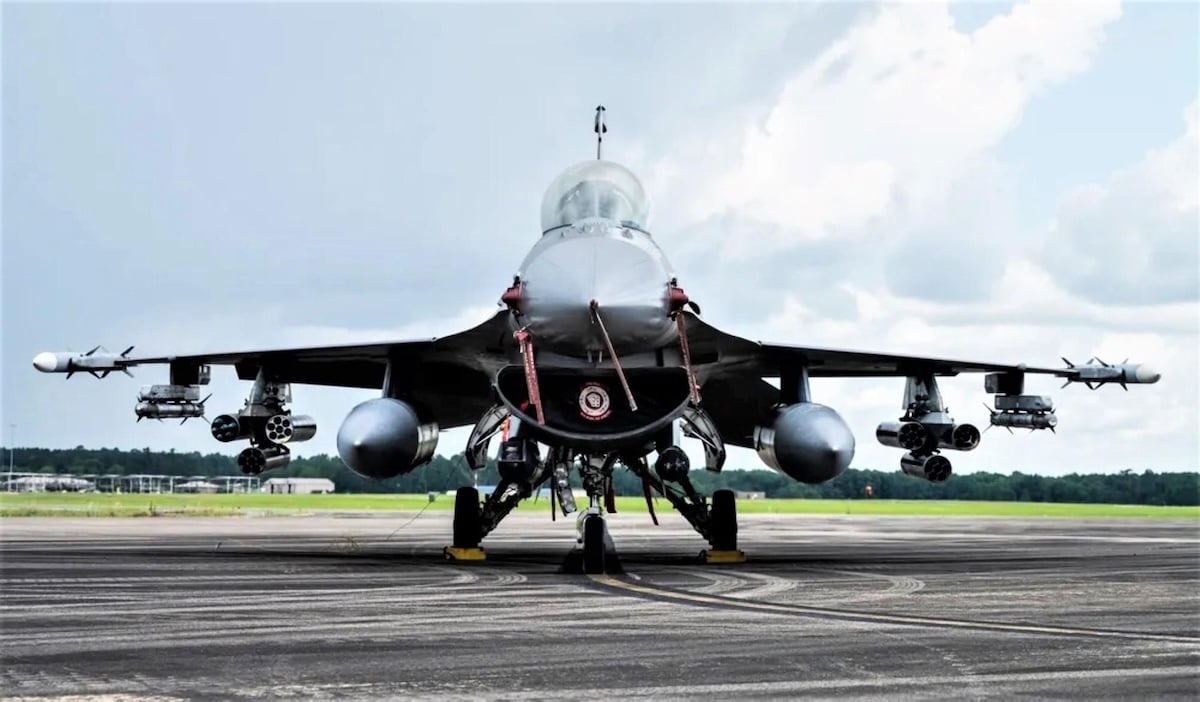
The attack revealed that the allies defending Israel lacked weapons suited to the scale of the threat. The unexpected barrage called for an urgent rethink of how to counter drones and missiles, and for fighter aircraft to be equipped to engage more targets in a single sortie. It was already clear that a fighter loadout of up to four air-to-air missiles and a cannon was no longer sufficient. Without prior training in firing the cannon at very slow drones at low altitude, attempts to use it that night were bound to fail. The fighters were too fast, and firing a cannon at low-flying drones and cruise missiles was dangerous for pilots.
Pilots had not trained for an attack of this scale. Most previous encounters between fighters and drones had been one-sided, given the advantage a fighter gained from its precision-guided missiles. In such an encounter, the fighter could easily shoot down a single drone. Although Iran and its allies were known to be developing increasingly capable drones for long-range one-way attacks, the prospect of a mass raid had received little serious consideration.
The April barrage made it necessary to find a weapon better suited to the scale of the task, giving fighter pilots more opportunities to engage targets in a single sortie. The Air Force moved quickly, avoiding the lengthy procurement programmes that had characterised earlier USAF efforts. In this case, the solution required little bureaucracy and consisted of adapting a familiar unguided air-to-ground weapon carried in pods holding seven 70 mm rockets each. An aircraft can now carry up to six pods. The weapon was adapted for air-to-air use and equipped with new laser-guidance technology, the Distributed Aperture Semi-Active Laser Seeker (DASALS), for precision engagements. Laser guidance had already been used in other applications. The system, which comprises several components, is known as the Advanced Precision Kill Weapon System II (APKWS II). BAE Systems manufactures the kits.
With a guidance module fitted to the middle of the Hydra rocket body and four sensors in the tips of its deployable fins, fighters on patrol in the Middle East gained the ability to engage multiple drones and missiles during a mass raid. This is now essential and economical equipment for aircraft on patrol in areas where large numbers of inexpensive, simple airborne weapons may be launched at once. A growing number of fixed-wing aircraft and helicopters can use this new type of weapon, which is considerably cheaper than standard counter-drone weapons. An agreement was recently signed with the US Department of War to produce 35,000 APKWS II units annually, including 25,000 for the US military. This will allow deliveries to increase quickly in response to changing operational needs.
About the author
Col. (Ret.) Józef M. Brzezina, a former Polish Air Force officer, is a defense writer and analyst with more than 25 years of experience contributing to leading military publications and online outlets. His work focuses on unmanned aircraft systems (UAS), manned combat aviation, and the employment of weapons and military equipment in modern armed conflict.