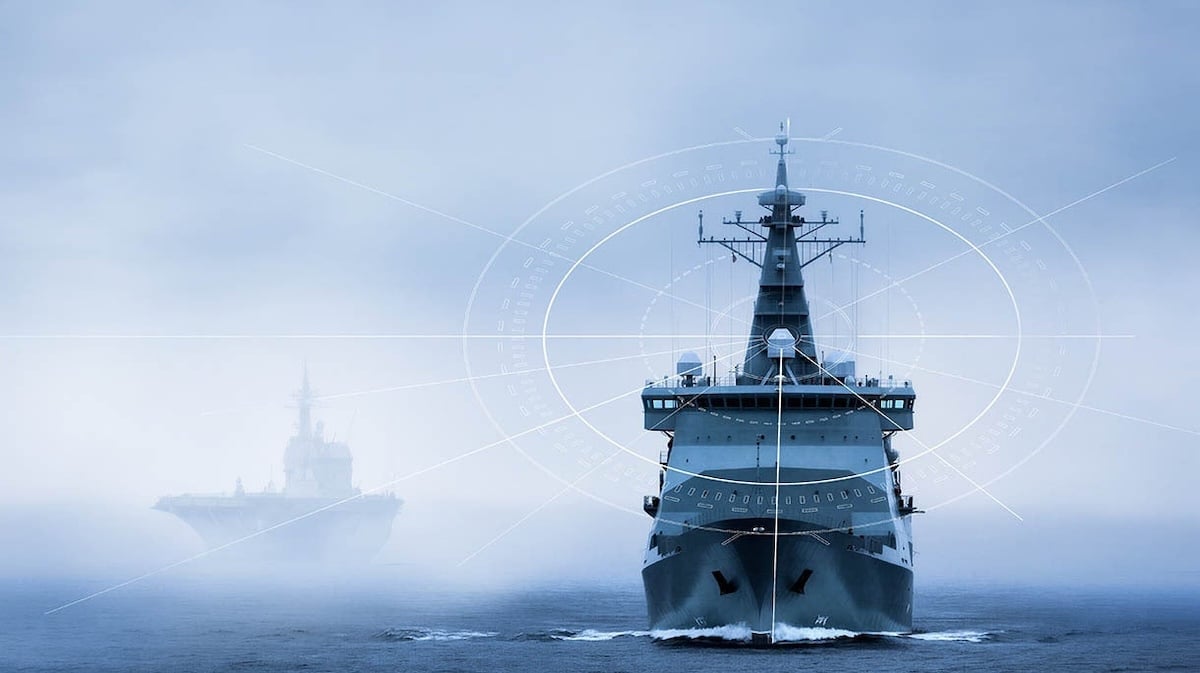
ReconneX uses a common digital architecture configurable for maritime, coastal, land and unmanned operations. It can integrate with customers’ existing networks and mission systems, allowing forces to extend sensing coverage as requirements grow, according to L3Harris.
“ReconneX is designed to fuse passive RF detections from across the network into more persistent tracks and sharper geolocation, then deliver that awareness directly to operators and mission systems,” said Patrick Creighton, vice president of L3Harris’ Electronic Warfare Division. “Commanders gain an earlier and clearer understanding of EW activity in their area, while the force maintains passive awareness across the command and control.”
The company identified contested coastal environments as an area where persistent sensing is particularly important. Operators need to follow emitters over time, verify contacts and support emissions control while monitoring targets that may be difficult to track.
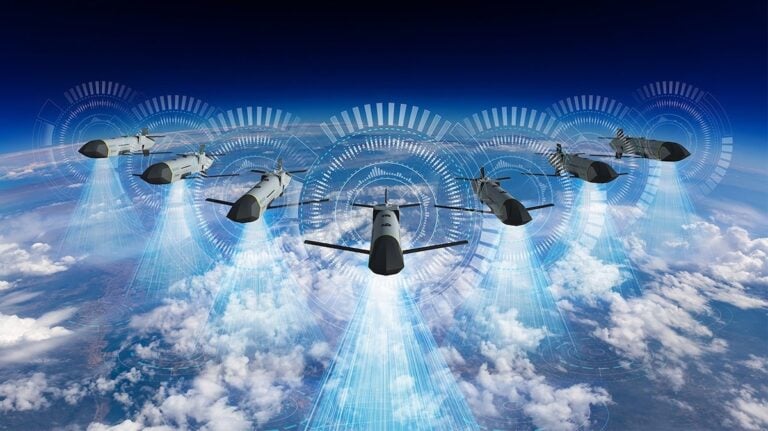
L3Harris said combining detections from multiple sensors improves tracking continuity and confidence in the resulting operational picture. Distributed Spectrum Collaboration and Operations, or DiSCO-enabled connectivity, supports information sharing between connected systems and users.
“Today’s mission sets require a faster, clearer understanding of activity in the electromagnetic environment,” said Shawn Miller, president of Spectrum Superiority within L3Harris’ Communications & Spectrum Dominance business. “Whether supporting maritime surveillance, border security, counter-UAS or force protection, the goal remains the same: helping operators detect, monitor and respond to threats with greater confidence.”