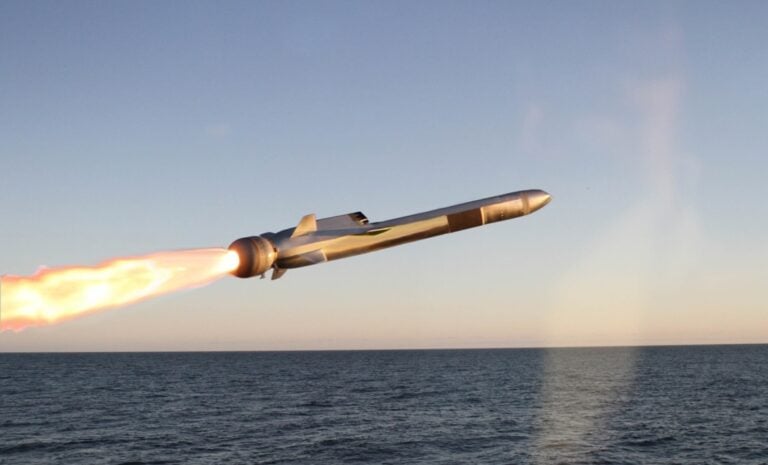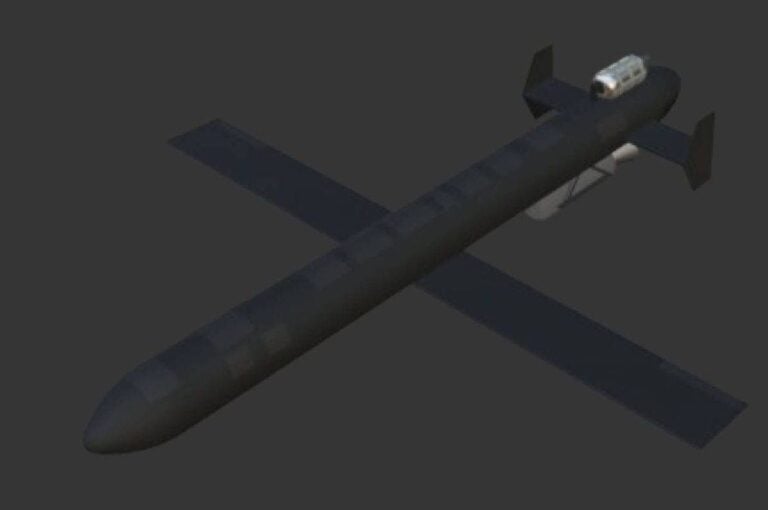
The Marines are examining the upgrade as they prepare to operate in smaller, dispersed units across the Indo-Pacific under the service’s Force Design programme. The Marine Corps has yet to disclose how much work the upgrade would require, what it would cost or when it could be ready.
Kongsberg quoted a range of more than 185 km for the original missile, while the Block 1A version had a stated range of about 250 km. The Norwegian company now quotes more than 300 km in its product literature.
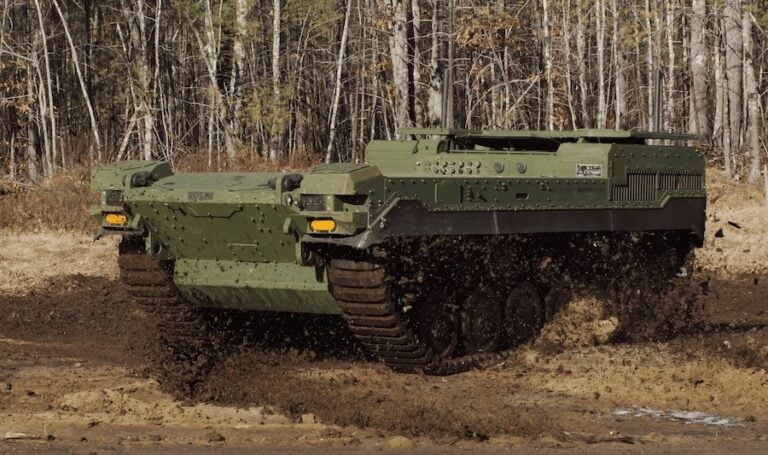
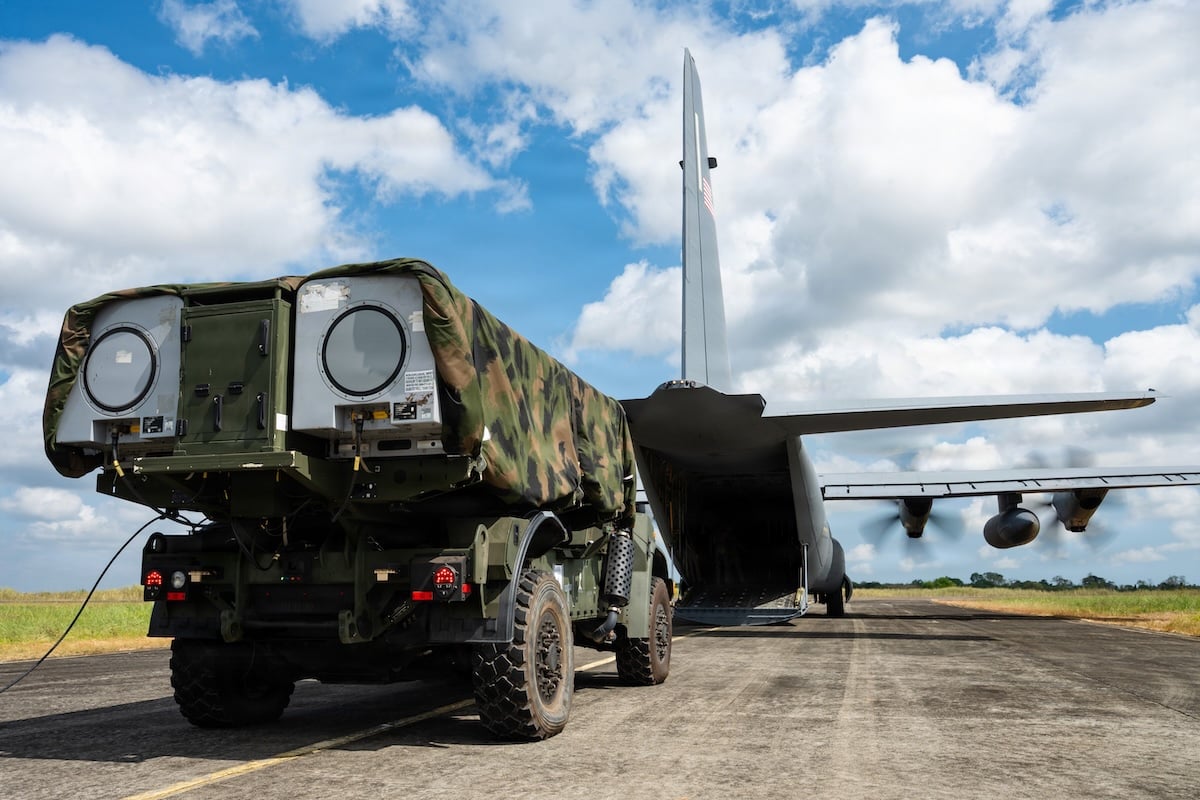
The Marines fire the missile from a mobile, land-based system known as the Navy-Marine Expeditionary Ship Interdiction System, or NMESIS. The first test firing took place in November 2020, and the service demonstrated the system at Large Scale Exercise 21 in August 2021.
The 3rd Marine Littoral Regiment in Hawaii received NMESIS in November 2024, followed by the 12th Marine Littoral Regiment on Okinawa in June 2026. The Marines demonstrated how they could move the system during Balikatan 2026 in the Philippines and Keen Sword 27 in Japan.
Force Design is intended to give Marine units more independence in maritime operations and improve their ability to support the U.S. Navy. The programme also calls for closer cooperation with other U.S. military services on maritime surveillance and information sharing.
Source: TWZ.