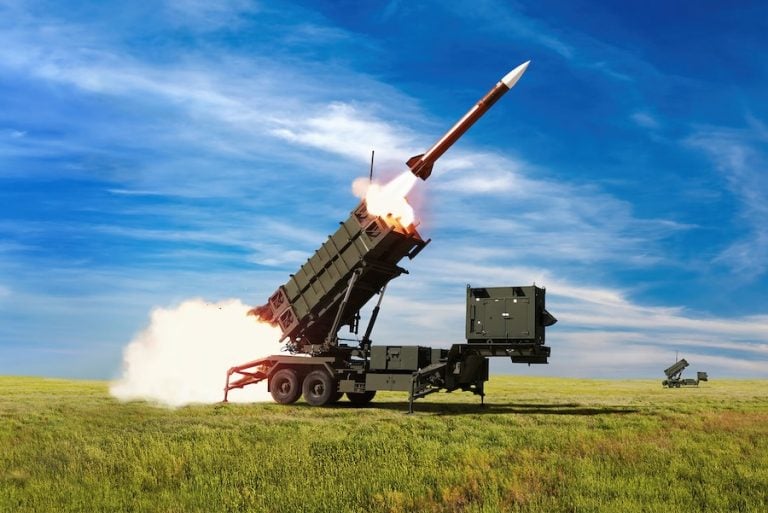

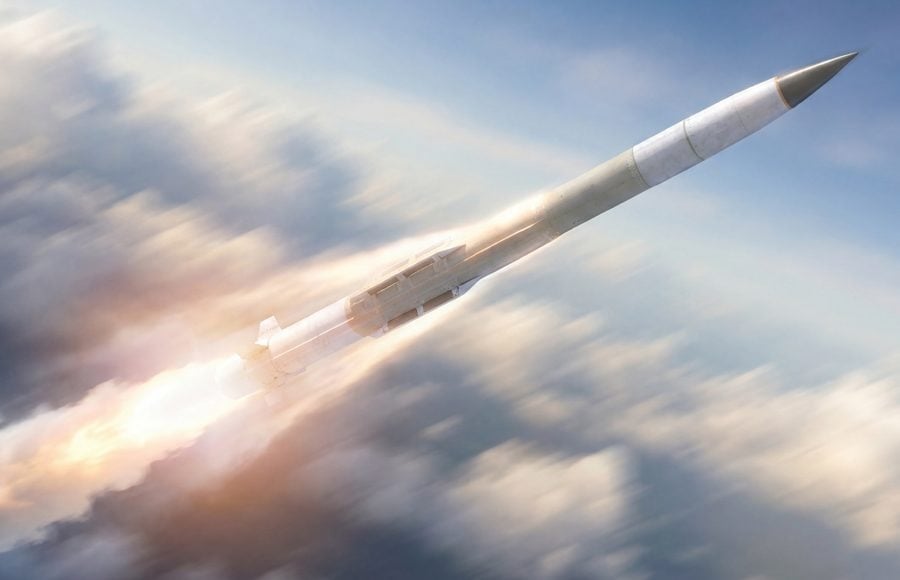
The company is working with the Department of War through commercial-style agreements covering PAC-3 Missile Segment Enhancement, Terminal High Altitude Area Defense, Precision Strike Missile and Joint Advanced Tactical Missile production. The multiyear arrangements are intended to provide Lockheed Martin and its suppliers with the demand certainty needed to invest early and increase output.
The strategy extends beyond final assembly lines to raw materials, critical components and specialist suppliers. Lockheed Martin said each part of the production system must expand at the same pace to support higher delivery rates.
“We are moving with wartime urgency to deliver the Arsenal of Freedom,” said Tim Cahill, president of Lockheed Martin Missiles and Fire Control. “The pressure on our American forces is real, and we are sparing no effort in terms of the dollars we’re investing, the people we’re hiring, the facilities we’re building, and the speed and collaboration we are demanding from our suppliers.”
The Department of War has also signed framework agreements with L3Harris, Boeing, BAE Systems, Northrop Grumman and General Dynamics. Those arrangements are designed to establish production rates, shorten lead times and introduce commercial practices into defense manufacturing.
Lockheed Martin holds monthly strategic discussions with suppliers to maintain the focus on production speed and scale. The company said the collaboration is already producing measurable gains in manufacturing capacity, cost and cycle times.
Work with thermal-battery supplier EnerSys is expected to increase production capacity by more than 130% over the next six months. The companies also reduced the cost of that expansion by 21%.
Updated materials and manufacturing processes have cut the curing time for sealant used on missile canisters by 12 hours. Lockheed Martin said the change has shortened production cycles and increased unit-assembly rates.
The company and its suppliers have also addressed a longstanding production-line bottleneck through process improvements. Lockheed Martin said the changes would enable substantially higher delivery volumes in the future.
The group is also seeking partners outside the traditional defense industry to reduce lead times. GM Defense delivered its first mission-critical PAC-3 MSE components less than one month after signing a formal contract with Lockheed Martin.
Lockheed Martin said expanding final assembly alone would not be enough to meet the required production targets. Its investment therefore covers its own factories and workforce as well as suppliers, commercial partnerships, processes and technologies across the wider industrial base.