
The work is intended to accelerate the development, testing and integration of SBI capabilities. It aims to provide an early engagement layer that expands coverage, enhances survivability and strengthens deterrence against emerging missile threats.
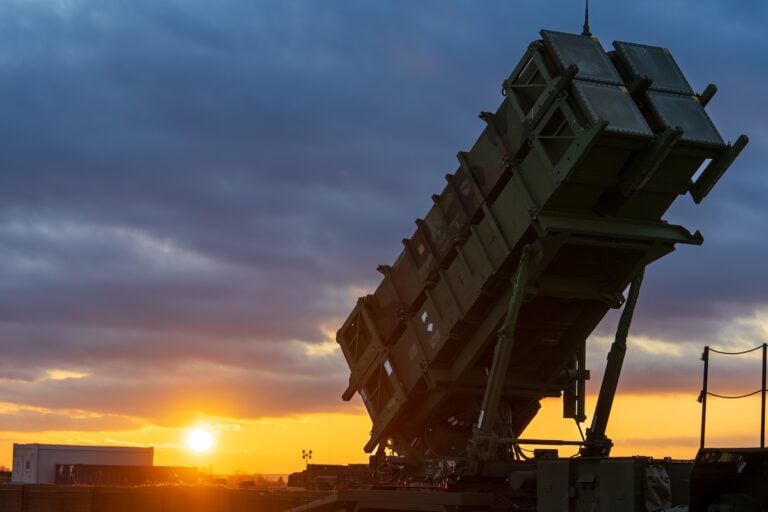
Lockheed Martin said its SBI system builds on experience with combat-proven interceptors such as THAAD and PAC-3, as well as the Next Generation Interceptor. The system also draws on capabilities in hypersonic strike and missile warning and tracking systems.
The company described the effort as adding an early, additional layer to a multi-domain defensive shield designed to protect the homeland and critical infrastructure. This layered approach is intended to address evolving missile threats with broader and more resilient coverage.
“Lockheed Martin is already making next generation integrated air and missile defense a reality with our proven capabilities and the expertise across our entire network,” said Robert Lightfoot, president of Lockheed Martin Space. “We’re investing in technology and infrastructure, while bringing together the strength of the full industrial base, to deliver advanced capabilities like SBI faster and are committed to delivering an integrated demonstration by 2028.”