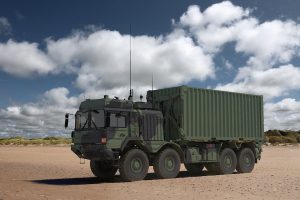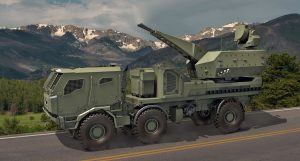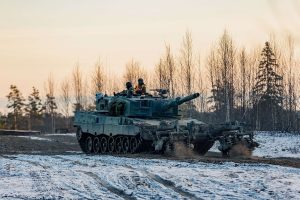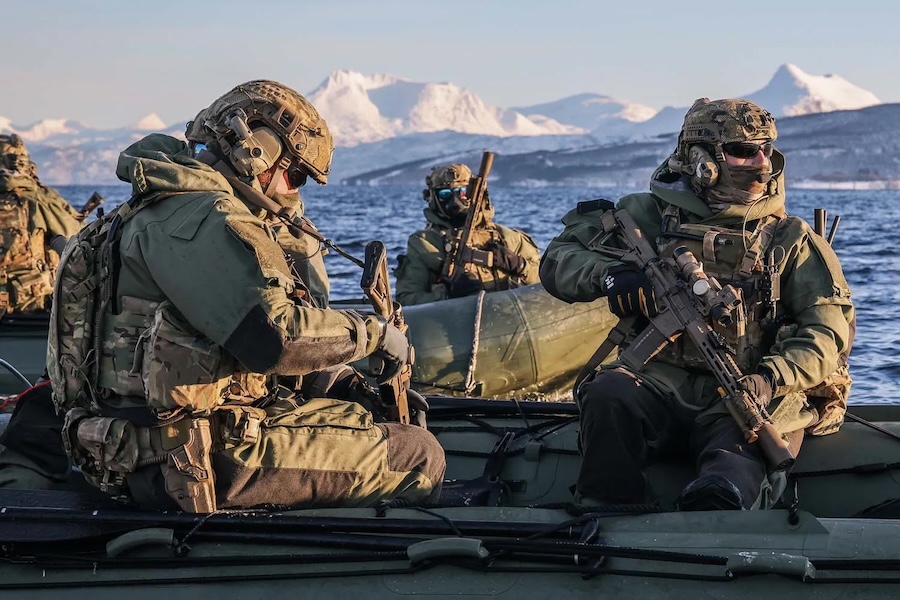



The tests were carried out over several weeks by the Mercedes-Benz Special Trucks team to verify reliable operational capability in harsh winter environments. According to the company, the vehicles were required to demonstrate performance across a range of demanding scenarios.
Dennis Kinzelmann, CEO Mercedes-Benz Special Trucks, said: “Our customers, such as Lithuania, Canada, and Ukraine, depend on vehicles that work anytime, anywhere – even in the icy winters of northern latitudes. To meet this demand, we put our vehicles through very demanding tasks in extremely cold and wintry conditions, which they once again completed successfully.”
The programme assessed traction and driving stability on icy roads, low-temperature performance and overall winter operational reliability. Daimler Truck stated that the Zetros series demonstrated stable handling and full compliance with all technical parameters during the tests.
As part of the trials, the vehicles underwent cold-start procedures at minus 40 degrees Celsius in a dedicated cold chamber. Electronic Stability Programme tests were also conducted on ice and snow to evaluate the system’s ability to prevent skidding and improve stability on slippery surfaces.
Engineers carried out extensive braking tests on different surfaces and under varying traction conditions. Both unloaded and fully loaded vehicles were tested, including scenarios in which wheels on one side ran on ice sheets or loose gravel to simulate extreme situations.
Further assessments included kerosene operation and evaluation of the tyre pressure control system, which increases tyre contact area on snow by adjusting air pressure. Additional measurements covered mechatronics, software and safety systems, emissions and exhaust aftertreatment, engine and transmission optimisation, cab air conditioning and auxiliary heating performance at very low temperatures.
In addition to the Zetros, other Mercedes-Benz models were also tested in the Arctic conditions. These included the Unimog, the Econic and the eArocs 400, all of which completed the programme successfully.