The report states that the U.S. military lacks the post-Cold War combat aircraft capacity to conduct deep strikes and deny operational sanctuary to China and its People’s Liberation Army. The Air Force is “losing its ability to prevent the PLA from generating long-range air and missile attacks from operational sanctuaries within China,” the report said.
According to the study, the shortfall is weakening deterrence and would hinder the United States’ ability to prevail if conflict erupts. It criticizes the Pentagon’s current strategy as limited to denying a rapid Chinese takeover of Taiwan, arguing that such an approach “will not deter Chinese aggression.”
The report calls for a broader warfighting strategy that includes airstrikes aimed at eroding and collapsing China’s capacity to sustain high-density threat bastions across air, land and sea domains over extended ranges from the mainland. “A strong offense is the best defense, and a war-winning U.S. campaign must include strategic attacks against China’s military leadership, command and control, and long-range combat forces that now threaten the U.S. military’s ability to operate effectively in the Western Pacific,” the report said.
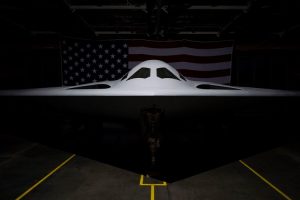
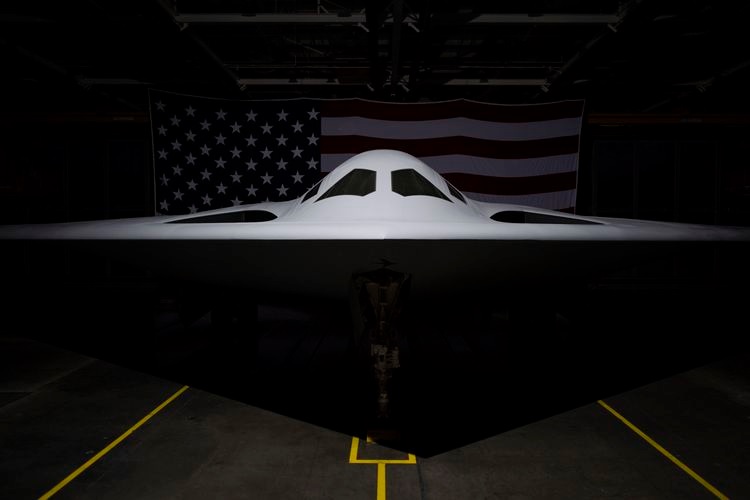
It contends that decades of force reductions and deferred modernization have left American forces unable to deny inland sanctuaries for Chinese missile and air units, reducing fleets of long-range stealth bombers. To address the gap, the report urges the Air Force to rebuild its sanctuary denial capability by producing at least 200 B-21 bombers as quickly as possible.
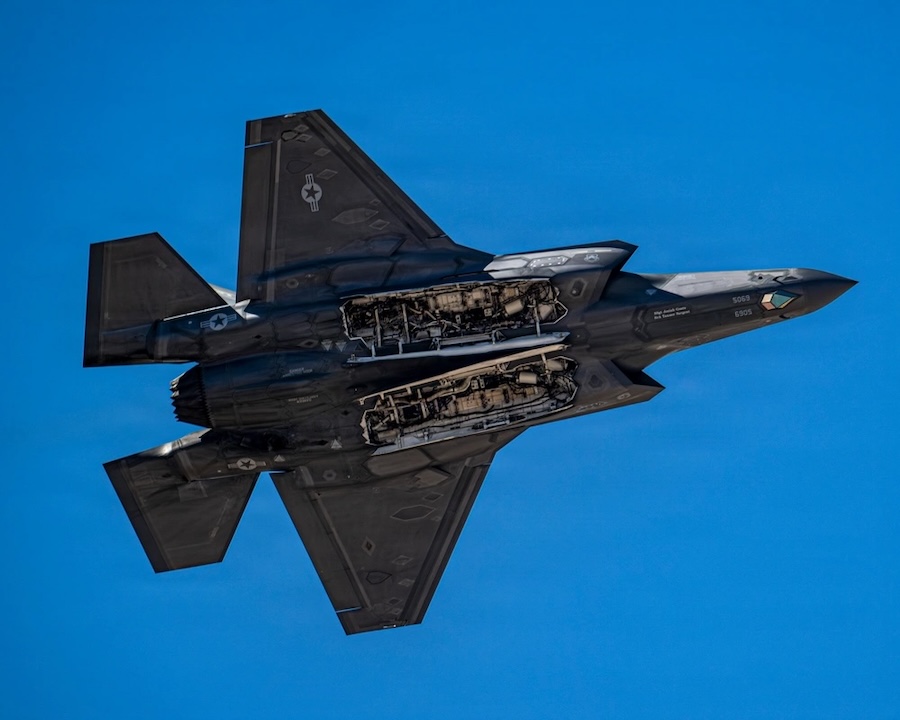
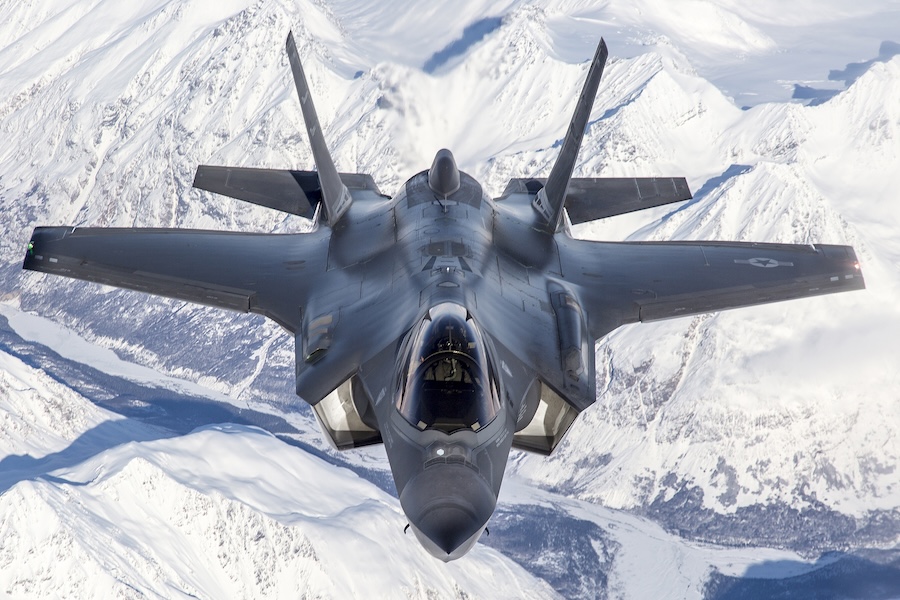
“B-21s in sufficient numbers are necessary to seize the operational advantage in a conflict with China,” the report said. It also recommends procuring at least 300 sixth-generation F-47 jets, stating, “At that force size, the F-47’s longer range, larger payload, and all-aspect, wideband low observability may provide the Air Force a combat advantage against China’s formidable [integrated air defense systems].”
“F-47s and B-21s in combination will be able to strike any target on China’s mainland to deny sanctuary and eliminate capabilities critical to the PLA’s air and missile forces,” the report added. Until the B-21 enters full production, it said, the Air Force should not retire any existing B-2 bombers, currently the only stealth aircraft capable of penetrating high-density air defenses and striking the most difficult mobile, fixed, hardened or deeply buried targets.
“The Air Force must size and shape its forces to defeat Chinese aggression while simultaneously defending the U.S. homeland and deterring nuclear attacks,” the report concluded. “It cannot do so at acceptable levels of risk with its current force mix and inventory.”
Source: Washington Times.