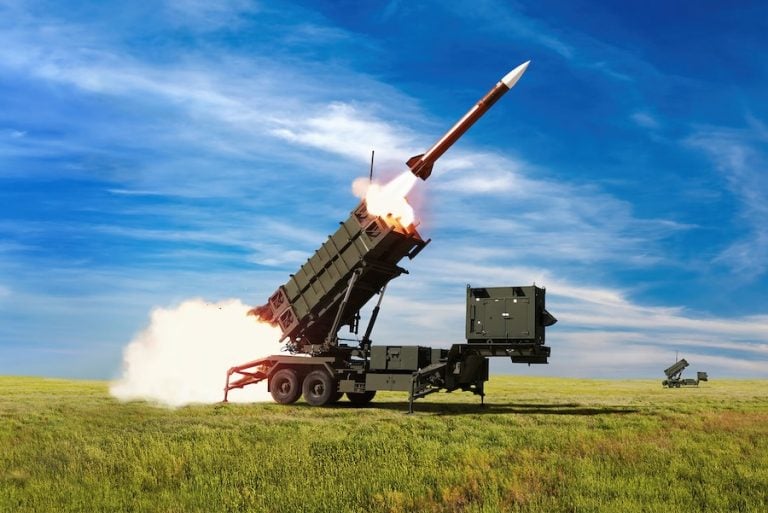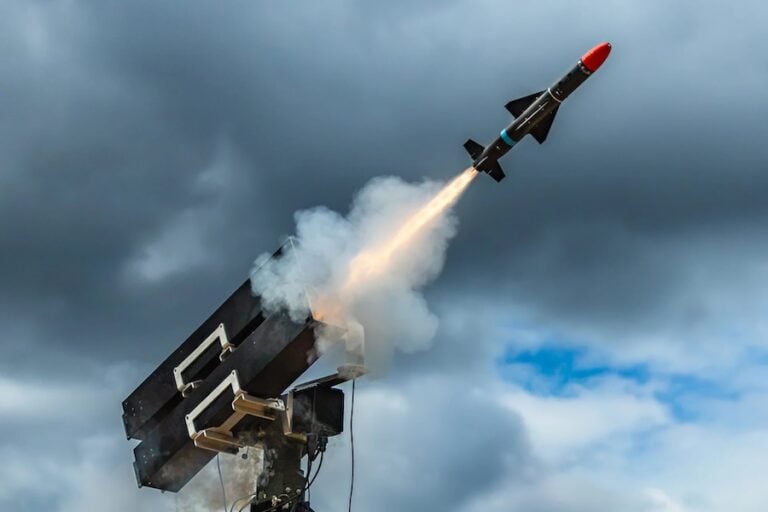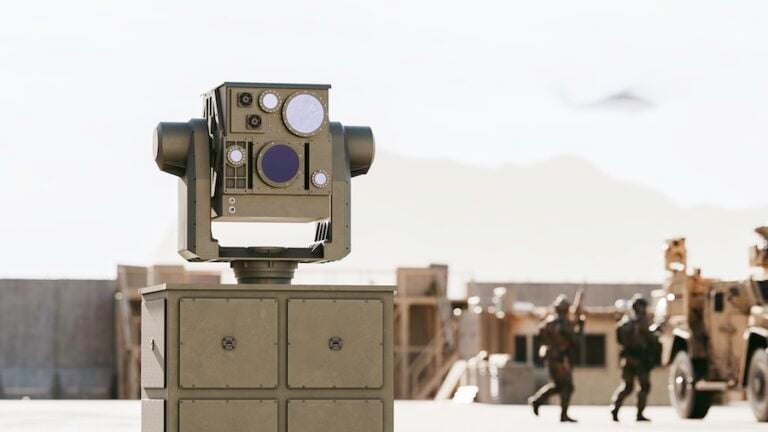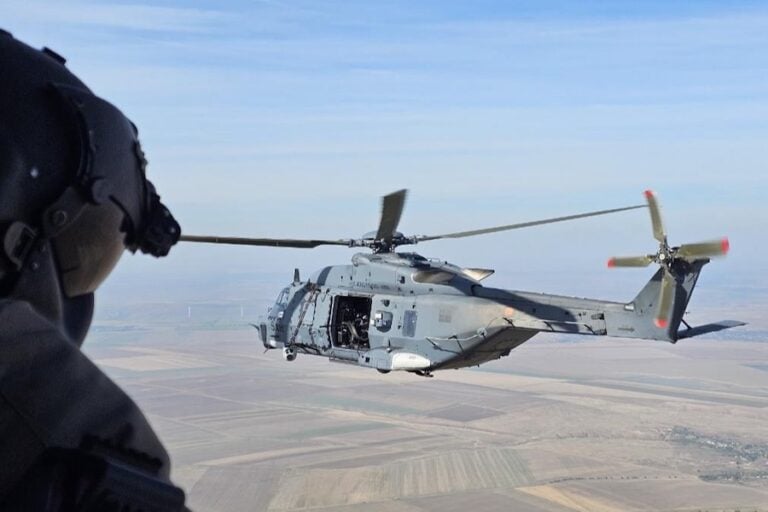
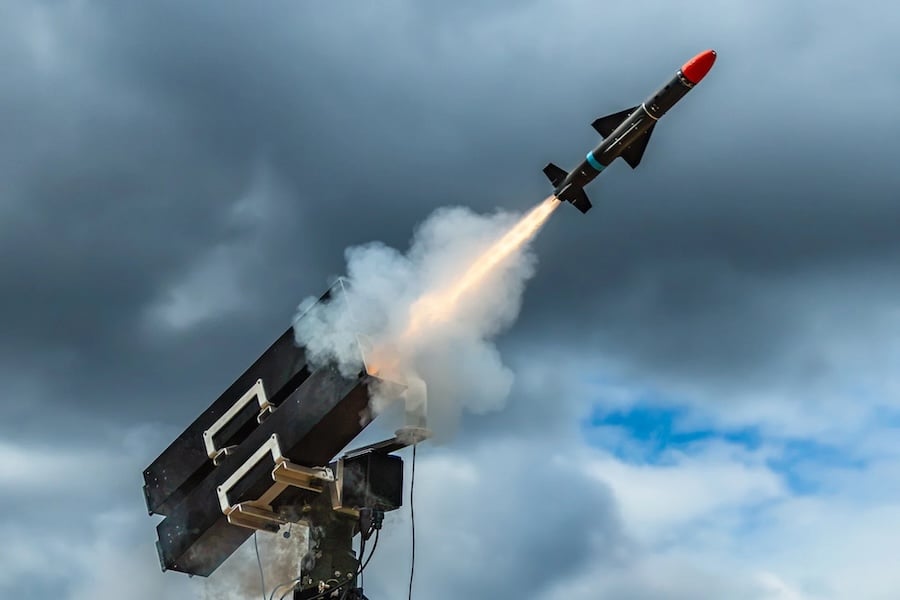
NATO drew on its own and member countries’ exercises and technology programmes to select the systems. It has funded further trials so allies and NATO commands can assess how well the equipment meets their operational needs.
The marketplace supports a revised air and missile defence plan that gives air policing and ballistic missile defence common rules for command and engagement. The plan links sensors and defensive systems so commanders can identify and track threats and choose how to respond.
NATO says it needs affordable ways to stop low-cost, one-way attack drones while retaining advanced interceptors for more demanding threats. The plan puts counter-drone systems, fighters on alert, surveillance aircraft, ground-based air defences and mobile firing teams under a common command structure.
Allied Air Command runs the mission around the clock through three Combined Air Operations Centres. The plan allows the centres to operate at the same time and back one another up as forces provided by member countries deploy or move between locations.
The plan covers threats including crewed aircraft, drones, cruise missiles and ballistic missiles. NATO says it also lays the groundwork for adapting its defences to future threats such as hypersonic glide vehicles.