

Officials note that modern warfare increasingly requires faster and more capable propulsion technologies. Northrop Grumman’s nationwide engineering and testing network is focused on advancing solid rocket motor design to support future missile systems and high-speed aerospace platforms.
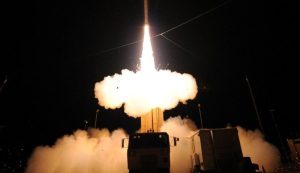
At the Allegany Ballistics Laboratory in Rocket Center, West Virginia, engineers design, test and manufacture solid rocket motors for tactical systems used by the United States and its allies. The facility specializes in highly loaded grain motors that concentrate greater propulsion power within compact designs.
“We look to let a missile accelerate faster, fly farther or maneuver more sharply without increasing size,” said Garett Smith, chief engineer at ABL, Northrop Grumman. “This compact motor punches far above its weight class.”
The laboratory has a long history of propulsion development dating back to the 1940s. Since 2021, Northrop Grumman has doubled production capacity for tactical solid rocket motors at the site and plans to further expand output, aiming to triple production capabilities by 2027.
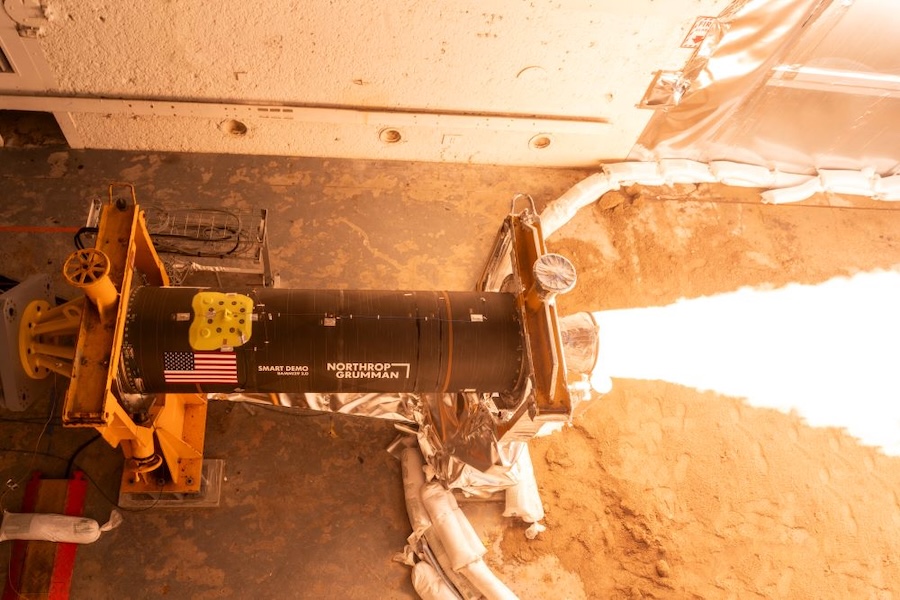
Innovation efforts also extend to Promontory, Utah, where engineers participate in the Solid Motor Annual Rocket Technology Demonstrator program. The initiative rapidly designs, builds and tests new rocket motors using emerging technologies to accelerate development cycles.
“SMART Demo rewards curiosity and decisiveness. We move fast, test fast and learn fast,” said Ben Case, propulsion engineer, Northrop Grumman. “We take on higher technical risk and pass the matured opportunities on to new and existing programs.”
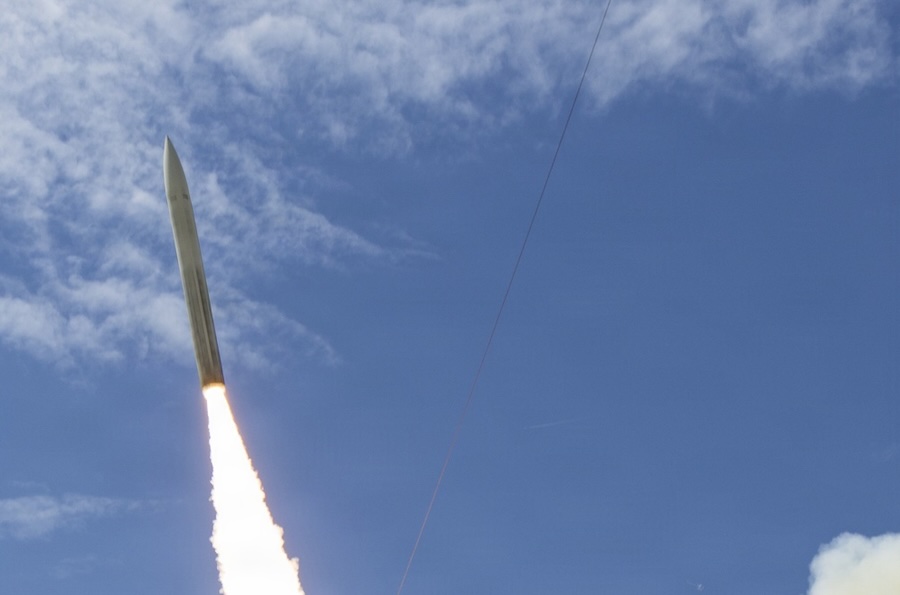
In January, engineers successfully tested the second of two new propulsion systems created under the program. Known as the Bombardment Attack Missile Motor, the 29-inch-diameter design incorporates advanced materials, including a next-generation carbon-fiber motor case and additively manufactured tooling.
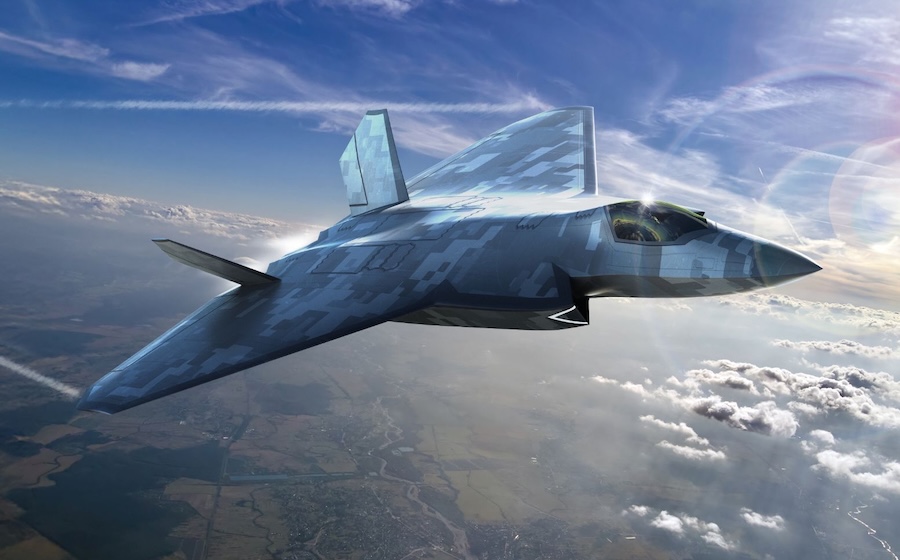
Northrop Grumman teams are also exploring propulsion solutions capable of supporting hypersonic flight. Research programs at facilities in Elkton, Maryland; Ronkonkoma, New York; and Palm Beach Gardens, Florida focus on technologies designed to operate at speeds above Mach 5.
“Imagine traversing the distance between the U.S. and Europe in less than two hours,” said Ricardo Puig, hypersonics program manager, Northrop Grumman. “That’s the speed we’re talking about. And hitting hypersonic speeds is only the beginning; surviving scorching thermal loads, controlling the vehicle and doing it reliably and cost effectively is the true next frontier.”
Researchers at Ronkonkoma’s Applied Science Laboratory collect extensive test data to support the development of next-generation propulsion architectures such as glide vehicles and air-breathing systems. Meanwhile, engineers at the Hypersonic Capability Center in Elkton are applying digital engineering and advanced manufacturing tools to shorten system development timelines.
“Our adversaries aren’t waiting,” said Zach Halterman, hypersonic propulsion engineer, Northrop Grumman. “Range and maneuverability at Mach 5 redefine the entire deterrence equation.”
Northrop Grumman says its propulsion portfolio continues to expand as defense requirements evolve. The company has delivered more than 1.3 million rocket motors worldwide and has invested more than $1 billion in propulsion technologies since 2018.
Company officials say these investments are designed to support both current operational needs and future aerospace systems. By advancing propulsion power, manufacturing capacity and hypersonic technologies, the company aims to strengthen the capabilities behind some of the United States’ most critical defense missions.