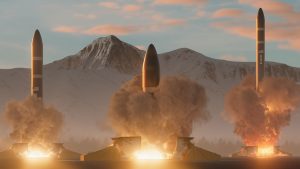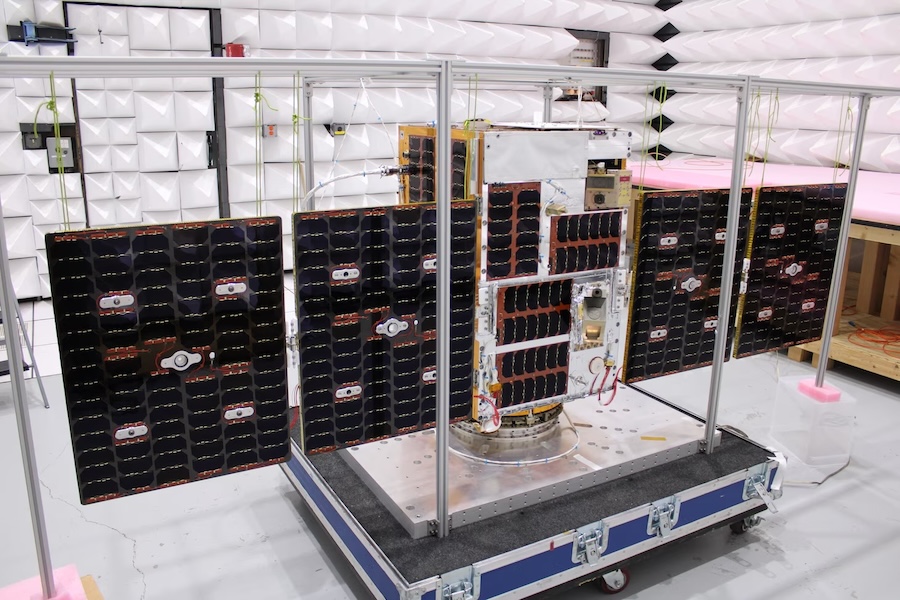


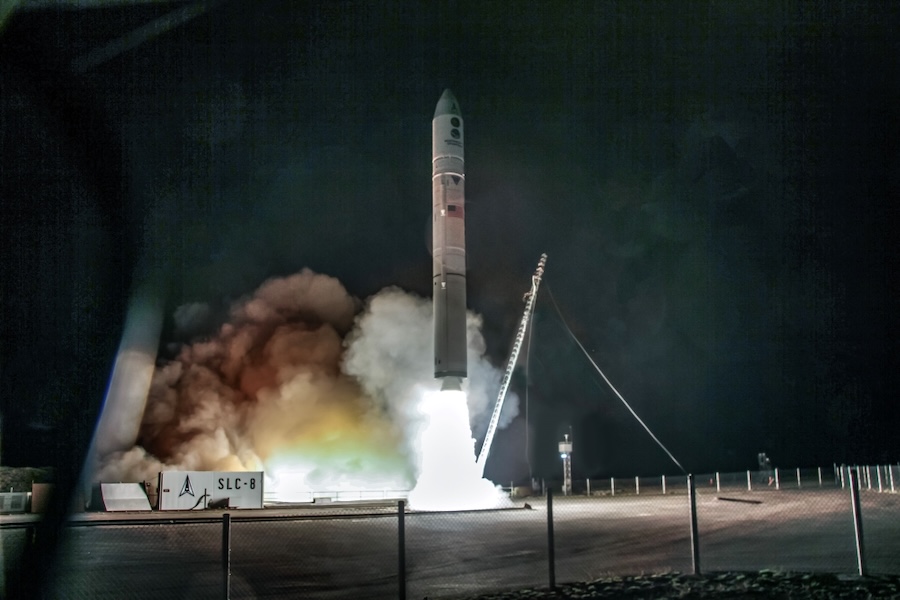
The launch deployed multiple satellites as part of the U.S. Space Force’s Space Test Program. It marked the 31st successful Minotaur launch since the system’s inaugural flight in 2000.
The Minotaur IV is part of Northrop Grumman’s Minotaur family of launch vehicles developed for U.S. government missions. It combines government-supplied Peacekeeper rocket motors with the company’s commercial launch technologies.
This approach enables flexible and cost-effective access to space for the U.S. Space Force’s Rocket Systems Launch Program and other government partners. The system is designed to support a wide range of national security space missions.
Northrop Grumman has introduced design enhancements and technology upgrades to the Minotaur IV. These changes are intended to reduce the number of parts and processes while improving performance.
The upgrades are also aimed at enabling more responsive launch capabilities for future missions. They support the company’s broader effort to enhance readiness and efficiency in space launch operations.
Wes Collier, vice president of launch systems at Northrop Grumman, highlighted the significance of the mission. “The success of the STP-29A mission and continued evolution of our Minotaur IV design for future missions underscores Northrop Grumman’s commitment to delivering resilient and cost-effective space launch capabilities for our nation,” he said.
The company said its manufacturing scale and ongoing innovation contribute to its ability to meet national security requirements. These capabilities are intended to support reliable and responsive access to space.
The Minotaur IV program continues to evolve as part of Northrop Grumman’s broader launch portfolio. The STP-S29A mission reflects continued collaboration between industry and government in advancing space capabilities.