

The budget allocates $30.6 billion for Air Force aircraft procurement, marking an increase over previous years. However, it does not specify detailed funding breakdowns for key aircraft programs.
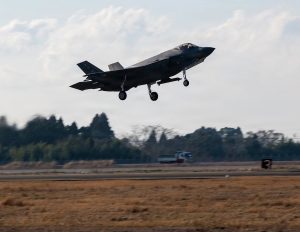
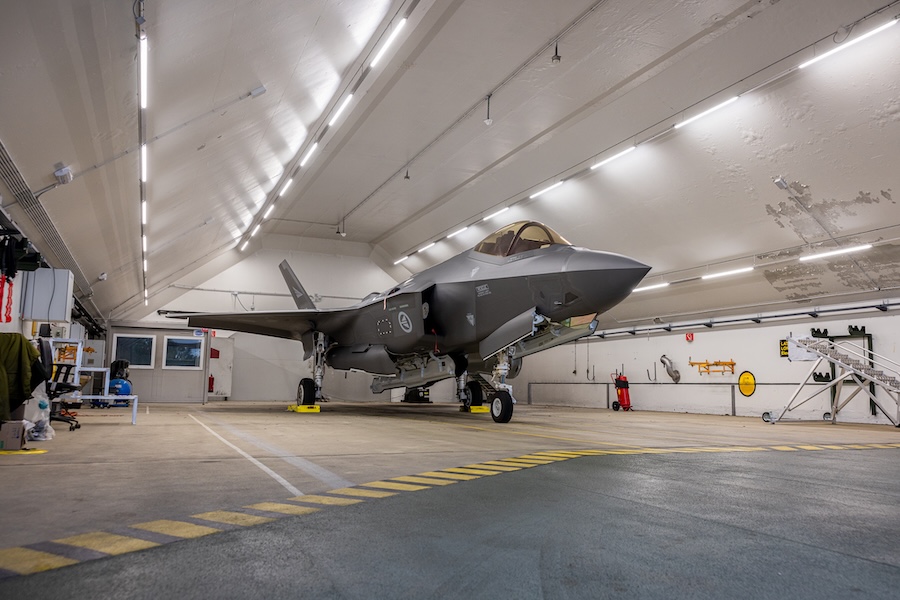
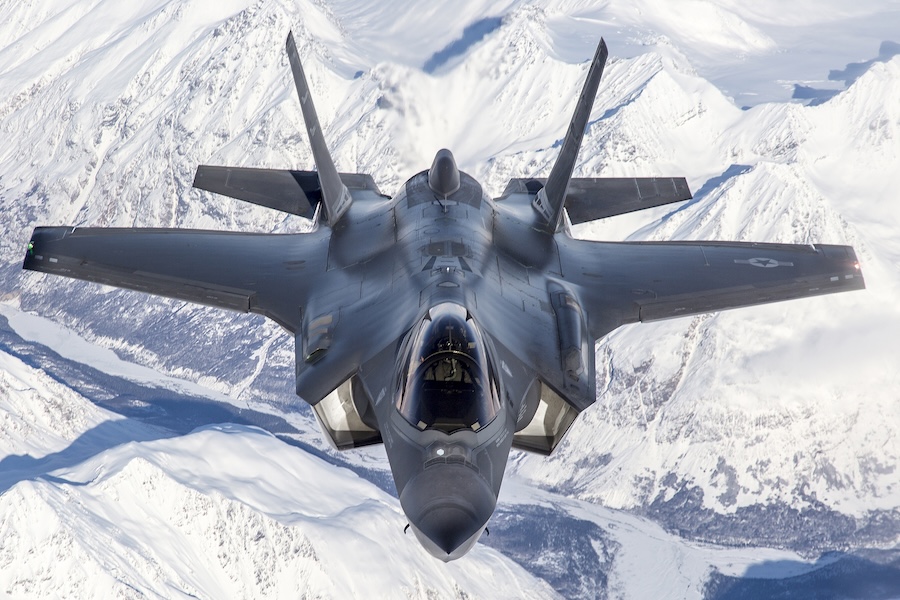
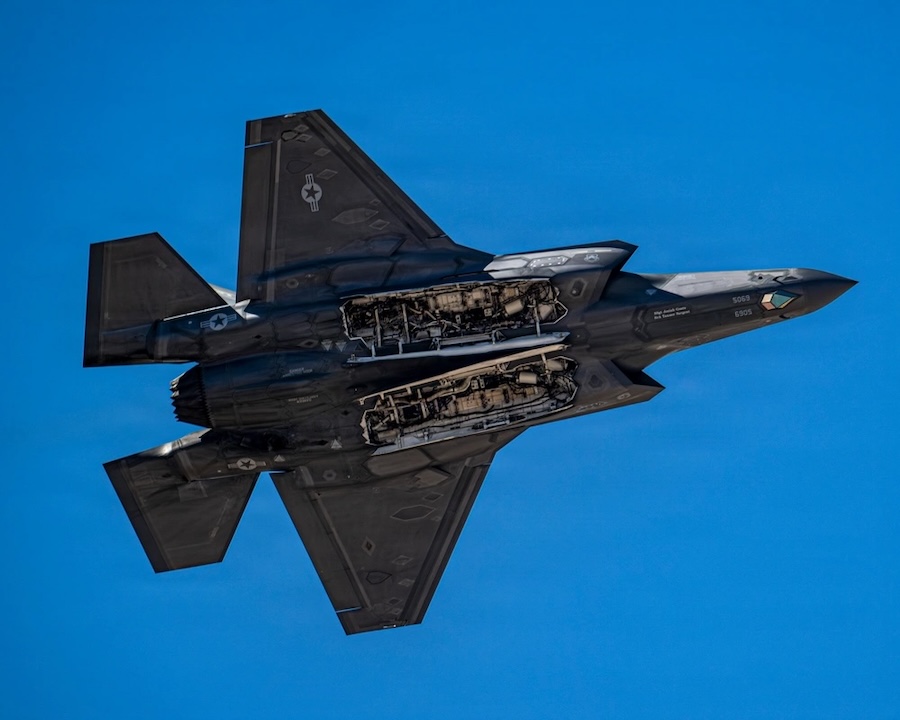
An Office of Management and Budget official confirmed that the Air Force would receive 38 of the 85 F-35 aircraft requested. Analysts said the figure may not be sufficient to address the service’s fighter inventory challenges.
“If the budget does fund 85 F-35s overall, with only 38 going to the Air Force, my reaction is that this is a mixed signal—on one hand, 85 aircraft is still a meaningful production number for the military and it helps preserve industrial-base stability, but on the other hand, 38 for the Air Force is not a serious rebuild rate for a service operating the oldest and smallest fighter force in its history,” said David A. Deptula, dean of the Mitchell Institute for Aerospace Studies. “It may keep the line warm, but it does not reverse the fighter inventory shortfall.”
If approved, the Air Force would receive 14 more F-35s than in the previous budget year. However, the figure is also 10 fewer than the service requested in 2025.
This would mark the first time in a decade that the Air Force receives less than half of the F-35 aircraft requested by the Pentagon. Analysts said this reflects ongoing trade-offs within the defense budget.
“The Air Force cannot continue a ‘divest to invest’ approach if modernization never catches up with divestment,” Deptula said. “In that context, 38 F-35As feels more like budget triage than a true recapitalization rate.”
He added that competing priorities are influencing procurement decisions. “This number suggests the Air Force is still being forced to balance near-term procurement against other large bills—F-47 development, B-21, Sentinel, readiness recovery, munitions, and CCA.”
The White House has indicated that the budget prioritizes development of the F-47 sixth-generation fighter. It does not provide detailed information on other programs such as the B-21 Raider or Collaborative Combat Aircraft.
Former senior Air Force leaders have previously called for increased F-35 procurement. They argued the aircraft remains critical to meeting operational requirements and maintaining interoperability with allied forces.
“Why wouldn’t we want to continue to build that airplane … in larger numbers?” said T. Michael Moseley, referring to the F-35.
The budget also places emphasis on naval expansion, including $65.8 billion for shipbuilding. Officials said this funding would support procurement of both battle force and non-battle force vessels.
Deptula said the focus on shipbuilding should not be seen as a reduction in priority for airpower. “The absence of public F-47 and B-21 details should not be mistaken for lack of priority,” he said.
Source: Air & Space Forces Magazine.