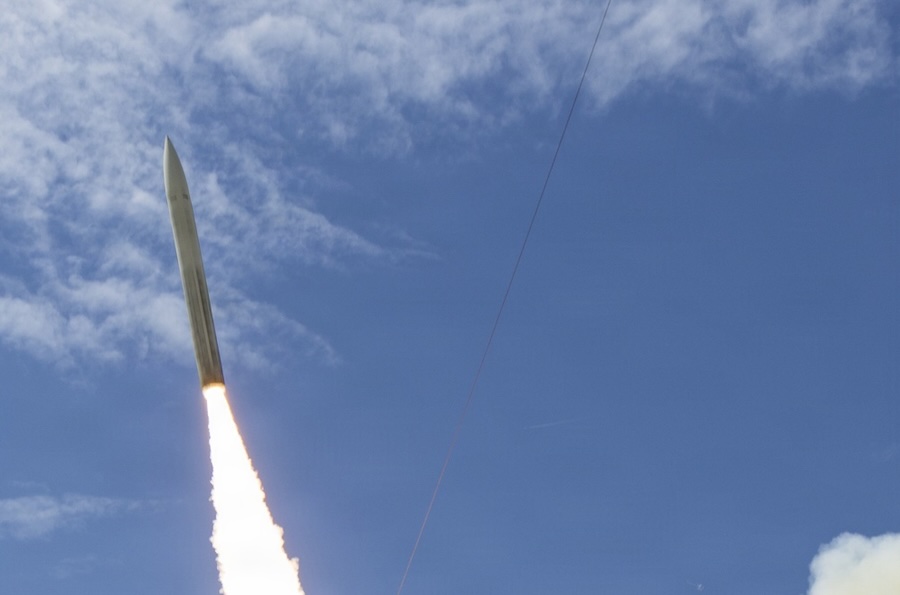
The modification also includes one-time costs required to restart the SM-3 Block IB production line. This step ensures the interceptor remains available for operational deployment and for missile defense missions involving U.S. allies.
According to the contract announcement, the modification definitizes two previously announced undefinitized contract actions related to the missile’s production. With the new award, the value of the production effort increases from $1.099 billion to $1.366 billion.
The overall value of the broader contract associated with the program rises to approximately $3.31 billion. Most of the work will be performed in Tucson, Arizona, where Raytheon produces key missile components, with additional activities taking place in Huntsville, Alabama.
The program is scheduled to continue through May 2030. Under the contract modification, the Missile Defense Agency will procure 23 SM-3 Block IB All-Up Rounds, meaning fully assembled interceptors ready for operational use.
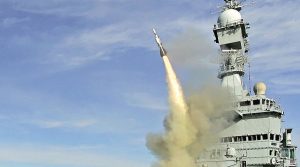
The SM-3 interceptor is a key element of the United States’ Aegis Ballistic Missile Defense system. It is designed to intercept short- to intermediate-range ballistic missiles during the midcourse phase of flight while the target travels through space.
Unlike traditional missile systems that rely on explosive warheads, the SM-3 uses a kinetic kill vehicle to destroy incoming threats. The interceptor neutralizes its target by colliding with it at extremely high speed.
After launch, a multi-stage rocket booster carries the interceptor into space. The kill vehicle then separates and uses onboard sensors and guidance systems to track and strike the incoming ballistic missile.
The SM-3 Block IB variant incorporates improvements to the missile’s seeker and guidance systems compared with earlier versions. These enhancements help the interceptor better distinguish between actual targets and decoys in the exo-atmospheric environment.
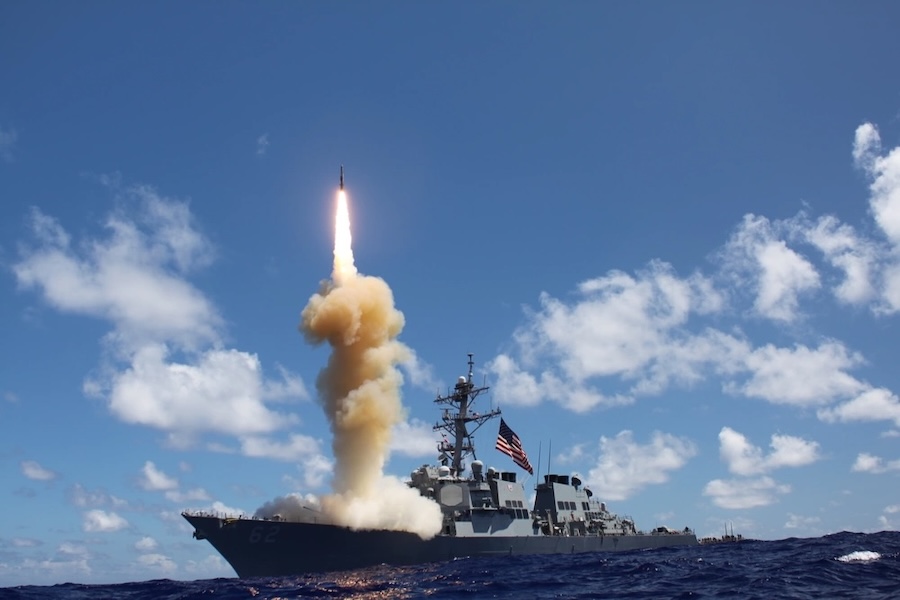
The interceptor can be launched from Aegis-equipped naval vessels as well as land-based Aegis Ashore installations. Once fired, it is capable of engaging ballistic missile threats outside the Earth’s atmosphere.
The Standard Missile-3 family is derived from the RIM-156 Standard SM-2 Block IV missile and serves as the interceptor component of the U.S. Navy’s theater ballistic missile defense system. Designed as an upper-tier exo-atmospheric weapon, it works in coordination with lower-tier air defense missiles such as the SM-2 and SM-6 within the broader Aegis defense architecture.
The missile uses a Lightweight Exo-Atmospheric Projectile kinetic warhead equipped with a Forward Looking Infrared sensor to locate and track targets. Over time, the SM-3 program has evolved through several variants to improve range, maneuverability and threat discrimination capabilities.
Ballistic missile defense systems equipped with SM-3 interceptors are intended to protect military forces, allied territories and critical infrastructure from missile attacks. As part of the United States’ layered missile defense architecture, the interceptor plays a central role in countering ballistic missile threats in space.