


Senior Saab officials said late last year the company could create about 10,000 jobs in Canada, but the size of the aircraft orders required to reach that figure had not been disclosed. The Swedish manufacturer’s plans are drawing interest within the Carney government as it looks to diversify defence suppliers and strengthen an industrial sector affected by tariffs imposed by U.S. President Donald Trump.
“The government is interested in all major projects that can not only protect Canada’s security and sovereignty, but also create jobs across the country,” Industry Minister Mélanie Joly told CBC News. “We certainly can’t control President Trump, but … we can control our defence investments, who we award contracts to and how we are ultimately able to create jobs in Canada. So we’re going to focus on that.”
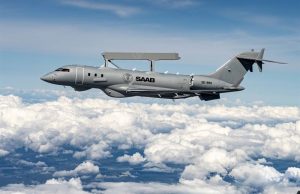
Saab confirmed that the promise of 12,600 jobs depends on the sale of Gripen and GlobalEye aircraft to Canada. “Saab remains ready to support the government of Canada with sovereign, cutting-edge solutions for the Canadian Armed Forces that will grow domestic industry,” said Simon Carroll, president of Saab Canada.
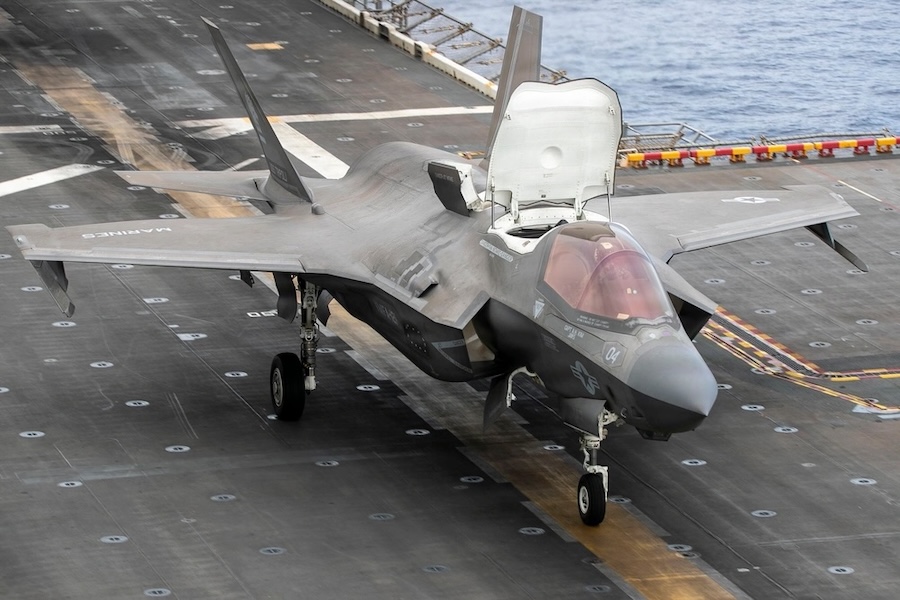
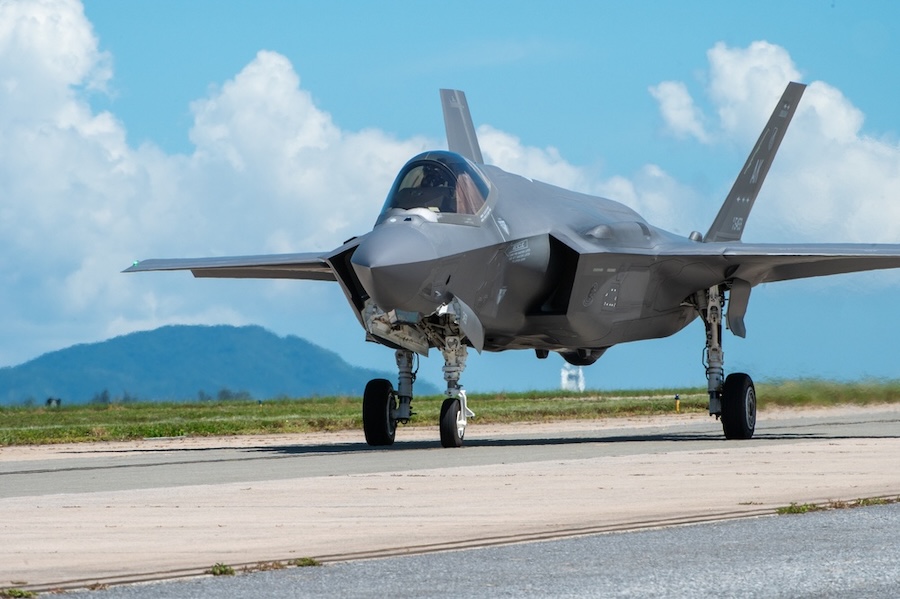
A purchase of Gripen jets would affect Canada’s plan to acquire 88 U.S.-built F-35 fighters ordered in 2022, now estimated to cost more than $27 billion. Although the government has been reviewing the F-35 programme since spring, sources say it is too early to know whether the order will be reduced.
Canada is preparing to receive 16 F-35s starting this year, while military experts question whether two new fighter fleets can be integrated at the same time. Defence industry analysts have also said Saab’s job projections require further scrutiny and clarification.
F-35 manufacturer Lockheed Martin says it offers significant economic benefits in Canada, promising $15 billion in work if the full order proceeds. Discussions with the Canadian government are ongoing, Joly said this week.
Saab plans to establish factories in Canada to produce fighter jets and surveillance aircraft for the Royal Canadian Air Force and export markets. Ukraine has expressed interest in more than 100 Gripens, while potential GlobalEye customers include France and Germany.
To create more than 10,000 direct and indirect jobs, Saab is planning production centres in Ontario and Quebec supported by a pan-Canadian supplier network. GlobalEye aircraft would be built in partnership with Bombardier using its Global 6500 business jet as the platform for surveillance systems, known in Canada as the airborne early warning and control system.
Canada’s defence spending is expected to rise by $82 billion over the next five years, with the government seeking maximum domestic economic impact. The appointment of Christiane Fox as deputy minister of national defence is seen in Ottawa as a signal of a shift in approach at the top of the military establishment.
Justin Massie, a military analyst at the Université du Québec à Montréal, cautioned against basing a decision on employment figures. “We need to have a number that is based on military considerations, and that doesn’t seem to be the case at the moment. It seems that economic and political considerations are guiding this choice,” he said.
Massie also questioned whether the United States would approve integration of Gripens into NORAD systems. “If all this is just to have a fleet of 16 [F-35s], it’s completely pointless from a military point of view,” he added.
An Ekos survey released last month found that 43 per cent of Canadians support acquiring Gripen fighters, while 29 per cent favour a mixed fleet with F-35s. Support varied by region and political affiliation, with the F-35 least popular overall at 13 per cent.
Ekos president Frank Graves said public opinion complicates a decision to buy only F-35s. “This puts the government in an awkward position,” he said, adding that Canadians increasingly favour stronger ties with Europe rather than focusing on aircraft technical capabilities.
Canada selected the F-35 in 2023 after a competition that assessed technical performance, cost and economic benefits. Data obtained by Radio-Canada/CBC News show the F-35 dominated the technical phase of the 2021 evaluation.
Source: CBC News.