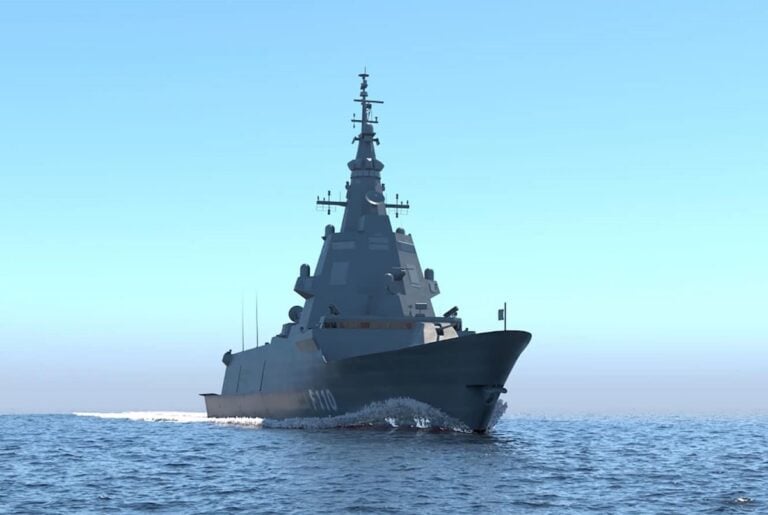
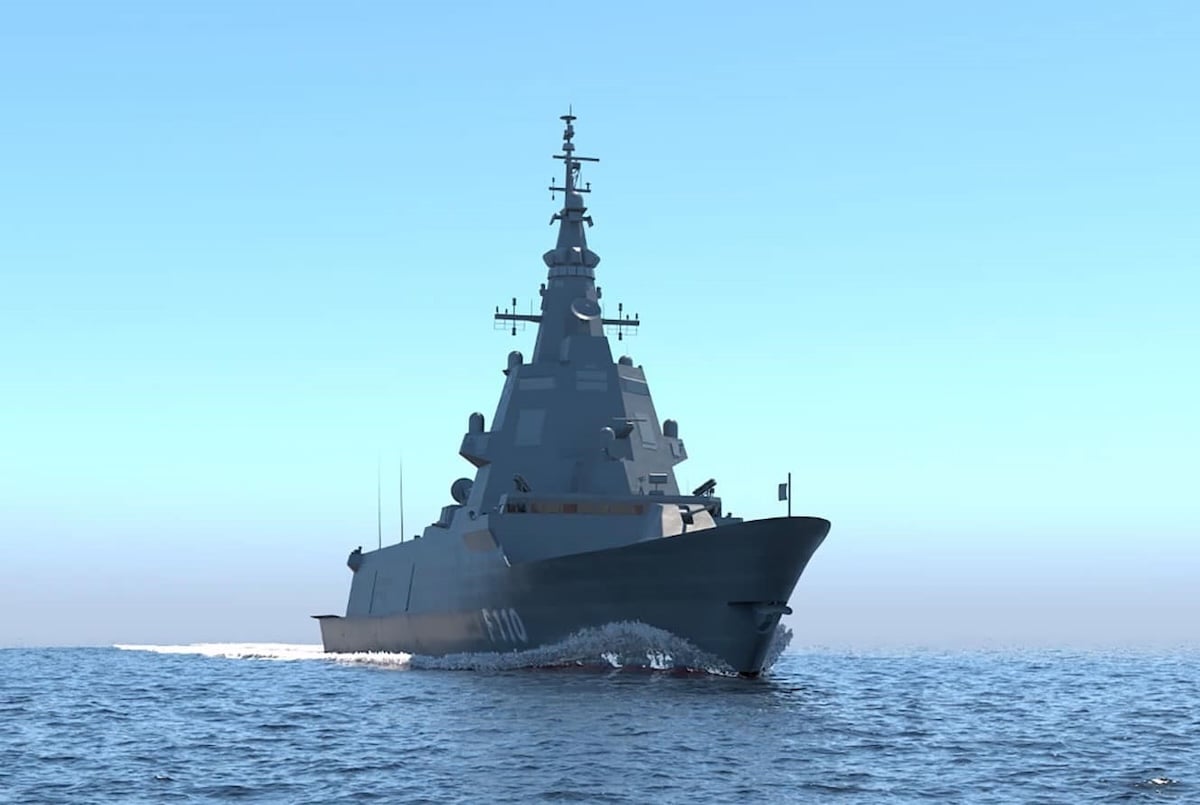
The work follows requirements set by the navy under its Armada 2050 document, Navantia said on 23 October. The navy, Spain’s Ministry of Defence and the shipbuilder will determine the final configuration through the requirements and procurement process.
The design is intended to engage aircraft, ballistic missiles and cruise missiles simultaneously. Its missions would include area air defence, escort of high-value assets and coordination of a naval task group’s air defence.
Expanded vertical launch capacity would allow different missile types to be carried, with the weapons load tailored to each mission. Navantia did not disclose launcher numbers, missile selections or how many additional frigates were under consideration.
The variant would also have greater speed and endurance for extended deployments and demanding combined operations. It would retain the F110’s anti-submarine and anti-surface warfare capabilities.
The frigate would use the cloud-hosted SCOMBA New Generation combat management system to connect sensors, weapons, autonomous vehicles, onboard systems and data links. A shared tactical picture within the naval combat cloud would help coordinate air defence across the force.
The architecture is designed to accommodate new sensors, weapons and countermeasures against emerging missiles and uncrewed systems. The ship would also be built to exchange information and operate within NATO, European Union and joint multi-domain networks.
Electronic warfare and protection against asymmetric threats would remain part of the ship’s capabilities. A multi-mission space would support mission modules, a second helicopter and uncrewed vehicles.
Digital-twin technology, condition-based maintenance and an integrated platform management system would help identify problems, plan support and train crews. Navantia said those tools were intended to improve availability and through-life efficiency.
The proposed programme would sustain Spanish naval engineering, shipbuilding and systems integration work. Navantia said its development would involve a domestic industrial network of more than 500 companies, alongside technology centres and academic institutions.