
Lockheed Martin anticipates conducting an initial land-based test in early 2027, according to an Aug. 27 Congressional Research Service report. Software changes will be required for both the Aegis system and the PAC-3 MSE interceptor.
The disclosure appeared in the CRS report “U.S. Army’s Patriot Air and Missile Defense System”. The document did not identify the number or class of destroyers involved, the planned missile inventory, procurement costs or a schedule for testing at sea.
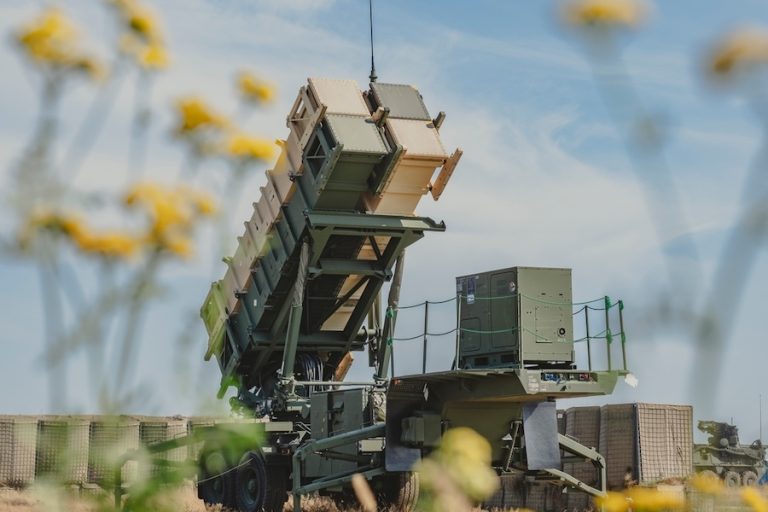
PAC-3 MSE is the current generation of the PAC-3 interceptor and uses hit-to-kill technology to destroy incoming threats through direct impact. The high-velocity missile is designed to engage tactical ballistic missiles, cruise missiles, air-breathing threats and unmanned aerial systems.
The interceptor is part of the MIM-104F branch of the Patriot missile family, which was developed primarily to counter ballistic missiles. PAC-3 and PAC-3 MSE missiles are smaller than earlier Patriot variants and have a more limited capability against aircraft, according to information cited by CRS.
Earlier MIM-104 variants, including PAC-2 and PAC-2 Guidance Enhanced Missiles, use blast-fragmentation warheads. Those interceptors are intended mainly for engagements against aircraft and cruise missiles, with a more limited role against tactical ballistic missiles.
The U.S. Army is currently procuring PAC-3 MSE missiles, which are produced by Lockheed Martin. The interceptor has been fully integrated into Patriot systems operated by the United States and international partners, as well as the U.S. THAAD system.
The planned Navy integration comes while Congress is examining the cost, availability and production of Patriot systems and interceptors. CRS linked that scrutiny particularly to demand generated by the conflicts in Iran and Ukraine.
The report raised questions about supply-chain bottlenecks, access to critical materials and the production rates required by the Defense Department. It did not determine whether those pressures would affect the Navy’s Aegis integration schedule or its 2028 operational target.
Demand is also growing within the Army, which currently operates 15 active-component Patriot battalions and plans to add three more from fiscal 2029 through 2031. A four-battery battalion equipped with the Integrated Battle Command System and Lower Tier Air and Missile Defense Sensor carries an estimated procurement cost of $1.792 billion.
Foreign demand has placed additional pressure on Patriot delivery schedules, according to the report. Denmark reportedly abandoned a planned Patriot purchase partly because of shorter delivery times for the Franco-Italian SAMP/T system, while Switzerland considered a European alternative amid potential delays of four to five years.
CRS did not say whether the Navy has issued a procurement order or established formal requirements for the shipboard PAC-3 MSE capability. Beyond the planned land-based test in early 2027, the report provided no additional development milestones before the targeted 2028 entry into operational service.