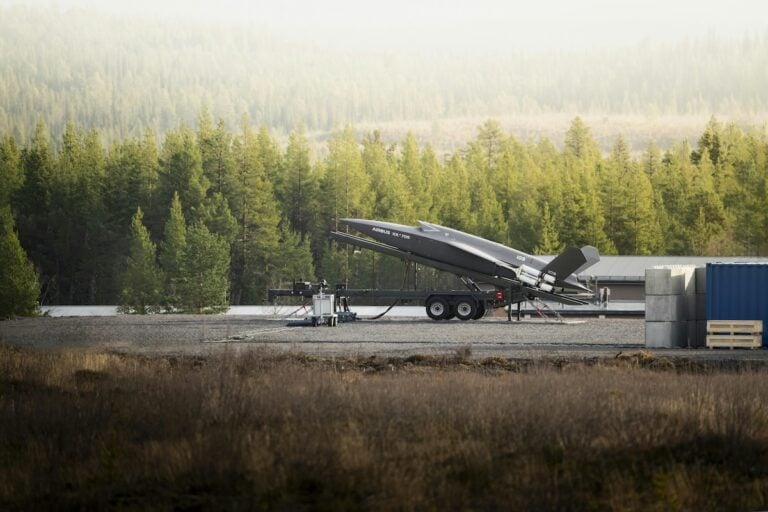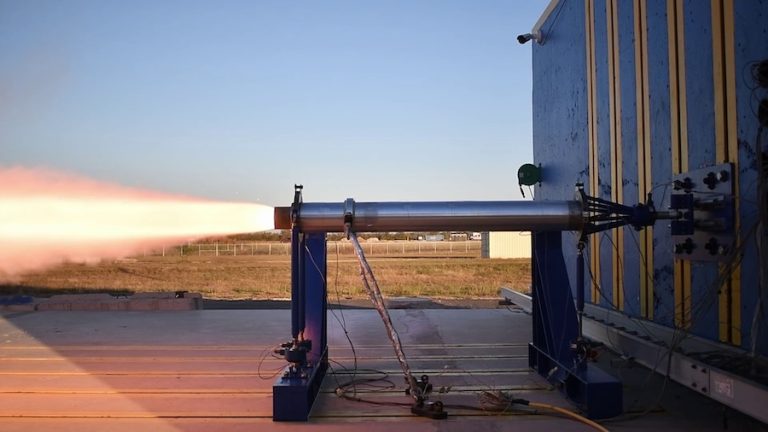
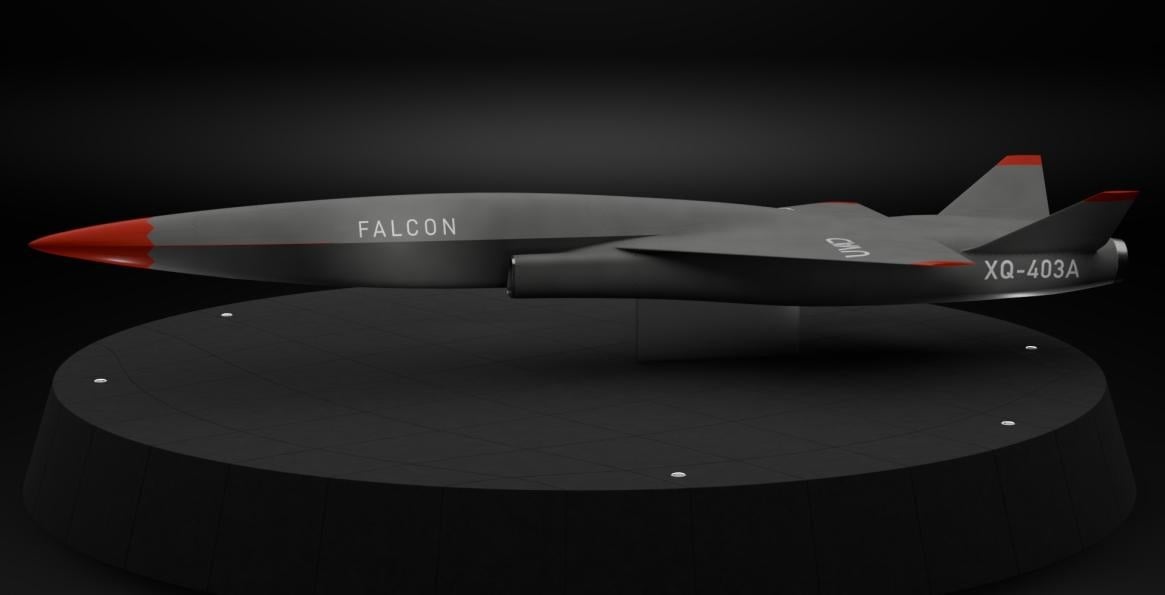
The propulsion system is intended to give Falcon supersonic performance at low and medium altitudes, while supporting rapid deployment and recovery. The companies say this will enable more frequent and cost-effective training for air, naval and missile defence operators.
Falcon’s autonomous flight system will allow a single operator to oversee multiple drones, expanding the range of scenarios available to training teams. Its modular design also leaves scope for high-speed missions beyond simulating threats, although the partnership’s immediate focus is the propulsion system.
“We are particularly pleased to be entering into this partnership with Safran Power Units, a globally recognised expert in the field of high-performance and affordable turbojet engines,” said David Birkett, chief executive of UVAD Technologies. “Our two companies share a common vision for high-performance, affordable defence systems capable of addressing the challenges of the future, particularly those posed by supersonic threats.”
Safran says its engines will provide the reliability, robustness and service life needed to support the aircraft’s reusable design. The planned flight tests are the programme’s next milestone towards operational deployment.
“We are excited to start this partnership with UVAD to provide the propulsion system for their Falcon drone,” said Ghislaine Doukhan, chief executive of Safran Power Units. “The choice of our engines will make a significant contribution to the Falcon’s capabilities in terms of supersonic flight, robustness, and cost-effectiveness.”