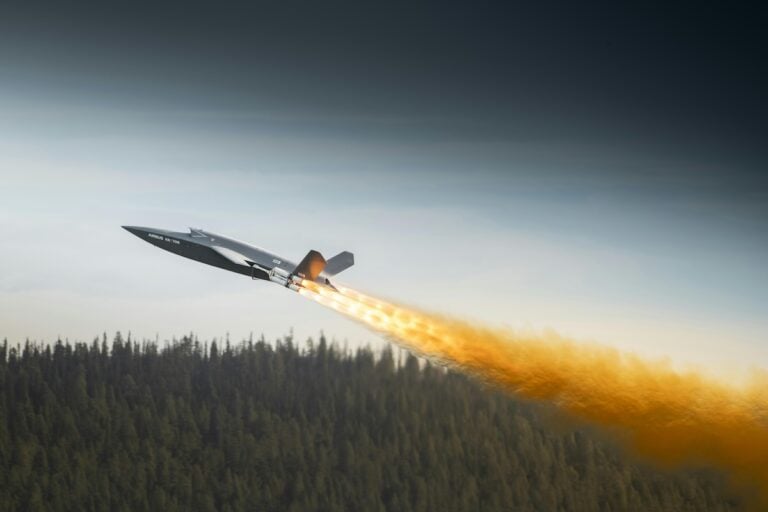
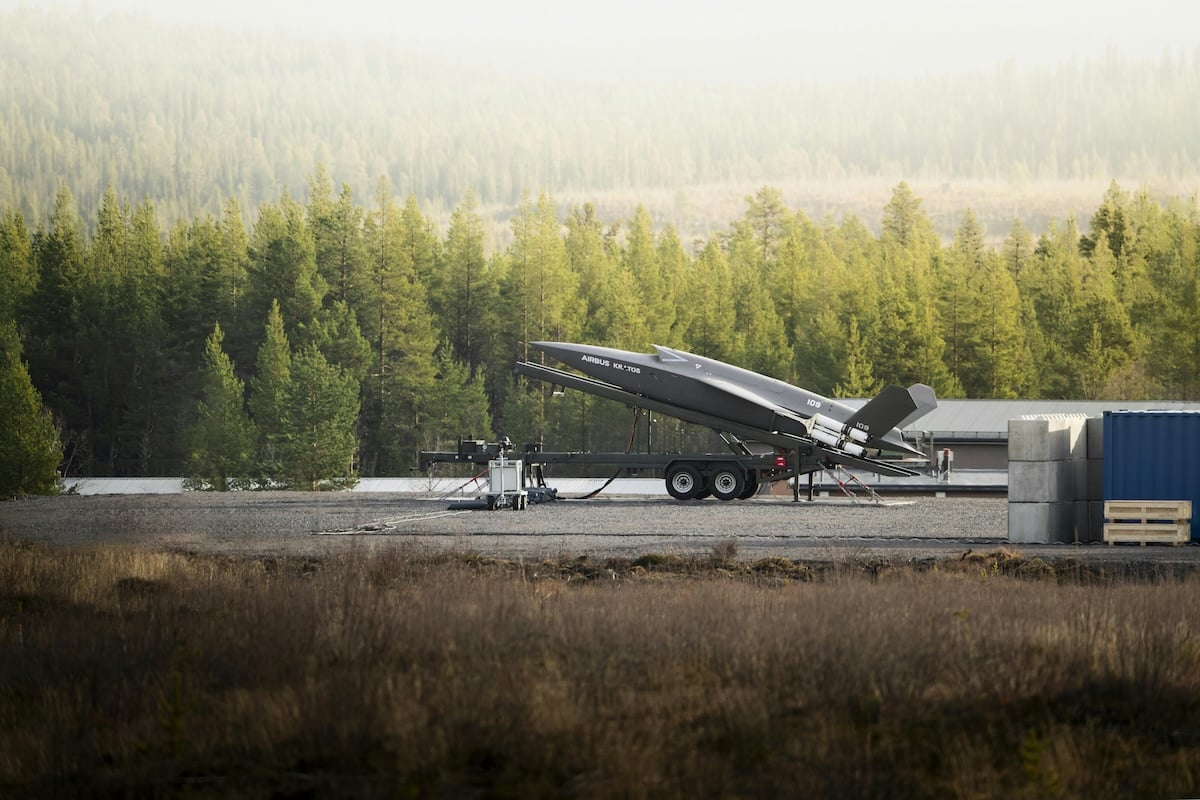
The maiden flight of the U740 Valkyrie, an American-German unmanned aircraft, recently took place in northern Germany. In 2026, history has repeated itself: back in 2013, the two countries were also working together on an ambitious high-altitude project. That transatlantic effort, the purchase of five Euro Hawk unmanned aerial platforms, never reached a successful conclusion. Thirteen years ago, Germany made its first attempt, ultimately unsuccessful, to field a high-altitude reconnaissance drone for the German Air Force based on the proven American RQ-4 Global Hawk. This already well-known platform was to be fitted with European electronics from EADS, the now-defunct European industrial giant that preceded Airbus. The program turned into a major financial and public-relations failure for the German Ministry of Defense, which was widely blamed for the setbacks.
After roughly $500 million had been spent on flight-testing the prototype, Germany canceled the project. Officials cited limits on conducting such missions in Europe’s congested airspace and the lack of any realistic prospect of certification by EASA, the European Union Aviation Safety Agency.
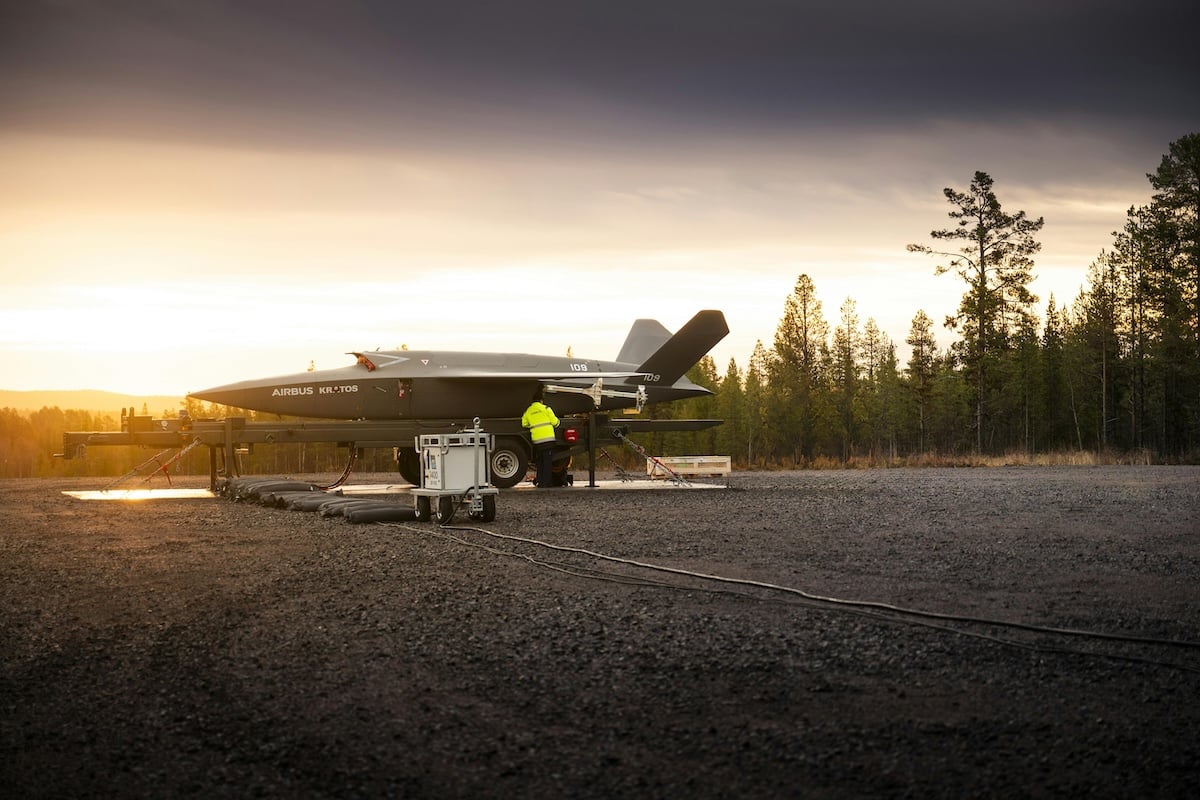
Thirteen years later, we are witnessing another spectacular and highly ambitious attempt to combine the capabilities of industrial partners on both sides of the Atlantic. This time, two industry heavyweights have taken on the challenge: Europe’s Airbus and America’s Kratos. Their task is to develop a joint solution built on the latest advances in autonomy, one intended to enhance the capabilities of German and European fighter aircraft. The concept adds a new class of unmanned aircraft to combined combat formations, powered by a European “brain” called MARS (Multiplatform Autonomous Reconfigurable and Secure). It is Europe’s take on the U.S. Air Force’s Collaborative Combat Aircraft (CCA) program, which aims to supplement a fleet of advanced combat aircraft that is too small with new unmanned platforms. The base airframe for the project is Kratos’s Valkyrie, which has been undergoing successive rounds of testing for several years. As with the Euro Hawk, the German side is responsible for the onboard systems.
Airbus and Kratos are not the only contenders offering the Bundeswehr European CCA capabilities, however. On March 31, 2026, citing the Bundeswehr’s goal of having such a capability ready by 2029, Rheinmetall and Boeing Australia announced a competing proposal based on the MQ-28 Ghost Bat.
Earlier, on July 17, 2025, General Atomics (GA) announced that its facility in Oberpfaffenhofen, near Munich, would support the development of a European CCA. The effort will draw on GA’s work on one of the two designs currently competing for contracts in the first increment of the U.S. program. The prototype being offered in Europe is the YFQ-42A, which is competing against Anduril’s YFQ-44A.

It is widely recognized that in an increasingly complex and contested threat environment, modern air forces facing shrinking manned fleets need more affordable combat mass, meaning more aircraft, both manned and unmanned. In the future, the Valkyrie is also expected to extend the reach, firepower, and survivability of European manned fighters such as the Eurofighter Typhoon.
According to Airbus, the U740 will feature an internal weapons bay, which could prove a significant advantage. It will also have a maximum takeoff weight of about three tons, a range of more than 5,000 kilometers (3,100 miles), and an operational ceiling of approximately 13,700 meters (45,000 feet).
Notably, runway operations are being offered as an alternative to rail-launched takeoffs, which are preferred for safety reasons. Kratos has also tested a special cart for launching the aircraft from a runway.
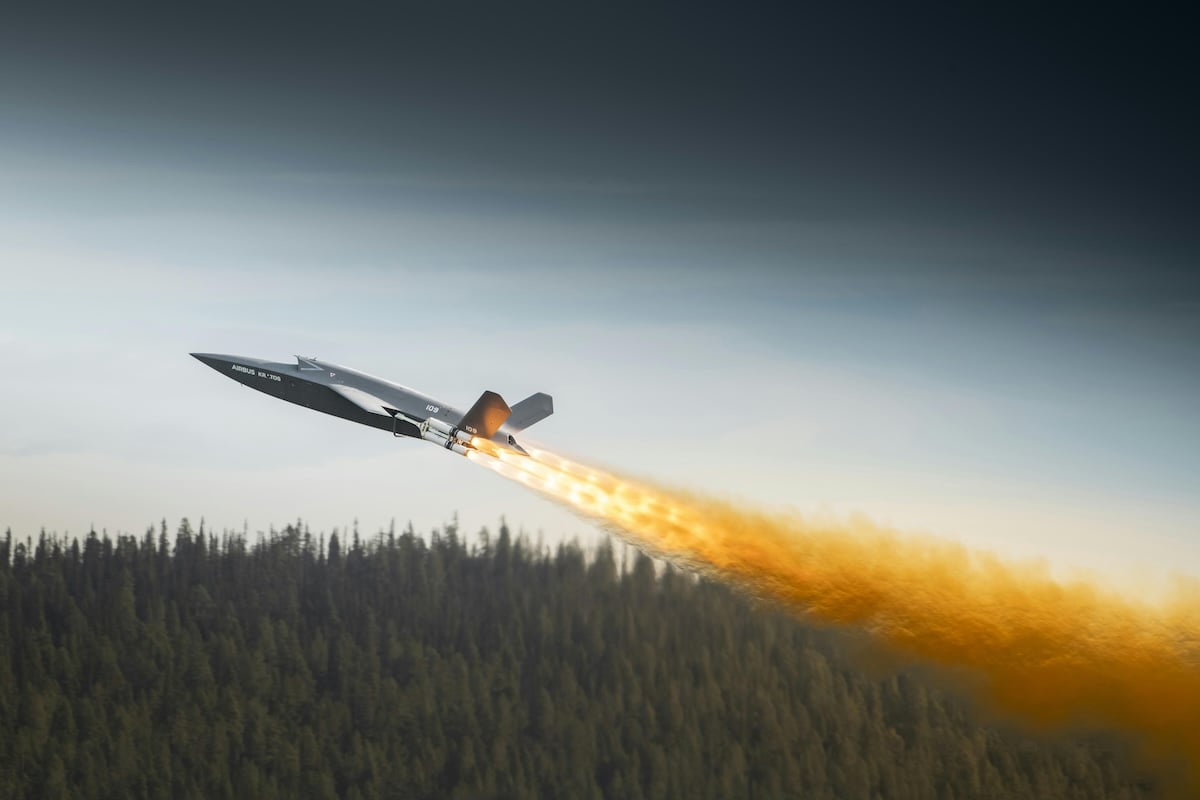
In March 2026, Airbus announced that it was preparing two Valkyries, purchased specifically from Kratos, for flight testing at its facility in Manching, near Munich.
These tests deserve close attention. In the previous decade, Germany failed in its attempt to close a gap in its reconnaissance capabilities. That effort was also an attractive offer to strengthen NATO: it would have added a national asset for airborne ground surveillance to the Alliance Ground Surveillance (AGS) system, an offer Germany ultimately could not fulfill. It is worth remembering that Germany has already suffered a deep disappointment and a very costly financial and reputational failure, when its defense ministry misjudged the full range of risks inherent in international ventures of this kind. Joint international projects are, by their very nature, more difficult than national ones.
About the author
Col. (Ret.) Józef M. Brzezina, a former Polish Air Force officer, is a defense writer and analyst with more than 25 years of experience contributing to leading military publications and online outlets. His work focuses on unmanned aircraft systems (UAS), manned combat aviation, and the employment of weapons and military equipment in modern armed conflict.