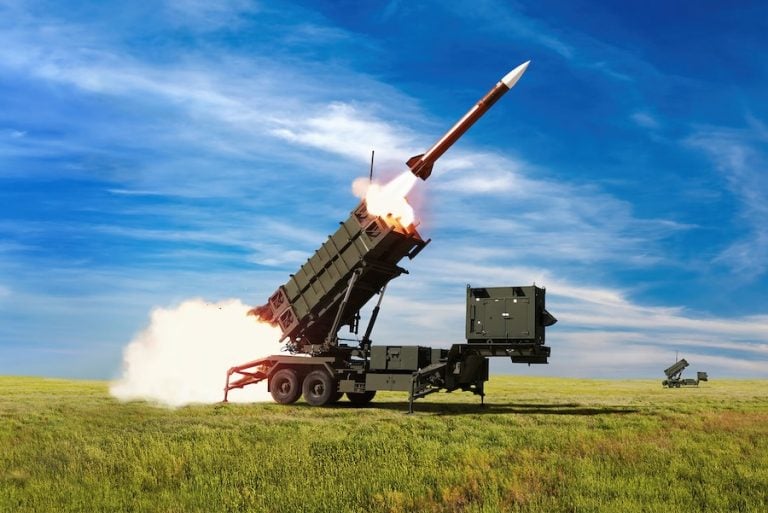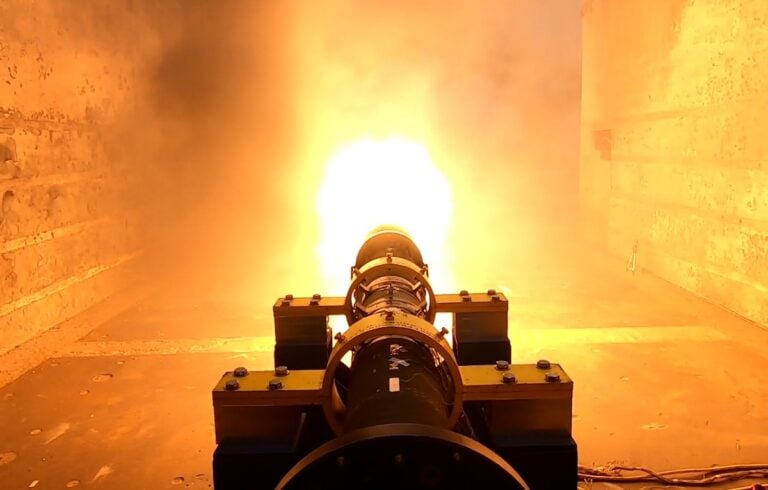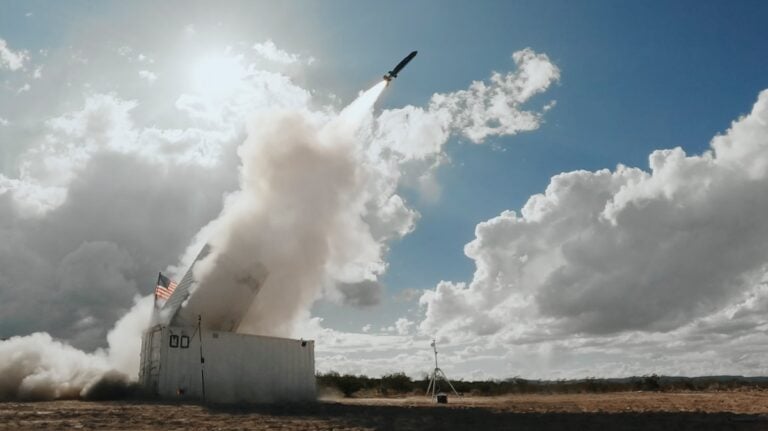
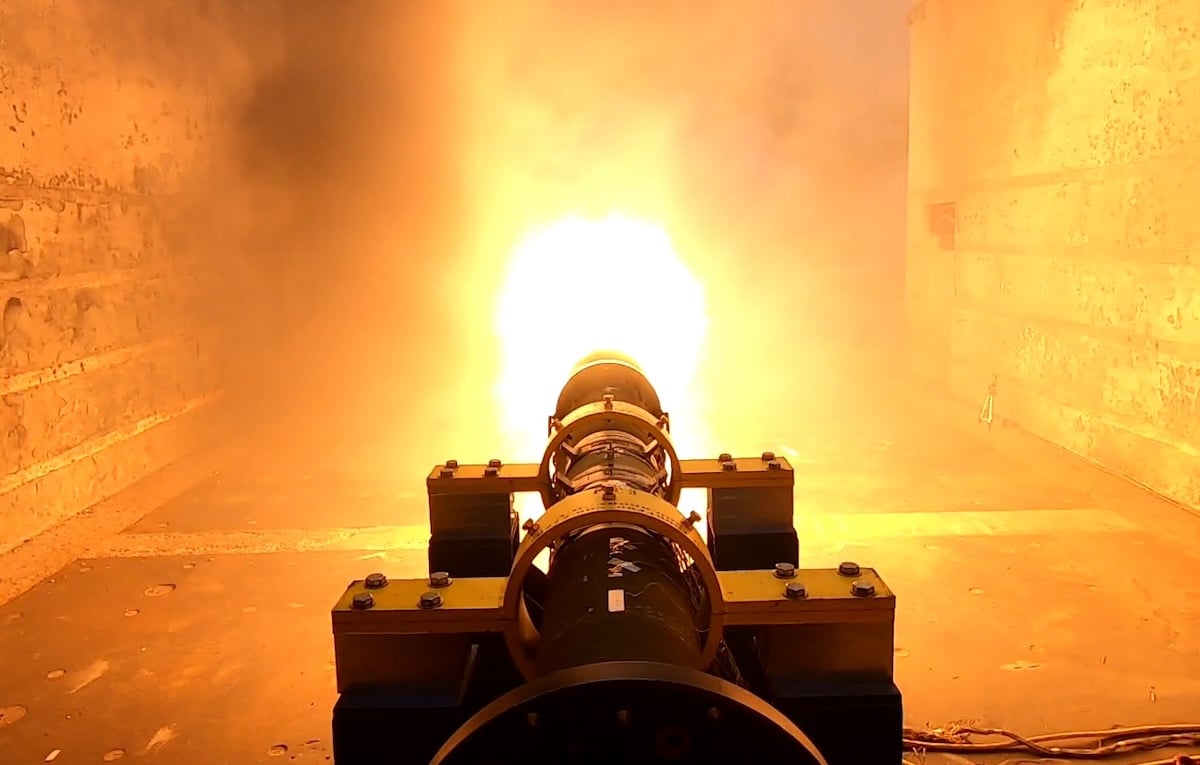
Northrop Grumman builds the interceptor’s dual-pulse solid rocket motor at its Allegany Ballistics Laboratory in Rocket Center, West Virginia. The motor extends the interceptor’s range and improves its maneuverability, the company said.
Northrop Grumman says it has nearly tripled solid rocket motor production capacity at the West Virginia site since 2021. Over the same period, capacity doubled at its Utah facilities and rose 25% at its Elkton, Maryland, site.
“We’re answering the nation’s call with urgency and turning years of propulsion investment into expanded capacity for the warfighter,” said Ben Davies, corporate vice president and president of Northrop Grumman Defense Systems. “Since 2019, we’ve modernized our propulsion industrial base, committing more than $2 billion in munitions technologies and facilities — including over $1 billion in solid rocket motor production.”
The company said the order supports the Department of War’s Acquisition Transformation Strategy and will help it deliver motors faster. “This award translates that commitment into greater scale, so we can deliver more PAC-3 MSE interceptors to U.S. and allied forces faster,” Davies said.
Northrop Grumman says larger, longer-term orders help it plan production as it expands capacity at its own sites and across its supplier network. The company has delivered more than 1.3 million rocket motors worldwide and has seven decades of experience in propulsion.