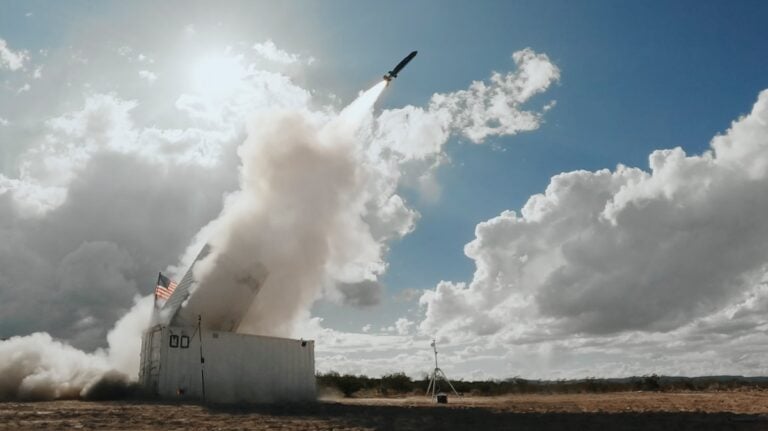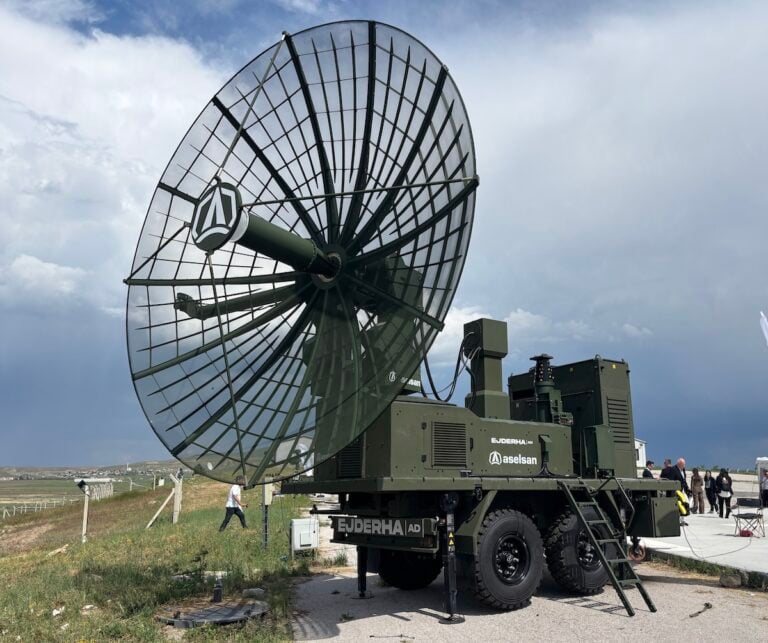
NATO announced the move on 17 November 2026 at its EDGE 26 conference in Izmir, Türkiye. The countries pledged funding on 29 October at a signing ceremony alongside a meeting of NATO’s national armaments directors.
The participating allies are Belgium, Canada, Finland, Germany, Italy, the Netherlands, Norway, Sweden, Türkiye and the United Kingdom. Military users will be able to book launch slots through a brokerage platform that draws on a network of spaceports in NATO countries and South Korea.
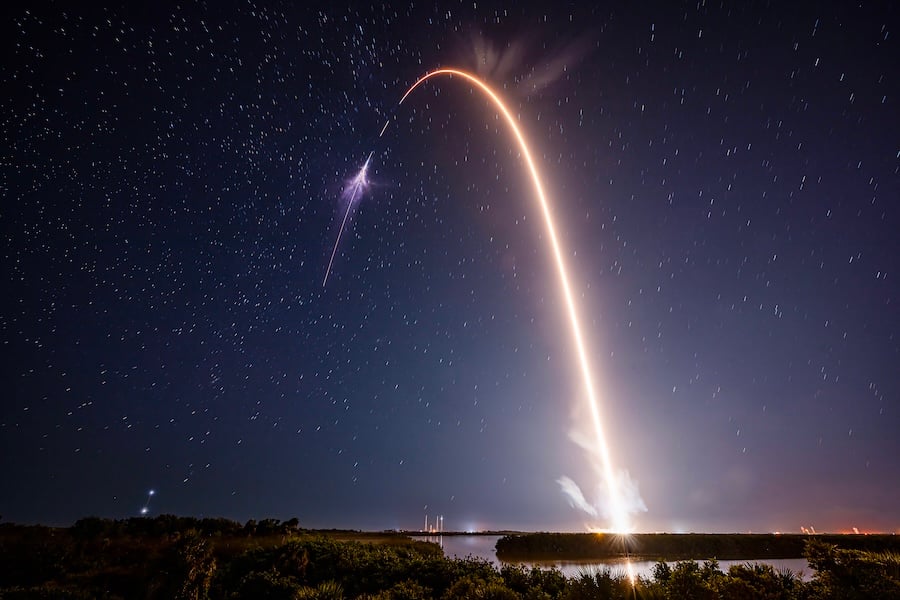
NATO says pooling launch requests will improve access to commercial services and support industry investment. The programme has been in development since 2024 and is intended to make access to space more reliable, easier to arrange at short notice and more cost-effective.
Participating countries will use STARLIFT to test ways to launch satellites urgently and share what they learn about launch infrastructure and logistics. They will also coordinate air and maritime traffic to help keep routine and short-notice launches safe.
NATO recognised space as an operational domain in 2019, and satellites support military communications, navigation, intelligence and early warning. The alliance says STARLIFT gives European allies and Canada more responsibility for shared security in space and strengthens transatlantic cooperation on deterrence and defence.