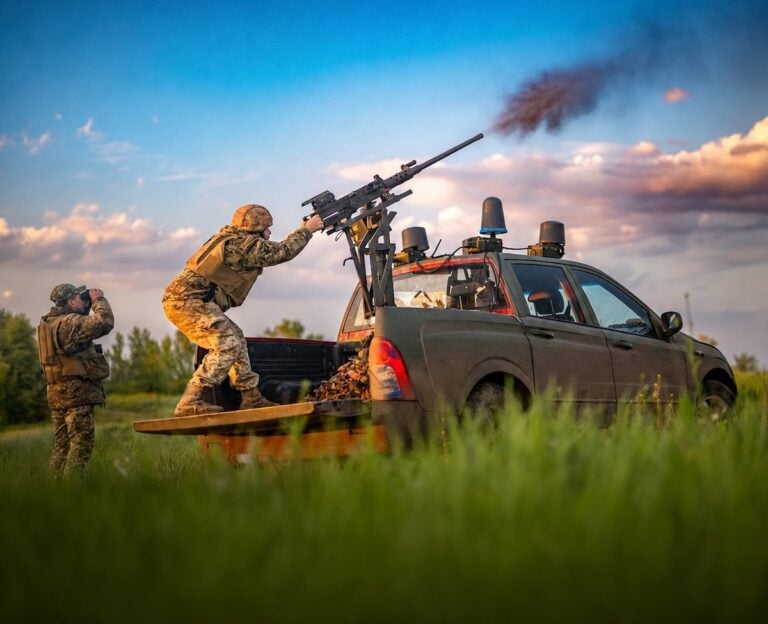

The pilot scheme allows companies to set up teams to protect staff, production sites and energy facilities that face regular drone attacks. The ministry says the scheme can expand air defence coverage quickly while limiting additional demands on military units and helping companies stay in operation.
The teams operate within the armed forces’ unified air defence system and answer to a Ukrainian Air Force command. Ukraine’s cabinet established the framework under Resolution No. 1506 of 19 November 2025.
Companies pay to set up and run the teams using their own funds and other legally permitted sources. Depending on the tasks assigned and the support agreed with the military, costs can include buying and maintaining equipment, training and certifying staff, and providing vehicles and communications equipment.
Team members work under employment contracts, and authorised companies can use their own funds to supplement their pay. Authorised public-sector companies and companies that manage state-owned critical infrastructure must include those payments in their financial plans or obtain approval from the relevant state property management body.
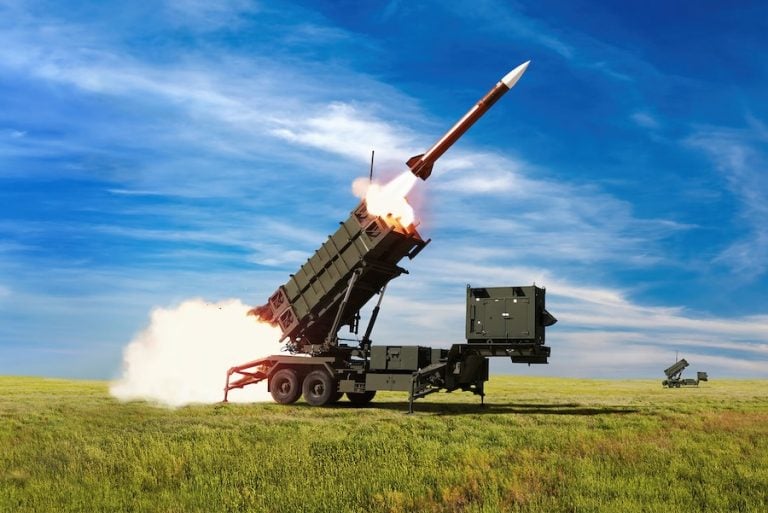
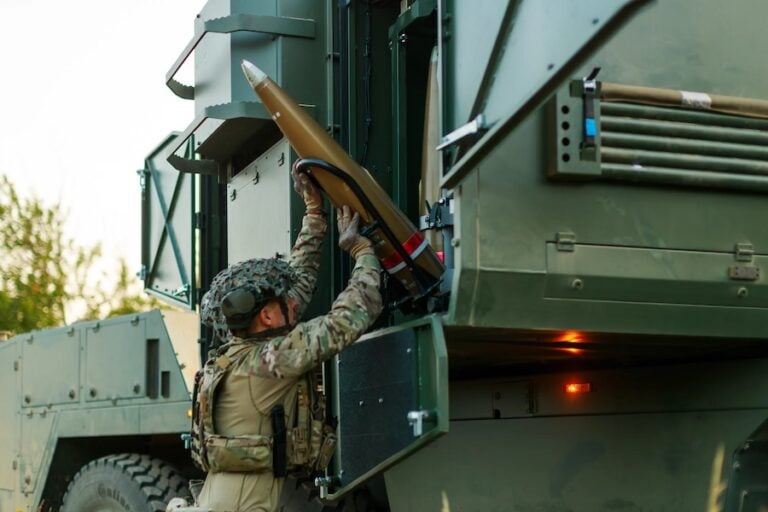
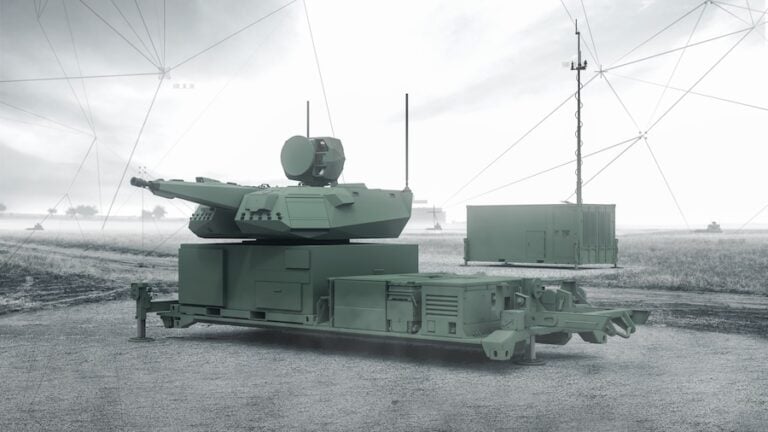
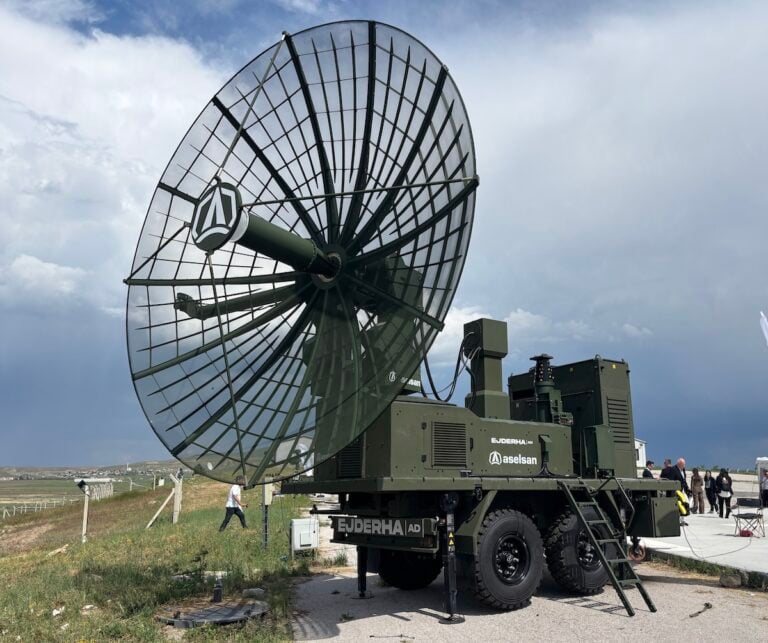
Companies can buy air defence equipment from military units, drawing on a list set by the relevant air command in a joint decision. The list can include uncrewed aerial systems, surface-to-air missile systems, anti-aircraft artillery, small arms, ammunition, radar and electronic warfare equipment.
Air Force Command can also authorise military units to transfer equipment temporarily for assigned air defence duties. The unit records the handover and supplies ammunition in the quantities set out in the joint decision.
Military units replenish ammunition stocks based on documented use during air defence missions. The joint decision also governs how teams store, use, record, maintain and return transferred equipment.