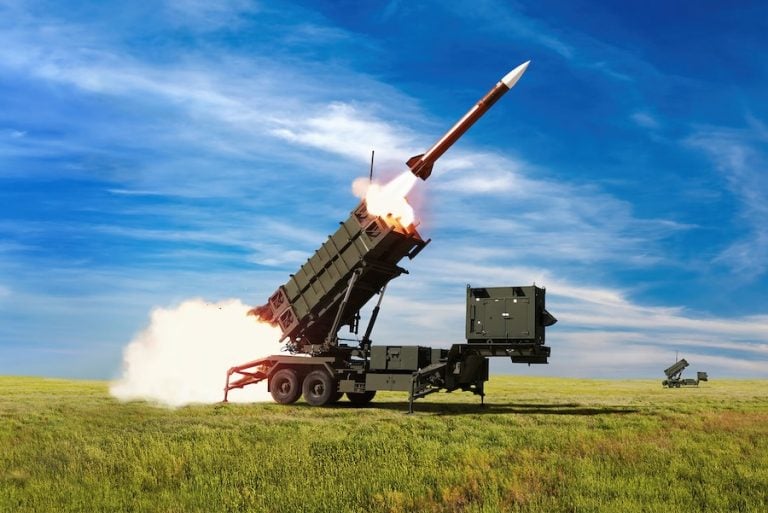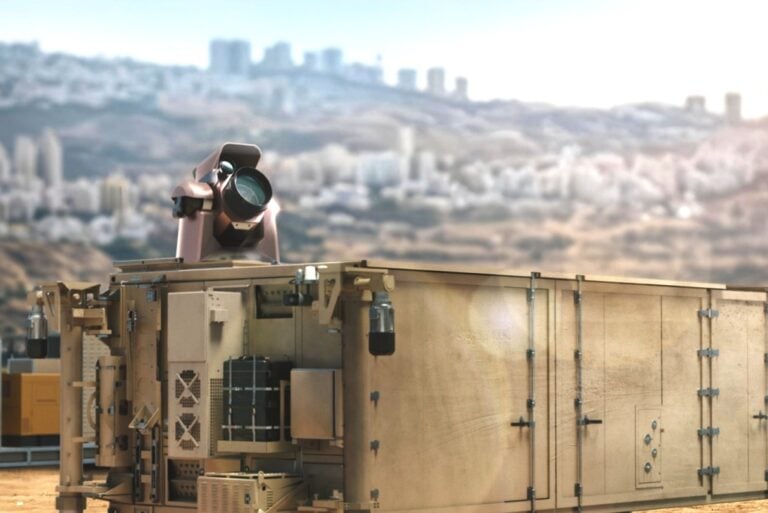

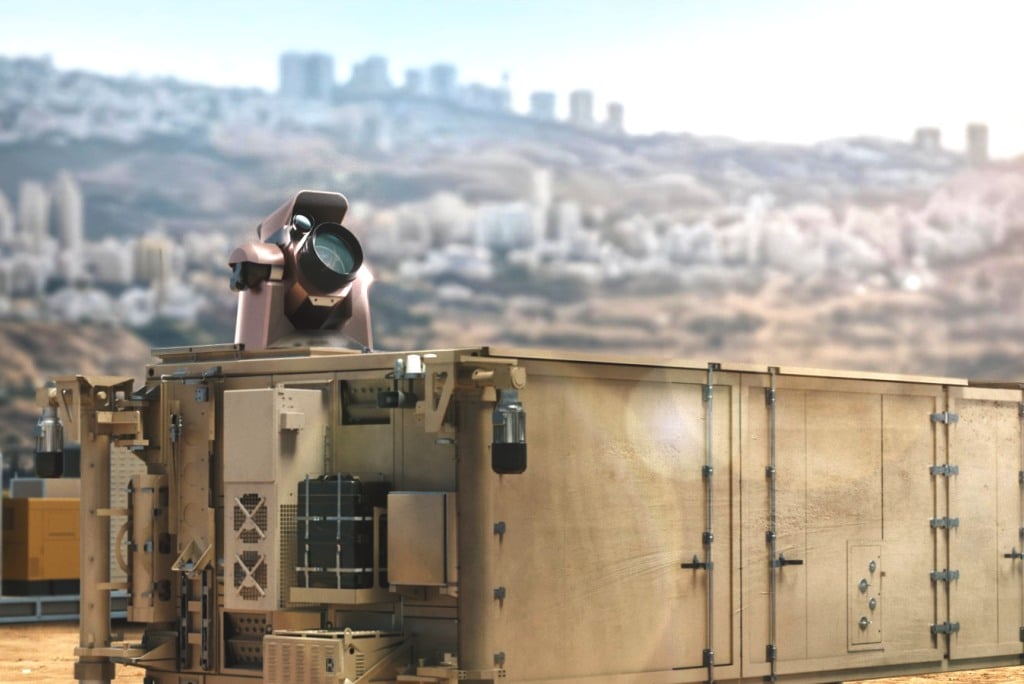
Personnel from both countries who would use the equipment helped assess the systems in scenarios simulating threats they face in the field. Israel’s Ground Forces and Air Force took part, as did defense companies from both countries.
The ministry’s Directorate of Defense Research and Development led the trials with several U.S. organizations, including U.S. Central Command and Special Operations Command Central. The Capabilities Development and Innovation office, the Office of Naval Research and Joint Interagency Task Force 401 also participated.
“Countering UAV threats requires continuous technological innovation, alongside close cooperation with our partners,” said Brigadier General Daniel Gold, a reserve officer who heads the ministry’s defense research directorate. “Holding Black Sands in Israel and working with U.S. defense and development organizations allow us to connect the knowledge and operational experience accumulated in Israel with additional capabilities and technologies, and to jointly evaluate the solutions required by forces in the field.”
The Israeli directorate and the U.S. Capabilities Development and Innovation office have worked together for years on military technology, including ways to intercept drones. The ministry said hosting Black Sands was part of a wider effort to expand defense cooperation with the United States and other countries.
Brigadier General Benny Aminov, who leads the directorate’s research and development unit, said civilian drone technology was widely available and the threat was changing quickly. “The joint series of trials with our partners in the United States marks a major milestone in both nations’ force development efforts, drawing on operational experience and mutual technological learning,” he said.