
The Gateway Agreement starts on 1 December 2026, a day after the existing Future Maritime Support Programme contract extension expires. It can run for up to 15 years in total, and a separate memorandum of understanding sets out the basis for a longer-term relationship between Babcock and the ministry.
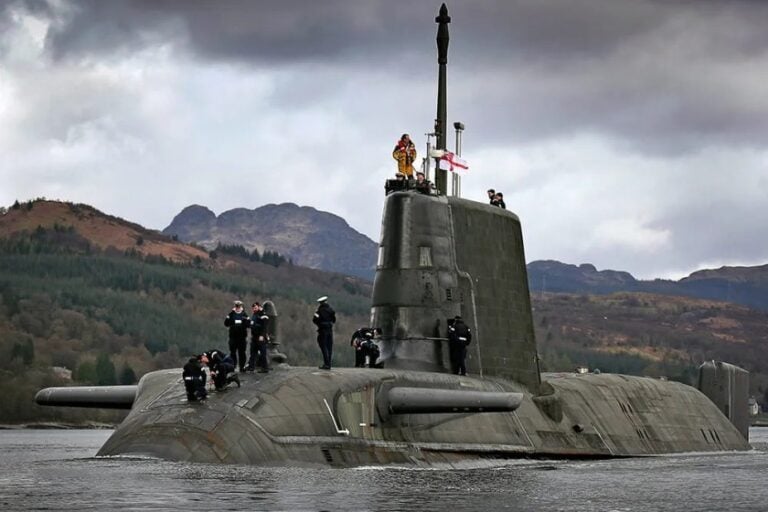
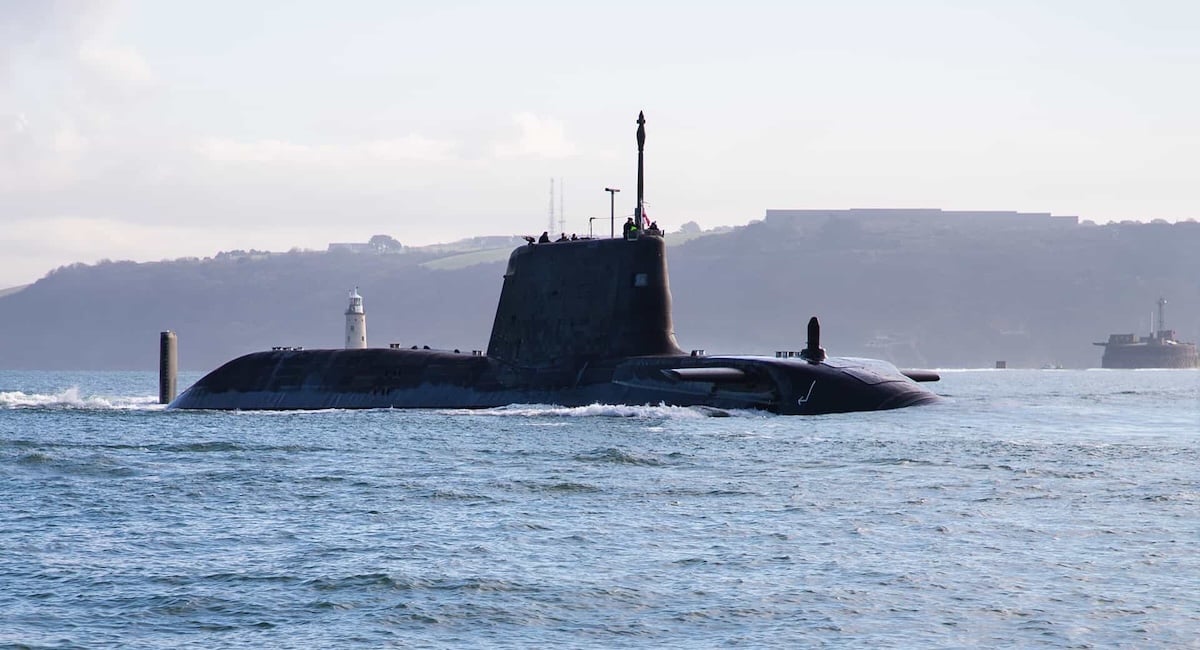
The agreement puts submarine maintenance, engineering, technical support and base services under one framework at HMNB Devonport, Devonport Dockyard and HMNB Clyde. It gives Babcock incentives to complete work sooner so the Navy has more submarines available for nuclear deterrent patrols and other operations, including those linked to NATO and AUKUS commitments.
The deal supports the transition from Vanguard-class to Dreadnought-class submarines and also covers surface fleet facilities, sea training and future autonomous capabilities. The ministry said it was the second multibillion-pound submarine-related agreement since it published the Defence Investment Plan.
Defence Secretary Wes Streeting said the government would give the nuclear deterrent priority even if that meant moving funding from other departments. “The deterrent is only as strong as our ability to keep it at sea,” he said.
First Sea Lord and Chief of Naval Staff General Sir Gwyn Jenkins said, “Our submarines both deliver the nuclear deterrent and protect it. They form the bedrock of UK national security, but their ability to do their job at sea is dependent on us to maintain them.”
The ministry expects about £2.4 billion of the five-year contract to go to UK suppliers, including around £1 billion for small and medium-sized businesses. The agreement supports 8,500 existing jobs and is expected to create about 3,000 skilled posts, mainly in Plymouth, Clyde and Bristol.
The ministry expects around 2,500 apprenticeship and graduate opportunities, including for young people outside education, employment or training. Babcock estimates the deal will generate more than £500 million in social value across the UK over five years.
Prime Minister Andy Burnham said, “With this new agreement we’re not just investing in our national security, we’re also making a huge investment in our people. We’re providing opportunities to get young people into work, to bring jobs to communities in Plymouth, Clyde and beyond, and to boost growth across the UK.”
The government is separately spending £26 billion over 10 years under Project Royal Oak to modernise infrastructure and accommodation at Devonport, Clyde and Portsmouth. At Clyde, British industry is due to provide new facilities for submarine maintenance out of the water by the 2030s under Programme Euston.
Babcock has also invested in two Scottish Defence Technical Excellence Colleges, the Submarine Operations Centre and the Babcock Skills Centre at Devonport. Its investments in facilities and training sit alongside government programmes such as the Clyde Transformation Plan.
Babcock chief executive Harry Holt said, “We are very proud at Babcock of the critical support that we provide to the Royal Navy, in particular our unwavering support to the Continuous At Sea Deterrent – the UK’s highest defence priority. The Gateway Agreement will enable us, in collaboration with MoD, to continue our support for the deterrent, increase submarine availability and develop the skills, infrastructure and capability to support the Royal Navy’s submarine force for the years ahead.”
The Defence Nuclear Enterprise and its industry partners operate and sustain the deterrent. Maddy McTernan, the ministry’s chief of defence nuclear, said, “The MOD’s new agreement with Babcock is the latest step in the Defence Nuclear Enterprise’s drive to partner more effectively with our industry partners so we can together improve delivery against our critical mission, to keep safe and capable Royal Navy submarines at sea.”
The Defence Nuclear Enterprise supports more than 6,000 UK companies and around 47,000 jobs, according to the ministry. It expects workforce demand to reach about 65,000 by 2030.