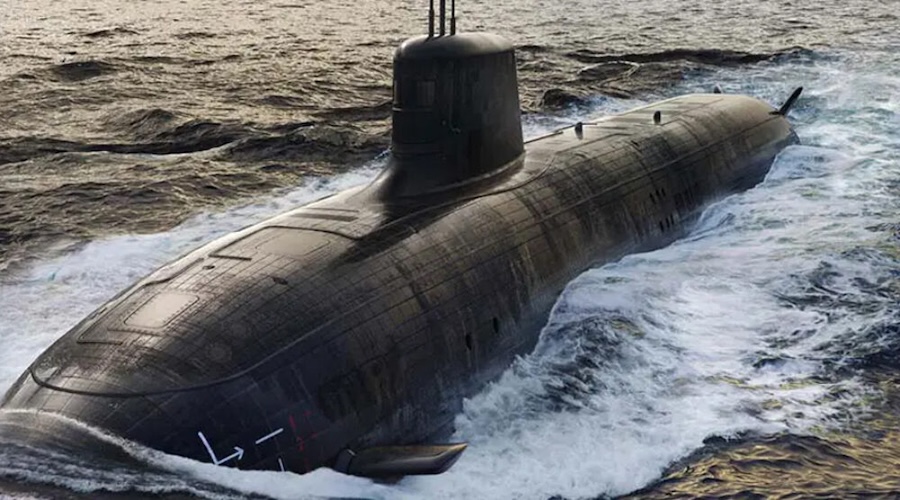
The investment marks a shift towards sustained nuclear-submarine production rather than capacity built around individual programmes. It would allow industry to construct SSN-AUKUS attack submarines in parallel with the Dreadnought ballistic-missile fleet.
BAE Systems will build Britain’s SSN-AUKUS boats at Barrow-in-Furness, with the first steel scheduled to be cut in 2027. The Royal Navy expects the first submarine to enter service in the late 2030s and replace the Astute class.
The programme is progressing through its Detailed Design and Long Lead phase, according to the *Defence Nuclear Enterprise 2026 Annual Update to Parliament*. Contracts worth about £4 billion have already been placed for design work and the industrial infrastructure required for production.
Britain has not yet decided how many SSN-AUKUS submarines it will order. The government expects to determine the size of the fleet before the design phase concludes in 2028.
Barrow is being expanded with digital-design systems, advanced manufacturing technology and additional workforce-training capacity. The concept design for SMITE2, a submarine propulsion testing facility, was completed in early 2026, while preparatory work continues at Ramsden Dock.
The town’s nuclear-submarine workforce has grown by more than 1,800 under the current government. A ten-year transformation plan is also under way, supported by a new university campus opened through a partnership involving BAE Systems and the University of Cumbria.
Rolls-Royce is expanding its Raynesway site near Derby to meet higher demand for naval nuclear reactors. Construction has started on the Primary Components and Operations Facility, alongside investment in prototyping infrastructure and site access.
Raynesway will manufacture the reactors for every SSN-AUKUS submarine, including boats built for Australia. Canberra is investing £2.4 billion over ten years to expand Rolls-Royce infrastructure and share the cost of designing the submarine.
The government is also funding specialist suppliers in propulsion, electrical switchgear and precision engineering. Those investments are intended to increase capacity and reduce supply-chain risks before production accelerates.
BAE Systems and Rolls-Royce will work with Babcock and the Ministry of Defence through a planned Submarine Production Alliance. The structure will connect submarine construction and reactor manufacturing with long-term maintenance and support at Devonport.