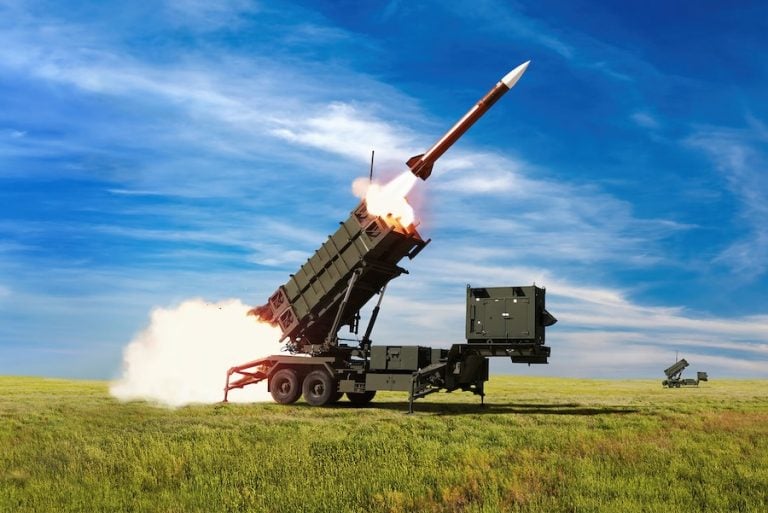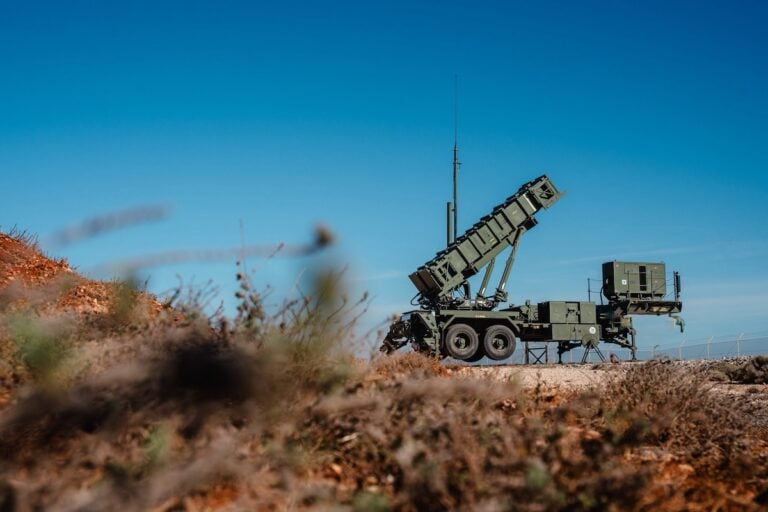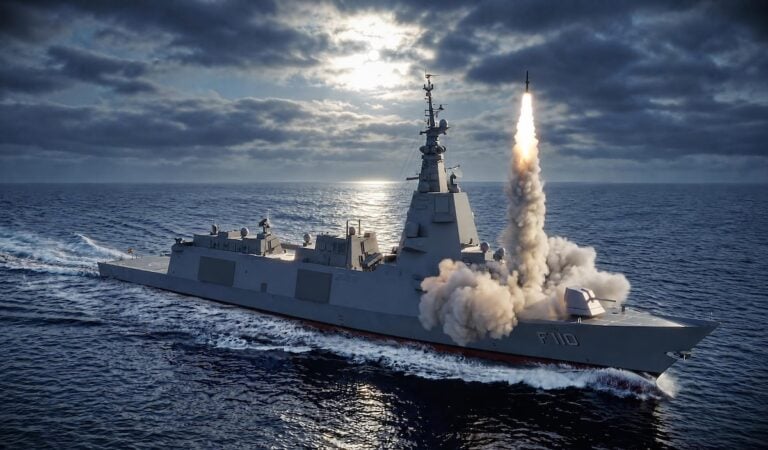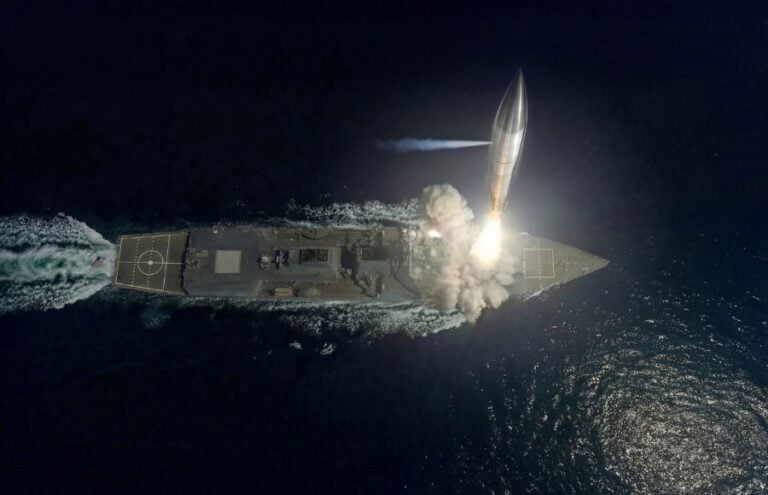

RTX Chief Executive Chris Calio told investors on October 20 that the company is looking to raise production rates to between two and four times current levels. Raytheon booked about $23 billion for Tomahawk and more than $14 billion for AMRAAM in the third quarter, while the SM-6 and SM-3 IB contracts signed in October will be recorded in the fourth quarter.
“Year-to-date, output across our critical munitions is up over 90% year-over-year, with material receipts at Raytheon up double-digits over the same period,” Calio said. RTX did not identify which weapons were included in that figure or say how much it intends to raise production of each of the four missiles.
Raytheon is ordering tooling and test equipment and working with the Pentagon to streamline testing, replace obsolete components and qualify additional suppliers. Calio singled out solid rocket motors as a supply constraint and said RTX was expanding partnerships with motor manufacturers to spread the work across more suppliers.
Chief Financial Officer Neil Mitchill said RTX expects to make capital and other investments under the contracts over the next two to three years, with revenue already starting to come in and contributions expected to rise in 2027. The contracts are structured to preserve upfront free cash flow, and Calio said they include protections against changes in budgets and order volumes.
Calio said he sees broad support in the United States for building larger munitions inventories and expanding integrated air and missile defense. He also expects defense budgets to rise in Europe, the Middle East and North Africa, and Asia-Pacific in 2027, pointing to significant spending by Germany, Poland and Japan.
Raytheon booked $9 billion in international orders in the third quarter, and overseas bookings for the first nine months reached 2.5 times their year-earlier level. International business made up 37% of Raytheon’s $130 billion backlog, a share that rises to 52% when the new Tomahawk and AMRAAM contracts are excluded, Mitchill said.
Calio said RTX works with local companies and suppliers across those markets to support production of Patriot, GEM-T, Standard Missile and Coyote, among other systems. More than 130 suppliers support RTX’s production work in Europe, he said.
Higher volumes in naval, land and air defense programs, including Patriot, Standard Missile and Tomahawk, helped lift Raytheon’s third-quarter sales 14% to $8 billion. The business booked $52.3 billion in orders during the quarter, including $1.8 billion for SPY-6 radar production, said Nathan Ware, RTX’s vice president of investor relations.
Raytheon is also developing a weapon that uses the rocket motor and steering controls from one production program and the seeker from another. Calio said the approach was intended to meet a specific mission requirement faster and at lower cost, but did not identify the weapon or its mission.
“Raytheon has sensors deployed in the field that are using AI to identify objects and classify threats,” Calio said. He did not identify the sensors.