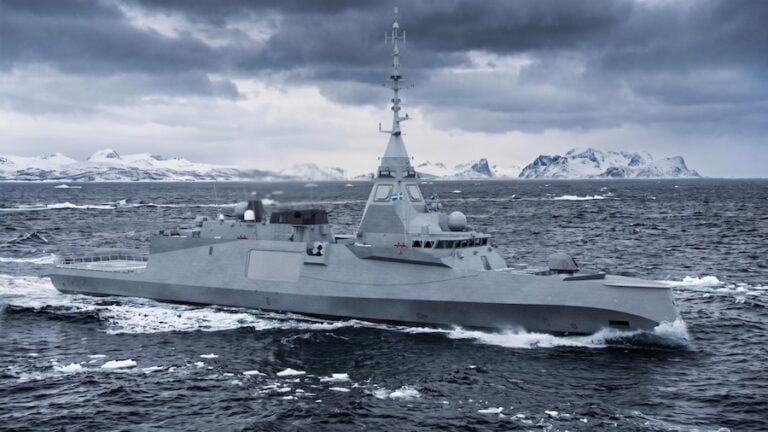
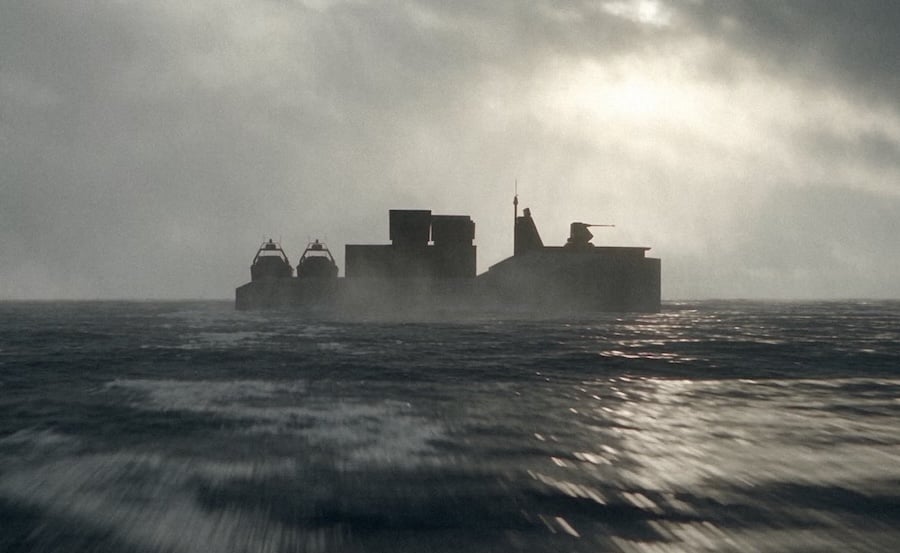
The design makes provision for anti-ship missiles, a 30 mm gun and long-range radar to track threats in the air and at sea. STARK says the vessel will be able to carry up to 50 tonnes of payload and reach speeds of more than 35 knots, allowing it to operate ahead of a carrier group.
The Vanta 24 is designed to spend weeks at sea and handle the Baltic’s freezing temperatures, ice and short, steep waves. It is also intended to operate in the North Sea, North Atlantic and High North, where STARK says it could take on some of the patrol work now done by crewed frigates.
NATO launched its Baltic Sentry mission in 2025 after a series of suspected attacks on undersea cables. STARK says the vessel could guard cables and pipelines or follow suspect tankers through the Baltic, the English Channel and the North Sea.
“British and European sovereign territory is being tested every day, from shadow fleet tankers in the English Channel to suspicious activity around the cables we all rely on,” said Johannes Schaback, STARK’s chief technology officer. “Navies cannot meet that with crewed warships alone.”
The Vanta 24 is the third and largest design in a range that began with a six-metre patrol boat. STARK says a single operator can control all three types at once using its Minerva software, which connects to existing naval command systems.